

Worldwide Customs Data Analytics: Unlocking Hidden Trade Opportunities
2026-07-21
Every shipment tells a story—if you know how to read the data. In the fast‑moving world of global trade, customs records hold the key to untapped markets, competitor moves, and supply chain blind spots. Yet most businesses barely scratch the surface. With Tendata's customs data analytics, you’re not just tracking numbers; you’re uncovering hidden opportunities long before your rivals even notice the pattern. Ready to turn raw trade flows into your next strategic advantage?
Spotlight on Under-the-Radar Markets
While most portfolios gravitate toward headline indices and well-known financial hubs, a quiet transformation is unfolding in places rarely mentioned in daily market reports. Countries once dismissed as too small, too volatile, or too opaque are building infrastructure, legal frameworks, and specialized industries that deserve a closer look. These aren't emerging markets in the traditional sense—they are niche ecosystems where global supply chain shifts, demographic dividends, and resource endowments converge in unexpected ways. Ignoring them doesn't just mean missing out on growth; it means overlooking the very forces rewiring global trade and capital flows.
Take Uzbekistan, for example. Long isolated, it has undertaken ambitious reforms to attract foreign investment, particularly in textiles, agriculture, and mining. Its proximity to both China and Europe positions it as a quiet beneficiary of re-routed logistics corridors. Or consider the evolution of Rwanda’s tech scene, which has turned Kigali into a credible hub for drone delivery, fintech, and regional conferences that draw serious venture attention. Even in Latin America, provinces like Argentina’s Salta are gaining traction not for lithium alone, but for an unlikely cluster of software outsourcing and sustainable farming projects. What ties these places together isn’t a catchy acronym—it’s a pattern of politically pragmatic reforms and hyper-focused sector development that big funds often overlook.
Engaging with these markets demands a different playbook. Liquidity is thinner, data is patchier, and local partnerships aren’t optional—they’re the entry ticket. But for those willing to move beyond screen-level analysis, the reward lies in asymmetric opportunities where value isn’t fully priced in because the crowd hasn’t arrived yet. The real risk might be assuming that today’s neglected corners won’t matter tomorrow.
Competitor Trade Routes Decoded
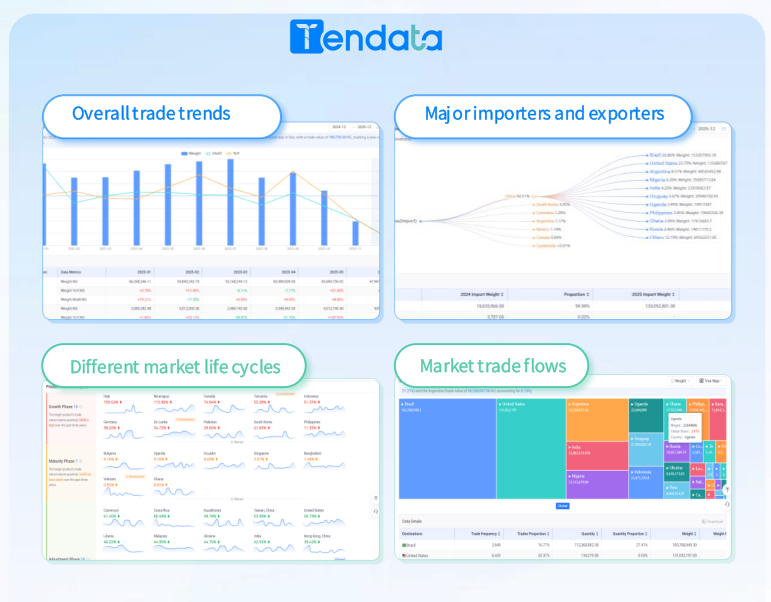
Mapping out how your rivals move goods from A to B isn't just about logistics—it's about uncovering hidden cost advantages, preferred port relationships, and carrier loyalties that shape pricing. When you decode these patterns, you start seeing why a competitor can undercut you on specific lanes while staying quiet in others. It's rarely random; it's often a web of negotiated contracts, back-haul optimizations, and strategic warehousing you can reverse-engineer.
You pull apart their route choices by tracking vessel movements, analyzing customs declarations, and cross-referencing freight rate benchmarks. Suddenly, the detour they take through a secondary port makes sense—it shaves days off transit times for a key client cluster. Or their reliance on a niche carrier reveals a partnership built on shared container capacity, giving them leverage in peak season. The real insight is rarely the route itself; it's the bargaining power that route reveals.
What looks like a simple supply chain decision is usually a deliberate market play. One competitor uses a slower, cheaper route to absorb margin hits on price-sensitive products, while reserving express services for high-value accounts. Another rotates stock through a free trade zone to defer duties, quietly managing cash flow better than anyone else in the market. Decoding these moves gives you more than a competitive map—it hands you a script for your own strategic plays, letting you pressure their weak links or borrow what works without guessing.
Supply Chain Vulnerabilities Exposed
Global supply chains, once celebrated for their efficiency and cost-effectiveness, have revealed deep-seated fragilities that were previously overlooked. The intricate web of dependencies on single-source suppliers, especially in critical sectors like semiconductor manufacturing and pharmaceutical ingredients, has proven to be a double-edged sword. A minor disruption at a single node—whether due to a natural disaster, labor strike, or geopolitical tension—can set off a chain reaction that halts production lines thousands of miles away. These vulnerabilities are not just operational hiccups; they strike at the heart of economic stability and national security, forcing a harsh reconsideration of just-in-time inventory models and the pursuit of relentless lean operations.
The ripple effects of these exposed weaknesses extend far beyond corporate balance sheets, touching everyday lives in tangible ways. From empty store shelves to delayed delivery of life-saving medical devices, the consequences are immediate and personal. Companies that once prided themselves on strategic sourcing are now scrambling to map their supply networks beyond tier-one suppliers, only to discover a labyrinth of hidden interdependencies. The lack of transparency has turned supply chain risk management into a guessing game, where the next disruption is not a matter of if, but when. This reality has pushed resilience from a boardroom buzzword to a frontline necessity, demanding a fundamental shift in how value chains are structured and governed.
In response, a quiet revolution is underway, moving away from the singular focus on cost optimization toward a more balanced equation that weighs reliability and adaptability equally. Businesses are experimenting with regionalized production hubs, multi-sourcing strategies, and digital twins that simulate disruption scenarios in real time. Yet, this transition is fraught with its own challenges—higher operational costs, complex coordination, and the inertia of legacy systems. The exposed vulnerabilities serve as a stark reminder that efficiency without robustness is a fragile construct, and that the path forward requires not just technological upgrades but a rewiring of the strategic mindset that has dominated global trade for decades.
Actionable Leads from Raw Shipment Records
Shipment records often sit untouched in databases, but a closer look reveals immediate opportunities. Frequent late deliveries from a specific carrier signal the need for a backup logistics partner, while sudden spikes in demand from a lesser-known region suggest an untapped market worth exploring with targeted marketing.
Digging into shipment volumes can also highlight consolidation possibilities. Combining partial loads into full truckloads reduces per-unit costs and carbon footprint, turning a routine audit into a cost-saving move. Meanwhile, tracking reasons for returns uncovers product quality or packaging flaws that, once fixed, directly increase customer retention.
Beyond the numbers, shipment patterns tell a story about customer habits. A client who orders sporadically but in bulk might benefit from a subscription model, locking in revenue and smoothing your fulfillment flow. These insights are hidden in plain sight, waiting for someone to connect the dots and turn raw data into a competitive edge.
Anticipating Tariff and Policy Shifts
The steady drumbeat of tariff adjustments and regulatory pivots has become a defining feature of the current global trade landscape. Companies are no longer just monitoring announcements from Washington or Brussels—they’re actively stress-testing supply chains against multiple scenarios, from sudden border levies to resurgent industrial subsidies. The days when a quarterly review of trade compliance sufficed are over; now, procurement teams sit alongside lobbyists and data analysts to map out what a 10% versus a 25% tariff might do to margins, and whether a shift in rules of origin could rewrite entire sourcing strategies overnight.
This heightened need for anticipation is changing the way organizations structure themselves. Instead of leaving policy tracking to a siloed government affairs department, smart players embed trade scenario planning into C-suite decision-making, weekly operational stand-ups, and even product design sprints. They’re using machine learning to parse legislative texts and political speeches for early signals, while also building the kind of supplier ecosystems that can pivot between countries in a matter of months. The goal isn’t just to react faster—it’s to develop an instinct for where the puck is headed, turning potential disruptions into opportunities for negotiation leverage or market repositioning.
Ultimately, anticipating tariff and policy shifts isn’t about predicting the unpredictable; it’s about building resilience into the DNA of the firm. That means diversifying supply bases ahead of need, stocking strategic inventories where the cost-benefit math checks out, and forging relationships with customs authorities and trade bodies that last longer than any single administration. It’s a long game where the winners are those who treat trade agility as a competitive moat, not a cost center. In a world where a tweet or a late-night decree can redraw the map, the ability to read the tea leaves—and act on them before the ink dries—is what separates market leaders from the rest.
Global Demand Signals Hiding in Plain Sight
Sometimes the most telling indicators of global demand aren’t buried in complex models—they’re tucked into the mundane details we overlook every day. A sudden drop in airfreight out of Shenzhen, a quiet buildup of inventory at suburban warehouses, or even a shift in the tone of quarterly supplier calls can speak volumes before official statistics catch up. These aren’t anomalies; they’re whispers from the physical world that hold the shape of things to come.
Shipping lane activity offers another overlooked lens. When the spot rate for a 40-foot container from Shanghai to Rotterdam holds steady while fuel costs climb, it often means carriers are absorbing pressure to keep volumes moving—a signal that demand downstream is more robust than headlines suggest. Likewise, a spike in temporary employment notices at logistics hubs, buried in local classifieds, can foreshadow a supply chain scrambling to meet unanticipated orders. These clues rarely make the evening news, but they form a mosaic that sharp-eyed businesses use to adjust sourcing and capacity months ahead of traditional forecasts.
Consumer behavior leaves similar trails. A surge in credit card chargebacks for certain product categories can indicate not just dissatisfaction, but a mismatch between rushed production and real-world usability—pointing to demand that was misread rather than missing. Meanwhile, community forums and repair-market chatter often reveal which international brands are gaining quiet traction in regions without formal distribution deals. By the time sales data validates these signals, the window to act has usually narrowed. Paying attention to the everyday friction and flow of commerce, rather than polished reports, can uncover demand patterns hiding right before our eyes.
FAQ
It's the process of examining shipment records, tariff codes, and trade declarations from customs authorities around the globe to uncover patterns. Rather than just tracking imports and exports at face value, it digs into product-level details, origin-destination routes, and volume fluctuations to spot underserved markets or emerging demand that wouldn't show up in typical industry reports.
By matching granular shipment data with economic indicators, you can detect early signals—like a sharp uptick in a specific component heading to a country that doesn't yet have a final assembly presence. Traditional methods might miss that because they rely on aggregated market surveys or lagging indicators. Customs data gives you the actual, real-time flow of goods, so you see what buyers are already sourcing before anyone talks about it.
The core dataset comes from official customs filings—bills of lading, invoices, and customs declarations—often accessed through government portals, commercial providers, or trade data companies. Techniques range from basic trend analysis and geographic clustering to more advanced approaches like network analysis of supply chains and anomaly detection to flag sudden shifts in trade routes or unexpected supplier concentrations.
A mid-sized machinery parts company noticed a steady rise in European imports of a specific bearing type to Vietnam over six months, even though local newspapers only covered electronics investments. By tracing the importers, they realized a new wave of textile machinery plants was being quietly set up. They adjusted their sales pitch and became a supplier before competitors even caught wind of the project.
Data quality is a big one—inconsistent HS code classification, timing lags in some countries, and incomplete shipment descriptions can mislead analysis. There's also the sheer volume: global trade data is massive, so cleaning and normalizing it into a usable form requires both domain know-how and technology. Plus, interpreting the numbers without local market context can lead to false positives if you're not careful.
Smaller companies can absolutely benefit, especially because they're often more agile. The barrier used to be the cost of data subscriptions or analyst teams, but now there are more accessible platforms and even consultancy services that package insights affordably. A niche food exporter, for instance, can spot exactly which cities are importing a specific organic ingredient and approach distributors directly, without needing a massive research budget.
Traditional research often relies on what people say they'll do—surveys, expert panels, projected demand curves. Customs data shows what they actually did, in hard numbers. It's behavioral rather than declarative, and it covers every transaction crossing a border, not just a sample. That makes it messier but also far more revealing for finding on-the-ground trends that interviews might completely miss.
We're heading toward much more real-time analysis as digital customs systems roll out, combined with AI that can automatically link shipment data to corporate registries and satellite logistics tracking. That means companies will be able to simulate supply chain reshuffles or tariff impacts almost instantly, and even predict competitor moves by watching their procurement patterns evolve across borders.
Conclusion
In the fast-paced arena of international trade, the ability to see beyond surface-level data determines who captures value and who merely survives. Worldwide customs data analytics tears down the curtain on overlooked markets where demand is quietly surging, often in regions dismissed by conventional market research. By shining a spotlight on these under‑the‑radar economies, companies can position themselves before rivals even register the opportunity. Patterns buried within shipping manifests reveal not just who is importing what, but also the evolving trade routes competitors are exploiting. This decoded intelligence exposes their sourcing shifts, preferred ports, and even their negotiation leverage—turning a rival’s logistics footprint into a strategic roadmap. Equally critical is the lens these analytics place on your own supply chain: a single delayed shipment or an overconcentration of suppliers in one geography can be a hidden threat. Customs records transform this opacity into clarity, flagging vulnerabilities long before they escalate into costly disruptions.
Beyond risk mitigation, the same raw shipment records are a goldmine of actionable leads, pinpointing active buyers and suppliers with transaction-level detail that no B2B platform can replicate. But the true power emerges when this data is layered with forward‑looking insights. Anticipating tariff swings and policy realignments becomes a matter of analyzing historical trade flows against impending regulatory changes—allowing sourcing pivots that preserve margins while competitors scramble. Meanwhile, global demand signals often hide in plain sight within these datasets: a sudden spike in a particular commodity heading to a specific region, or a consistent year‑over‑year increase in niche product imports. Customs analytics distills these signals into a real‑time demand map, empowering businesses to enter markets with confidence and tailor offerings to latent needs before they become obvious. The global trade arena no longer rewards guesswork; it rewards the decisive leverage of insight mined from the world’s most underestimated intelligence source.
Contact Us
Contact Person: Grace
Email: [email protected]
Tel/WhatsApp: +86 18721992033
Website: https://www.tendata.com