

Unlocking Global Trade Insights: Bill of Lading Database Analytics for Worldwide Logistics Optimization
2026-04-02
In today's fast-paced global trade landscape, the ability to extract actionable insights from shipping documents like the bill of lading is no longer a luxury—it’s a necessity. Yet, many logistics professionals are drowning in data without a clear path to optimization. This is where Tendata steps in, offering cutting-edge database analytics that transform raw shipping information into strategic advantages. In this blog post, we’ll explore how leveraging bill of lading data can uncover hidden trends, streamline operations, and propel your logistics strategy to new heights. Whether you’re navigating supply chain disruptions or seeking to enhance efficiency, the insights ahead promise to reshape your approach to global trade.
Understanding the Bill of Lading's Role in Global Trade
When it comes to moving goods across borders, the bill of lading stands as a linchpin in the logistics chain, serving as both a receipt and a contract. This document is issued by a carrier to a shipper, acknowledging that specified cargo has been received for transport. Without it, international trade would grind to a halt, as it provides the legal framework needed to transfer ownership and manage risks during transit.
Beyond its basic functions, the bill of lading plays a crucial role in financing and insurance. Banks often require it as collateral for letters of credit, ensuring that payment is tied to the shipment's progress. Meanwhile, insurers rely on its details to assess coverage for potential losses, from damage at sea to customs delays, making it indispensable for safeguarding financial interests in volatile markets.
In today's digital age, the evolution of electronic bills of lading is reshaping global trade by speeding up processes and reducing paperwork. However, traditional paper versions remain vital in regions with limited tech infrastructure. This duality highlights how the document adapts to diverse trade realities, cementing its status not just as a formal requirement, but as a dynamic tool that bridges logistical gaps and fosters trust among parties worldwide.
Leveraging Data Analytics for Enhanced Logistics Efficiency
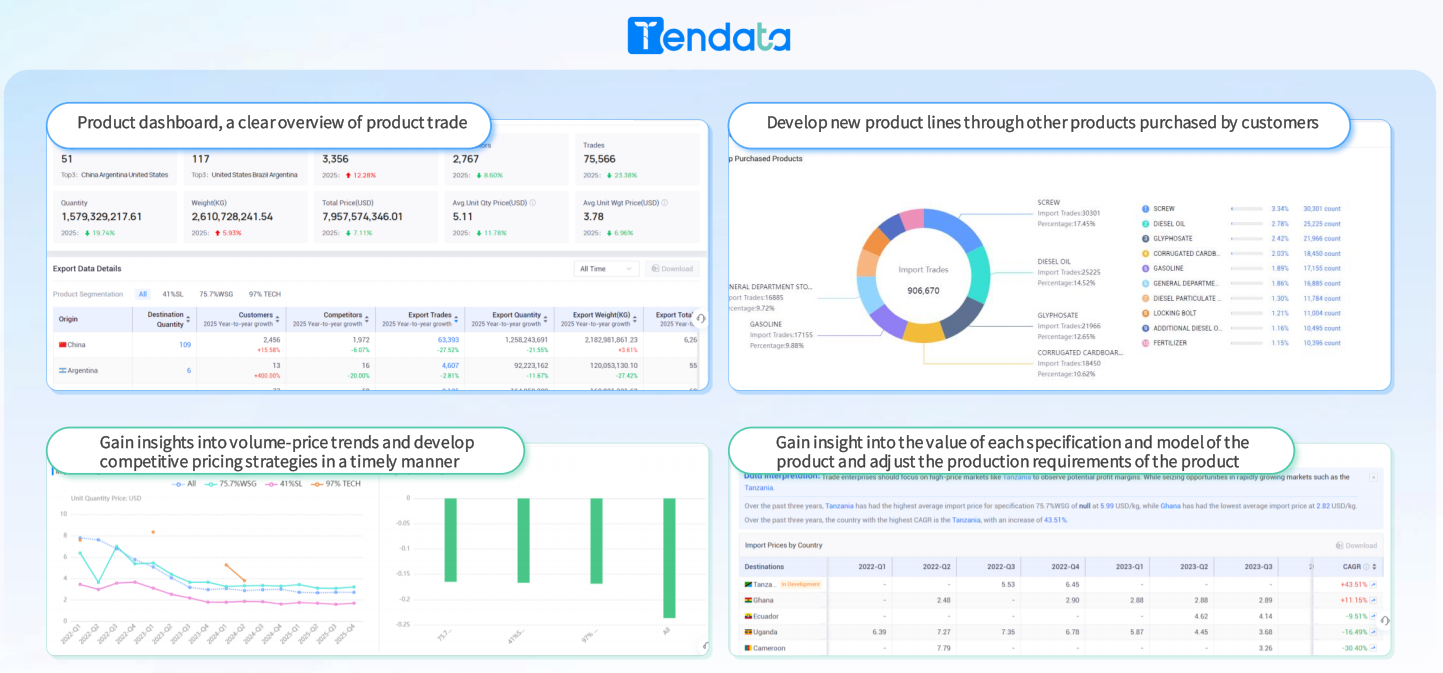
In today's fast-paced supply chain environment, leveraging data analytics has become a game-changer for logistics operations. By tapping into vast datasets from GPS trackers, warehouse sensors, and shipment records, companies can uncover hidden inefficiencies and predict demand spikes with precision. This isn't just about crunching numbers; it's about transforming raw information into actionable insights that streamline routes, reduce fuel costs, and slash delivery times. For instance, real-time analytics enable dynamic rerouting around traffic jams, ensuring packages arrive on schedule while cutting down on unnecessary miles.
Beyond route optimization, data analytics dives deep into inventory management, helping firms balance stock levels to avoid both overstocking and shortages. Advanced predictive models analyze historical sales patterns, seasonal trends, and even weather forecasts to forecast needs accurately. This proactive approach minimizes costly storage fees and prevents lost sales opportunities. Moreover, integrating analytics across the supply chain fosters better collaboration with suppliers and carriers, leading to smoother handoffs and fewer disruptions—turning logistical challenges into competitive advantages.
The real magic happens when analytics are paired with AI-driven tools, learning from every shipment to continuously refine processes. From monitoring driver performance to assessing packaging durability, every data point contributes to a leaner, more responsive logistics framework. By embracing this data-centric mindset, businesses not only boost efficiency but also enhance customer satisfaction through reliable, transparent delivery experiences. It's a shift from reactive problem-solving to a forward-thinking strategy that keeps operations agile in an unpredictable market.
Identifying Market Trends Through Shipping Documentation
When you think about tracking market movements, shipping documents might not be the first thing that comes to mind. Yet, these records—bills of lading, customs declarations, and freight invoices—hold a treasure trove of insights. They reveal real-time flows of goods, from raw materials to finished products, across global trade routes. By analyzing patterns in shipment volumes, destinations, and frequencies, businesses can spot emerging demand in specific regions or shifts in supply chain dynamics. It's like having a pulse on the economy's heartbeat, directly from the ground up.
Diving deeper, shipping documentation uncovers nuanced trends that broader economic indicators might miss. For instance, a sudden spike in exports of tech components to Southeast Asia could signal a local manufacturing boom, while a decline in luxury goods shipments might hint at changing consumer spending habits. Companies can cross-reference this data with factors like seasonality or geopolitical events to anticipate market swings. This approach moves beyond guesswork, offering a data-driven lens to forecast opportunities or risks before they hit the headlines.
Ultimately, leveraging shipping data transforms how organizations adapt to market conditions. It enables proactive strategies, such as adjusting inventory levels or exploring new trade partnerships based on observed cargo movements. In a fast-paced world, this method provides a competitive edge, turning logistical paperwork into a strategic asset for staying ahead of the curve.
Optimizing Supply Chains with Real-Time Cargo Insights
In today's fast-paced global economy, businesses are constantly seeking ways to enhance their supply chain efficiency and resilience. Real-time cargo insights have emerged as a powerful tool in this pursuit, offering unprecedented visibility into shipments across every stage of the logistics journey. By leveraging technologies such as IoT sensors, GPS tracking, and advanced data analytics, companies can now monitor cargo conditions, location, and status updates instantaneously. This allows for proactive management—whether it's rerouting shipments around delays, adjusting inventory levels based on live demand signals, or ensuring compliance with temperature-sensitive goods. The result is a more agile and responsive supply chain that reduces costs, minimizes disruptions, and builds trust with customers through reliable delivery promises.
Beyond mere tracking, these insights enable deeper strategic decisions. For instance, by analyzing real-time data on cargo movements, companies can optimize routes for fuel efficiency, predict potential bottlenecks before they escalate, and improve overall operational planning. It also fosters collaboration across stakeholders, from shippers to carriers, by providing a shared, transparent view of the supply chain. This collaborative approach not only enhances coordination but also drives innovation in logistics processes, helping businesses stay competitive in an increasingly complex market landscape.
Moreover, the integration of real-time cargo insights with predictive analytics can transform supply chains into data-driven ecosystems. By combining immediate data feeds with historical patterns, companies can forecast demand more accurately, automate inventory replenishment, and even preemptively address maintenance issues for transport assets. This forward-looking capability shifts the focus from reactive problem-solving to proactive optimization, ensuring that supply chains are not just efficient but also resilient to unforeseen challenges. Ultimately, embracing these insights positions organizations to thrive amidst volatility, delivering value through smarter, more connected logistics operations.
Mitigating Risks in International Freight Movement
International freight movement involves complex logistics that introduce a range of risks, from cargo loss to supply chain disruptions. To mitigate these, businesses must adopt proactive strategies, such as diversifying transportation routes and investing in advanced tracking technologies. This can significantly reduce vulnerabilities and ensure smoother operations across global networks.
Effective risk management also requires thorough assessments of potential threats, including geopolitical instability or extreme weather events. By conducting regular audits and collaborating with reliable partners, companies can anticipate challenges and implement contingency plans. This approach helps maintain delivery timelines and protects against unforeseen costs.
Additionally, integrating robust insurance policies and adhering to international regulations can provide an extra layer of security. Tailoring these measures to specific cargo types or regional needs further enhances resilience, allowing businesses to navigate the complexities of cross-border trade with greater confidence.
Driving Strategic Decisions with Comprehensive Trade Data
In today's globalized markets, businesses that rely solely on internal metrics often miss the bigger picture. Comprehensive trade data, encompassing imports, exports, tariffs, shipping trends, and competitor activity, provides a detailed map of international commerce. By analyzing this data, companies can identify emerging opportunities in new regions, spot supply chain vulnerabilities before they cause disruptions, and benchmark their performance against industry peers. This proactive approach transforms raw numbers into actionable intelligence, enabling leaders to move beyond reactive adjustments and instead craft data-driven strategies that boost competitiveness and growth.
Access to granular trade information allows organizations to optimize their operations in ways that were previously impossible. For instance, analyzing tariff changes and trade agreements can reveal cost-saving avenues or highlight risks in certain markets. Tracking competitor shipments and sourcing patterns offers insights into their strategies, helping firms anticipate market shifts and adjust their own tactics accordingly. This depth of analysis fosters resilience, as businesses can diversify suppliers, explore alternative routes, and mitigate the impact of geopolitical events, ensuring smoother operations and sustained profitability in a volatile trade landscape.
Ultimately, leveraging comprehensive trade data isn't just about collecting information—it's about integrating it into decision-making processes to drive real-world outcomes. Companies that embed this data into their strategic planning can enhance forecasting accuracy, improve risk management, and uncover niche markets with high growth potential. This leads to more informed investments, better resource allocation, and a stronger competitive edge, proving that in the modern economy, success hinges on the ability to navigate the complexities of global trade with clarity and confidence.
FAQ
The analysis centers on extracting actionable insights from global trade data to enhance logistics efficiency and support strategic decision-making in supply chains.
By analyzing shipment patterns, routes, and delays, it helps identify bottlenecks and opportunities for cost reduction and improved delivery times.
Common data points include cargo details, shipping dates, ports of origin and destination, carrier information, and customs documentation status.
It enables companies to adapt to market changes, predict demand shifts, and streamline operations, thereby gaining a competitive edge in international commerce.
For instance, a logistics firm might use it to reroute shipments around congested ports, reducing transit times and lowering fuel costs.
Key challenges include data fragmentation from various sources, ensuring data accuracy, and integrating insights into existing operational workflows.
Unlike manual tracking, it leverages data-driven tools to provide real-time, predictive insights, allowing for more proactive and scalable trade optimization.
Conclusion
The article explores how analyzing bill of lading data can revolutionize global logistics. Understanding the bill of lading's role—as a legal document outlining shipment details—is crucial for capturing key trade information. By leveraging data analytics on this documentation, companies can enhance logistics efficiency through predictive modeling and streamlined operations. This enables identifying market trends, such as shifts in trade routes or commodity demands, which inform strategic adjustments in real-time. Real-time cargo insights further optimize supply chains by reducing delays and improving inventory management, while also mitigating risks in international freight movement through early anomaly detection and compliance monitoring.
Integrating comprehensive trade data from bills of lading supports strategic decision-making, allowing businesses to adapt to global dynamics proactively. This holistic approach not only boosts operational performance but also fosters resilience against disruptions. By unlocking these insights, logistics optimization becomes more data-driven and responsive, ultimately transforming how global trade is managed. The fusion of documentation analysis with advanced analytics paves the way for smarter, more efficient supply chains that thrive in an interconnected world.
Contact Us
Contact Person: Grace
Email: [email protected]
Tel/WhatsApp: +86 18721992033
Website: https://www.tendata.com