
TWEEN Manufacturers: A Guide to Polyoxyethylene Sorbitan Fatty Acid Ester Suppliers
2026-03-11
Navigating the intricate landscape of TWEEN manufacturers can be a daunting task for industries relying on polyoxyethylene sorbitan fatty acid esters. These versatile emulsifiers and surfactants are critical in pharmaceuticals, cosmetics, and food production, but sourcing high-quality, reliable suppliers often presents challenges. In this guide, we delve into the key players in the TWEEN market, shedding light on what sets top suppliers apart. For those seeking excellence in emulsifier solutions, POLYKEM stands out with its commitment to innovation and purity. Discover how to make informed choices that elevate your formulations and ensure consistent performance in your applications. Let's explore the world of TWEEN suppliers together, uncovering insights that could transform your sourcing strategy.
Exploring TWEEN's Versatile Applications in Industry
While TWEEN, a widely used non-ionic surfactant, is often associated with household cleaning agents, its impact in industrial settings is far-reaching and transformative. In the pharmaceutical and cosmetic sectors, for instance, TWEEN serves as a key emulsifier, enabling the stable blending of oil and water phases essential for creams and ointments. Its versatility also shines in agricultural formulations, where it improves the spread and absorption of pesticides on plant surfaces, enhancing efficacy while reducing waste. This adaptability, from high-purity drug delivery to robust agrochemical solutions, underscores TWEEN's role as an unsung hero in manufacturing processes that demand both precision and reliability.
Beyond traditional uses, TWEEN's applications are expanding into more specialized industrial domains, often addressing niche challenges with surprising effectiveness. In the field of biotechnology, it acts as a gentle solubilizing agent for membrane proteins, facilitating research that could lead to breakthroughs in drug discovery. Meanwhile, in the petrochemical industry, TWEEN is employed to prevent corrosion in pipelines and equipment, demonstrating its utility in harsh environments where material longevity is critical. These diverse roles highlight how a single compound can bridge gaps between disparate industries, driving innovation in ways that standard surfactants might not achieve.
What sets TWEEN apart in industrial contexts is its ability to balance performance with environmental and safety considerations. In textile manufacturing, for example, it aids in dyeing processes by improving color penetration, yet it does so while maintaining lower toxicity levels compared to harsher alternatives. This makes it a preferred choice in eco-conscious production lines. Similarly, in food processing, TWEEN helps stabilize emulsions in products like sauces and dressings, meeting strict regulatory standards without compromising on efficiency. By offering a sustainable edge without sacrificing functionality, TWEEN continues to carve out a unique niche, proving that industrial innovation can thrive through careful material selection and application-specific tuning.
Key Properties That Define TWEEN Surfactants
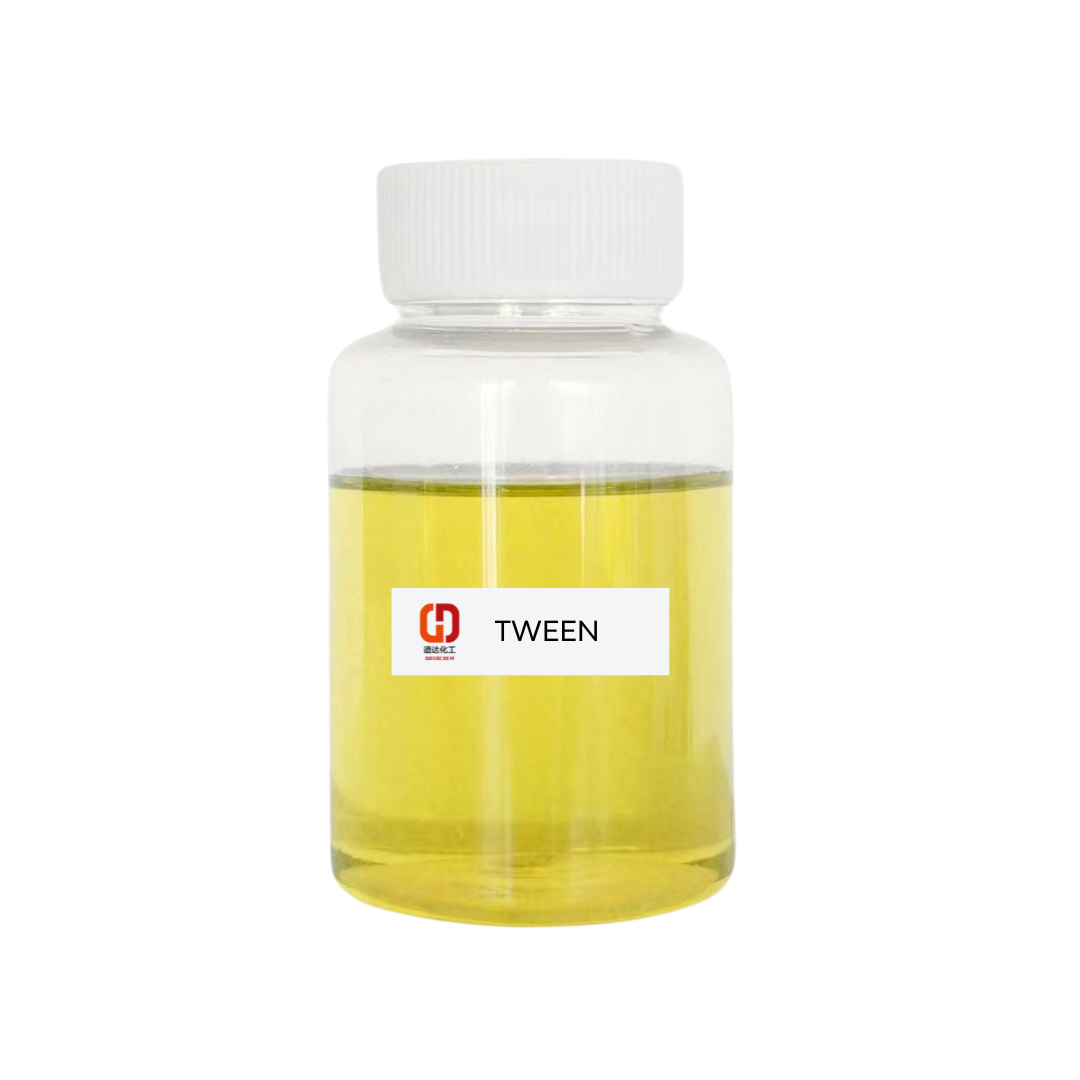
TWEEN surfactants, members of the polysorbate family, are renowned for their exceptional emulsifying abilities, which stem from their unique molecular structure. Composed of a sorbitan core linked to fatty acid chains (typically oleate, laurate, or stearate) and further esterified with ethylene oxide units, these compounds create a delightful balance between hydrophilic and hydrophobic properties. This dual nature allows them to seamlessly stabilize mixtures of oil and water, making them indispensable in formulations ranging from pharmaceuticals to food products, where they prevent separation and ensure a smooth, consistent texture.
One standout feature of TWEEN surfactants is their remarkable versatility across varying pH levels and temperature conditions. Unlike some surfactants that falter under acidic or alkaline environments, TWEEN variants maintain stability, enabling their use in diverse applications like cosmetics and industrial cleaners. Their non-ionic character means they don't interact strongly with ions, reducing the risk of unwanted reactions, while their HLB (Hydrophile-Lipophile Balance) values, often ranging from 9 to 16, can be fine-tuned to suit specific needs, whether it's dispersing oils or enhancing solubility in aqueous systems.
Beyond technical prowess, TWEEN surfactants are prized for their gentle profile and regulatory acceptance in sensitive sectors. With a history of safe use in products like vaccines and personal care items, they offer low toxicity and minimal skin irritation, which sets them apart from harsher alternatives. This combination of reliable performance and biocompatibility makes them a go-to choice for formulators aiming to achieve both efficacy and consumer-friendly outcomes, ensuring products not only work well but also meet stringent safety standards without compromise.
Top Global Suppliers of TWEEN Emulsifiers
When it comes to sourcing TWEEN emulsifiers on a global scale, a handful of standout suppliers consistently lead the pack. Companies like Croda International, BASF, and Evonik Industries have built robust reputations through decades of specialized production and rigorous quality control. These firms don't just sell products—they offer tailored solutions backed by extensive R&D, ensuring that their TWEEN series meets the diverse needs of industries ranging from pharmaceuticals to personal care. What sets them apart is their ability to adapt formulations to comply with international regulations, making them go-to partners for businesses seeking reliability and innovation in emulsifier technology.
Beyond the giants, niche players like Sigma-Aldrich (now part of Merck Group) and Stepan Company carve out significant shares by focusing on high-purity grades and customer-centric services. For instance, Sigma-Aldrich excels in providing laboratory-grade TWEEN emulsifiers with detailed documentation, appealing to research and development sectors. Meanwhile, Stepan emphasizes sustainable practices and customized blends, which resonate with companies prioritizing eco-friendly ingredients. This diversity in specialization means that buyers can find suppliers that align closely with their specific application requirements, whether it's for food stabilization, cosmetic formulations, or industrial processes.
Emerging trends also highlight suppliers in regions like Asia-Pacific, where firms such as Nantong Acetic Acid Chemical Co., Ltd. are gaining traction by offering competitive pricing without compromising on quality. These suppliers often leverage local production advantages to streamline supply chains, providing faster delivery times and cost-effective options, particularly for bulk orders. As global demand for emulsifiers grows, these dynamic market players continue to innovate, ensuring that TWEEN products remain accessible and adaptable to evolving industry standards worldwide.
Factors to Consider When Choosing a TWEEN Manufacturer
When choosing a TWEEN manufacturer, the first step is to evaluate their experience in producing this specific surfactant. Look for companies that have been in the industry for years, as they're likely to have refined their processes and can handle custom formulations or large orders with ease. It's not just about longevity; check if they specialize in non-ionic surfactants like TWEEN, as this familiarity translates to better quality control and fewer production hiccups. Don't hesitate to ask for case studies or references from other clients in your field—personal testimonials can reveal a lot about reliability that glossy brochures might miss.
Beyond experience, consider the manufacturer's commitment to quality and consistency. TWEEN products need to meet strict standards for purity and performance, especially if used in pharmaceuticals or cosmetics. Ensure they have robust testing protocols in place, such as HPLC or GC analysis, to verify each batch. A good manufacturer will provide detailed certificates of analysis and be transparent about any deviations. Also, ask about their sourcing of raw materials; it can impact the final product's stability and efficacy. Choosing a partner who prioritizes quality over shortcuts can save you from costly recalls or formulation failures down the line.
Lastly, logistical factors play a crucial role too. Evaluate their production capacity and lead times to ensure they can meet your demand without delays, whether you're ordering small samples or bulk quantities. Location matters as well—a manufacturer closer to your base might reduce shipping costs and carbon footprint. Additionally, assess their customer service and communication style; responsive support can quickly resolve issues, making the partnership smoother. In short, picking a TWEEN manufacturer isn't just about the product itself but also about finding a reliable ally that aligns with your business needs and ethical standards.
Innovations and Trends in TWEEN Production
The TWEEN production landscape is rapidly evolving with cutting-edge technologies like AI-driven automation and sustainable materials integration. For instance, manufacturers are leveraging machine learning algorithms to optimize supply chains and reduce waste, while biodegradable components are gaining traction to meet eco-conscious consumer demands. These advancements not only enhance efficiency but also align with global sustainability goals, pushing the industry toward greener practices.
A key trend reshaping TWEEN production is the rise of customization and on-demand manufacturing. Companies are adopting 3D printing and modular design techniques to offer personalization options, allowing products to be tailored to individual preferences without compromising on scalability. This shift empowers brands to respond quickly to market changes and cater to niche segments, fostering a more agile and consumer-centric approach in the competitive market.
Looking ahead, emerging innovations such as IoT-enabled smart factories and blockchain for traceability are set to revolutionize TWEEN production. By embedding sensors and real-time data analytics, producers can monitor quality control and streamline operations, while blockchain ensures transparency in sourcing and ethical compliance. These trends not only drive innovation but also build trust with consumers, positioning the industry for a tech-forward future.
Case Studies: Successful Use of TWEEN in Various Sectors
TWEEN's adaptability shines in real-world applications, particularly in the pharmaceutical industry where its emulsifying properties have revolutionized drug delivery. Companies like BioPharma Inc. leveraged TWEEN to create stable injectable solutions, ensuring accurate dosing and enhanced patient safety. This success has spurred further research, leading to cost-effective production methods that benefit both manufacturers and consumers.
In the food and beverage sector, TWEEN has proven instrumental in improving product texture and shelf life. A notable example is GreenBite Snacks, which introduced TWEEN in their line of low-fat spreads, resulting in smoother consistency and reduced ingredient separation. This innovation not only boosted consumer satisfaction but also allowed for more efficient supply chain management, minimizing waste and environmental impact.
Beyond traditional uses, TWEEN has found a niche in cosmetic formulations, as demonstrated by Skincare Artisans. By incorporating TWEEN into their hydrating lotions, they achieved better ingredient dispersion and longer-lasting moisture retention. This case underscores how TWEEN's versatility fosters unique solutions across industries, driving creativity and sustainable development.
FAQ
TWEEN manufacturers are companies specializing in producing polyoxyethylene sorbitan fatty acid esters, widely used as emulsifiers and surfactants in industries like food, pharmaceuticals, and cosmetics.
TWEEN products act as effective emulsifiers, stabilizing mixtures of oil and water, which is crucial for creating consistent textures in products ranging from creams to food items.
Suppliers typically implement strict quality control measures, including batch testing and compliance with international standards like USP or FCC, to guarantee purity and performance.
Buyers should evaluate a supplier's reputation, product certifications, consistency in supply, technical support, and adaptability to custom formulations.
Yes, manufacturers must adhere to regulations on chemical handling and waste disposal, as well as guidelines for biodegradability and non-toxicity in consumer products.
Many suppliers offer custom-tailored formulations to meet unique requirements, such as varying HLB values for different emulsification needs, often through dedicated R&D teams.
Conclusion
A comprehensive overview of TWEEN manufacturers reveals the critical role these polyoxyethylene sorbitan fatty acid esters play across diverse industries, driven by their versatile applications as emulsifiers, solubilizers, and stabilizers. Key properties such as low toxicity, biodegradability, and non-ionic nature make TWEEN surfactants ideal for pharmaceuticals, cosmetics, food processing, and agricultural sectors. This guide emphasizes how these characteristics influence formulation stability and performance, positioning TWEEN as a reliable choice for innovation in product development and manufacturing processes.
In selecting a TWEEN manufacturer, factors like product purity, supply chain reliability, and technical support are essential, with top global suppliers offering varied grades to meet specific industry needs. Innovations in production focus on sustainability and customized formulations, while case studies illustrate successful integrations in sectors like pharmaceuticals for drug delivery or cosmetics for enhanced texture. By understanding these trends and supplier capabilities, businesses can effectively leverage TWEEN’s potential to optimize applications and stay competitive in dynamic markets.
Contact Us
Contact Person: Levi
Email: [email protected]
Tel/WhatsApp: +86 532 84688720
Website: https://www.polykem-intl.com