

Top Storage Tank Options That Offer Durability and Value
2026-08-27
Finding a storage tank that won’t rust through in a few seasons—or drain your budget—is harder than most suppliers admit. Whether you’re upgrading farm water reserves or setting up industrial containment, the real test is what holds up after years of sun, pressure, and neglect. Below, we break down the tank styles that actually earn their keep, with a close look at how DYE balances heavy-duty materials against real-world pricing.
Polyethylene models built for freeze-thaw cycles and rough handling
Thick-walled polyethylene bodies shrug off the kind of abuse that cracks lesser plastics. After repeated exposure to sub-zero nights followed by midday thaws, the material keeps its shape without becoming brittle or developing stress fractures.
The rotomolded construction leaves no weak seams or glued joints, so a dropped model or one knocked against a truck bed won't split open. Scuffs and impact marks blend into the surface rather than turning into starting points for cracks.
Field crews working in northern climates have left these units outside through entire winters, only to find the latches and hinges still operating smoothly come spring. That's the real test of a freeze-thaw cycle build—not a lab simulation, but months of real weather and rough daily handling.
Galvanized steel storage with a coating that outlasts the tank
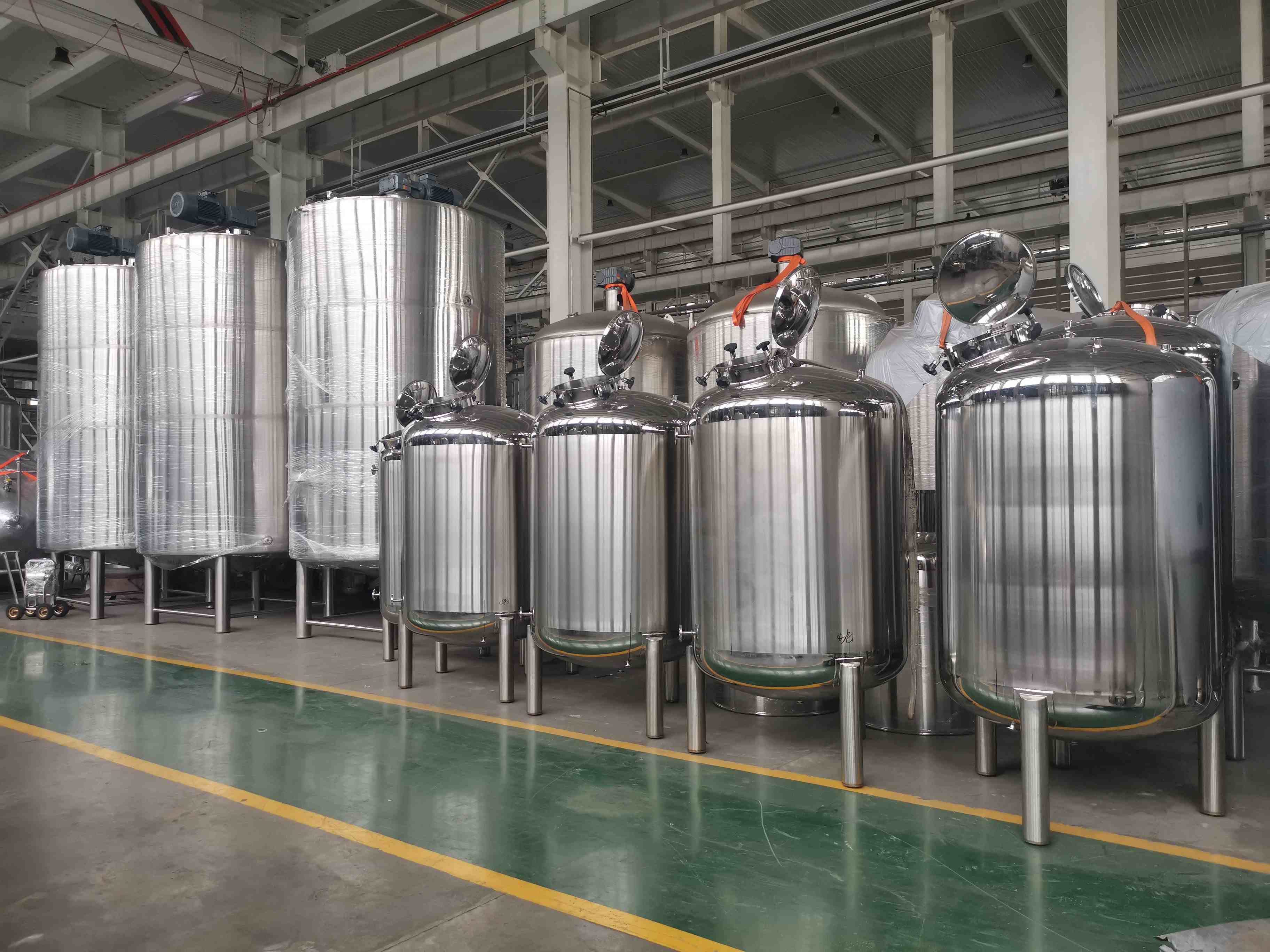
The galvanized steel body of this storage unit already resists rust and moisture, but what really sets it apart is the bonded outer coating. Instead of simply painting the metal, the coating is fused in a way that seals micro-pores and stress points where corrosion usually begins. The result is a shell that sheds water, salt spray, and chemical runoff for years after the underlying steel would normally start to show its age.
That longevity comes from a multi-layer approach: a zinc primer bonds to the steel, then a ceramic-reinforced topcoat hardens into a barrier that expands and contracts without cracking. Even if the tank gets scratched or dented in daily use, the coating resists peeling and flaking because it's chemically anchored rather than just applied. This means the protective layer often remains intact long after the structural warranty on the tank itself expires.
For buyers who store aggressive liquids or live in coastal or industrial environments, this coating is the difference between a tank that needs replacement in a few seasons and one that keeps performing for a decade or more. You end up replacing the tank before you ever have to worry about recoating it.
Fiberglass units that shrug off corrosion and chemical exposure
When harsh chemicals are part of the daily routine, most materials wave the white flag within months. Fiberglass units, though, treat corrosion like background noise. The resin-rich surface forms a sealed barrier that acids, alkalis, and solvents simply can't sink their teeth into. No flaking paint, no rust blooms, no slow structural decay—just the same smooth finish year after year, even in environments that would eat through stainless steel in a single season.
What makes these units different isn't just the material itself, but how the layers are built. Unlike metal enclosures that rely on a thin protective coating, fiberglass carries its chemical resistance all the way through the laminate. Scratch the surface and you won't expose a vulnerable substrate—you'll find more of the same inert reinforcement. That means accidental impacts, dropped tools, or routine cleaning with aggressive degreasers won't start a chain reaction of hidden deterioration.
For facilities that handle everything from chlorine dioxide to hot caustic solutions, fiberglass eliminates the constant cycle of touch-ups and replacements. These units don't need sacrificial anodes, cathodic protection, or special climate-controlled rooms. Install them near a plating line, a chemical storage area, or an outdoor treatment pad, and they'll hold their shape and function without a maintenance crew hovering nearby. It's the closest thing to a set-it-and-forget-it answer for corrosive exposure.
Stainless steel options that justify the higher initial cost
Many buyers flinch at the price jump from coated carbon steel to 316L, but in coastal installations the math flips quickly. Salt spray and chloride attack eat through lesser alloys in a few years, while 316L shrugs off the same exposure for decades. The real saving isn’t on the invoice—it’s in skipping the repaint, patch, and replacement cycle.
In food and pharmaceutical settings, the extra cost of an electropolished 304 or 316 surface pays for itself through easier cleaning and fewer contamination risks. Rough welds and crevices on cheaper materials trap organic matter, forcing longer washdowns and raising audit concerns. A smooth, passivated finish keeps swab tests passing and extends the interval between deep cleans.
For architectural elements that stay visible, brushed or bead-blasted stainless holds its appearance without clear coats or chemical sealers. The premium buys a surface that weathers evenly, hides fingerprints better than mirror finishes, and keeps its resale value when the building changes hands. That kind of durability is hard to see on a spec sheet, but it’s obvious five years later.
Concrete cisterns that disappear underground and rarely need attention
A concrete cistern slips below the lawn so quietly that within a season, the ground above it looks no different from the rest of the yard. The lid sits flush, covered by turf or gravel, and the only clue might be a small access hatch tucked beside a shrub. Once the excavation is backfilled and the concrete cures, the tank becomes part of the landscape rather than an appliance on it.
Underground placement shields the cistern from UV light, temperature swings, and physical knocks. Concrete's natural alkalinity resists the acidic water that slowly eats metal tanks, so internal corrosion is rare. The weight of surrounding soil keeps the structure stable, and because there are no moving parts above ground, there is little to bump, paint, or repair. Most years require nothing more than glancing at the inlet screen after a heavy downpour.
If you do need to check the water level or clear a debris basket, the access riser brings the opening to the surface without digging. A quick lift of the lid reveals the quiet, dark interior, where stored rainwater waits for a dry spell. Then the lid drops back, the grass knits over the edges, and the cistern disappears again—working without noise, without power, and without demanding your attention.
Collapsible tanks for extra capacity that stores flat when empty
When storage space is a constant battle, collapsible tanks flip the script entirely. They give you serious extra capacity in the field, yet collapse down to a fraction of their filled size once drained. Toss one in a truck bed or slide it under a workbench — it waits flat until the next job demands more water or fuel.
The real advantage shows up during seasonal spikes or remote operations. Instead of hauling rigid containers that eat cargo room even when empty, you roll out a flexible bladder, fill it on site, and fold it away the minute it's dry. No awkward empty shells left rattling around, no wasted square footage in a crowded tool trailer.
Maintenance crews and off-grid projects lean on these tanks because setup takes minutes, not a forklift. The material shrugs off UV exposure and rough ground, so a folded tank can live in a gear box for months without degrading. When the call comes, it inflates into a dependable buffer — then disappears flat again until you need that extra margin.
FAQ
Polyethylene and stainless steel tend to outperform other options, but they serve different needs. Polyethylene resists dents, corrosion, and UV damage if it has proper inhibitors, while stainless steel offers exceptional strength for high-temperature or pressurized applications. For most outdoor setups, a rotationally molded polyethylene tank with UV stabilizers is the sweet spot between toughness and cost.
Look beyond wall thickness. Check the resin type—linear polyethylene is far more impact-resistant than basic polypropylene. Seamless construction matters too: rotationally molded tanks have no weak joints. Also ask about the warranty length and whether the manufacturer tests for stress cracking. A tank with a 10-year warranty against cracking usually signals real confidence in durability.
Often yes. A budget tank might save you 30% upfront but fail in three to five years due to UV degradation or brittle walls. Replacing a tank means draining, disconnecting fittings, and possibly losing a batch of whatever you're storing. Spending slightly more on a tank with UV inhibitors and thicker walls can easily double the service life, which makes it far cheaper per year of use.
Smooth interior walls are key—they prevent residue from clinging and make rinsing much faster. Conical bottoms on vertical tanks allow complete drainage, so you're not stuck with stagnant liquid at the bottom. For outdoor tanks, a dark or opaque color slows algae growth. Also look for molded-in fittings rather than drilled holes, since those are less likely to leak or trap debris.
Food-grade polyethylene is your best all-rounder. It's safe for potable water and resists many common chemicals like sodium hypochlorite or fertilizers, as long as the concentration stays within the manufacturer's limits. Stainless steel also works well for both, but it's overkill for most residential or farm uses. Just avoid fiberglass for potable water unless the liner is specifically rated for it.
Thickness does matter, but only when compared within the same material and design. A quarter-inch polyethylene wall will flex and resist impact far better than an eighth-inch wall. However, a single thick number can be misleading—some manufacturers add thickness only at the bottom where it's not needed. Ask for the sidewall thickness at the top and middle, not just the base, and look for consistency.
UV stabilizers are non-negotiable. Without them, polyethylene turns chalky and brittle within a few years. Choose a tank that is explicitly labeled UV-resistant, not just colored—pigment alone doesn't block UV. A light color like white or tan reflects heat and reduces expansion stress. Also consider a tank with a slightly thicker wall on the sun-facing side if the manufacturer offers that option.
Pay the premium for stainless steel if you need to store hot liquids, strong solvents, or anything under pressure. Plastic tanks soften above 120°F and can leach or deform. Stainless also handles aggressive chemicals like acetone or concentrated acids that would eat through polyethylene. For most cold-water or mild chemical storage, though, a good plastic tank gives you 90% of the performance at a third of the price.
Conclusion
When it comes to storage tanks, durability and value rarely come from a single material—they come from matching the right design to the actual demands of your site. Polyethylene models are a smart starting point for anyone dealing with harsh winters or rough handling, thanks to their forgiving flex and resistance to freeze-thaw cycles that would crack more rigid options. If you need a tank that can shrug off rust and leaks for decades, galvanized steel with a high-grade coating often delivers a lifespan that outlasts the tank itself, while fiberglass steps in where corrosion and chemical exposure are constant threats, offering a lightweight yet stubbornly inert solution. Stainless steel may cost more upfront, but for high-purity or high-temperature applications, that initial investment pays back through decades of maintenance-free service. For those with the space and a desire to hide their storage entirely, concrete cisterns buried underground disappear from view and demand almost no attention, quietly doing their job for generations. And when capacity needs fluctuate seasonally or for emergency response, collapsible tanks offer a clever value play—they expand to hold thousands of gallons when needed and fold almost flat for compact storage when empty.
The real trick to getting both durability and value is not chasing a single “best” material, but thinking about what your tank will actually face. A polyethylene tank that survives frozen winters and rough handling costs less to replace and rarely needs repairs, while a galvanized steel unit with a superior coating can sit outside for decades without losing integrity. Fiberglass earns its keep in chemical plants or coastal environments where salt and acids eat ordinary metal, and stainless steel’s higher price becomes a bargain when you factor in zero liner replacements and no corrosion products contaminating your stored liquid. Underground concrete cisterns are the definition of set-and-forget, ideal for rainwater harvesting or fire suppression where above-ground space is precious. Meanwhile, collapsible tanks are an underrated value champion for temporary projects or expanding storage without permanent footprint. Rather than overbuilding with the most expensive option, the smart approach is to assess freeze-thaw exposure, chemical contact, space constraints, and how often the tank will be moved or emptied—then choose the material that handles those conditions without unnecessary overkill. That way, you get a tank that holds up under real conditions and keeps money in your pocket long after the purchase.
Contact Us
Contact Person: Ada Xu
Email: [email protected]
Tel/WhatsApp: 0577-86806088
Website: https://www.dayuwz.com/