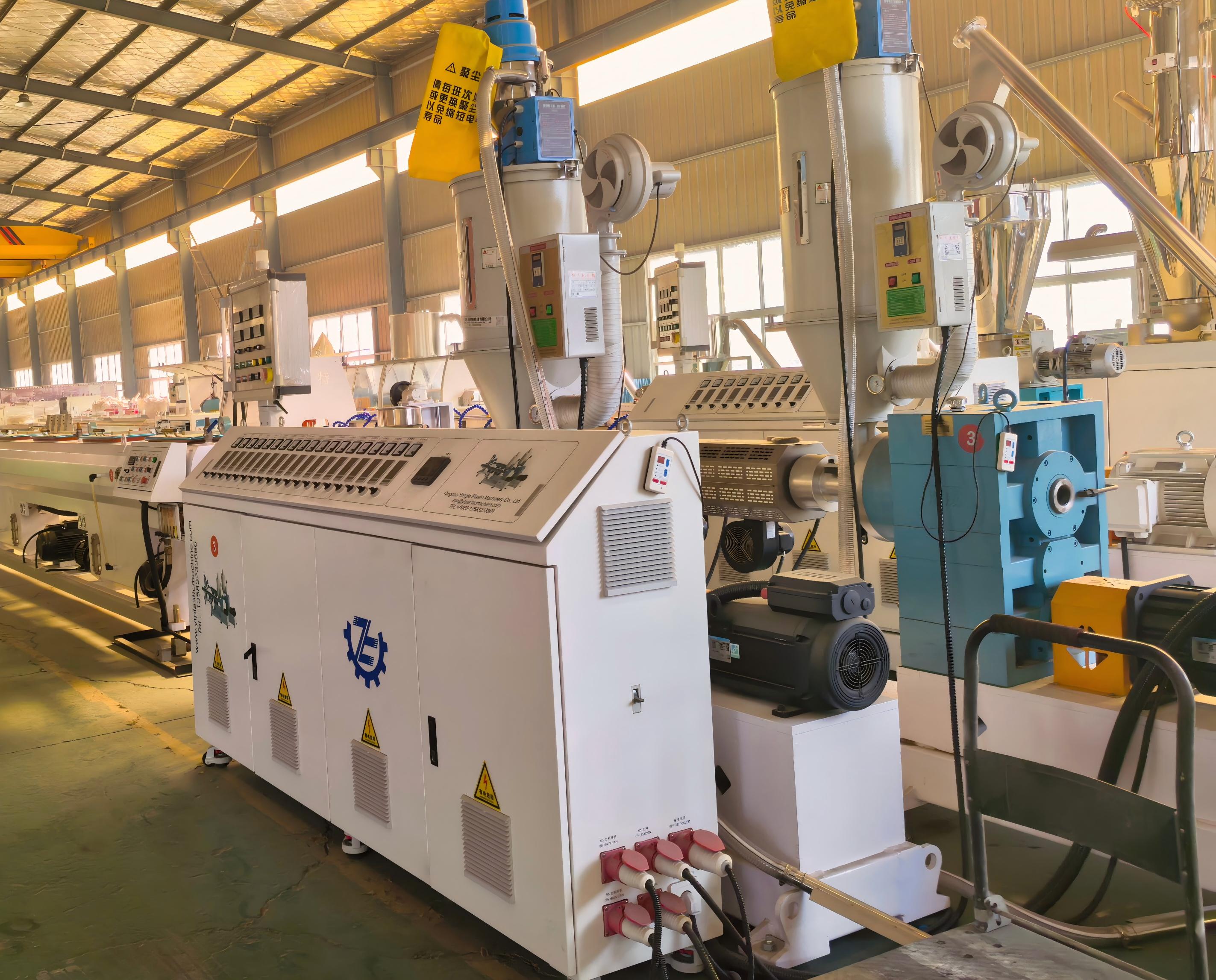

Top PPR Pipe Machines: Innovative Solutions for Efficient Construction Projects
2026-03-24
In the fast-paced world of construction, efficiency and innovation are key drivers of success. For projects relying on PPR (Polypropylene Random Copolymer) pipe systems, the choice of machinery can make or break timelines and budgets. Enter the realm of top PPR pipe machines—technological marvels designed to streamline installations, reduce waste, and enhance durability. At the forefront of this evolution is Yongte, a brand synonymous with cutting-edge solutions that redefine how we approach modern construction. In this blog, we'll explore how Yongte's innovative machines are transforming projects, offering insights that could revolutionize your next build. Stay tuned to uncover the secrets behind efficient, sustainable construction with PPR pipe technology.
Top Benefits of PPR Piping Technology in Construction Projects
In modern construction projects, PPR (Polypropylene Random Copolymer) piping technology stands out for its exceptional durability and ease of installation. Unlike traditional metal pipes that can corrode or require complex welding, PPR pipes are lightweight and can be seamlessly joined using simple heat fusion techniques. This not only speeds up plumbing work on-site but also reduces labor costs and minimizes potential leaks, ensuring a more reliable water supply system from the get-go.
Another significant advantage of PPR piping is its outstanding chemical resistance, which makes it ideal for handling a variety of fluids beyond just potable water. Whether it's hot water for heating systems or aggressive chemicals in industrial settings, these pipes maintain their integrity without degrading over time. This versatility allows builders to use a single piping solution across multiple applications, streamlining material procurement and simplifying maintenance schedules throughout a building's lifecycle.
Beyond performance, PPR piping contributes to sustainable construction practices by being fully recyclable and having a lower environmental footprint compared to alternatives like PVC or copper. Its smooth inner surface prevents scale buildup, ensuring consistent flow rates and energy efficiency in water distribution. As a result, projects incorporating PPR technology often see long-term savings on utility bills and reduced need for replacements, making it a smart investment that aligns with both economic and ecological goals in the industry.
Sustainable and Eco-Friendly Advantages of PPR Systems
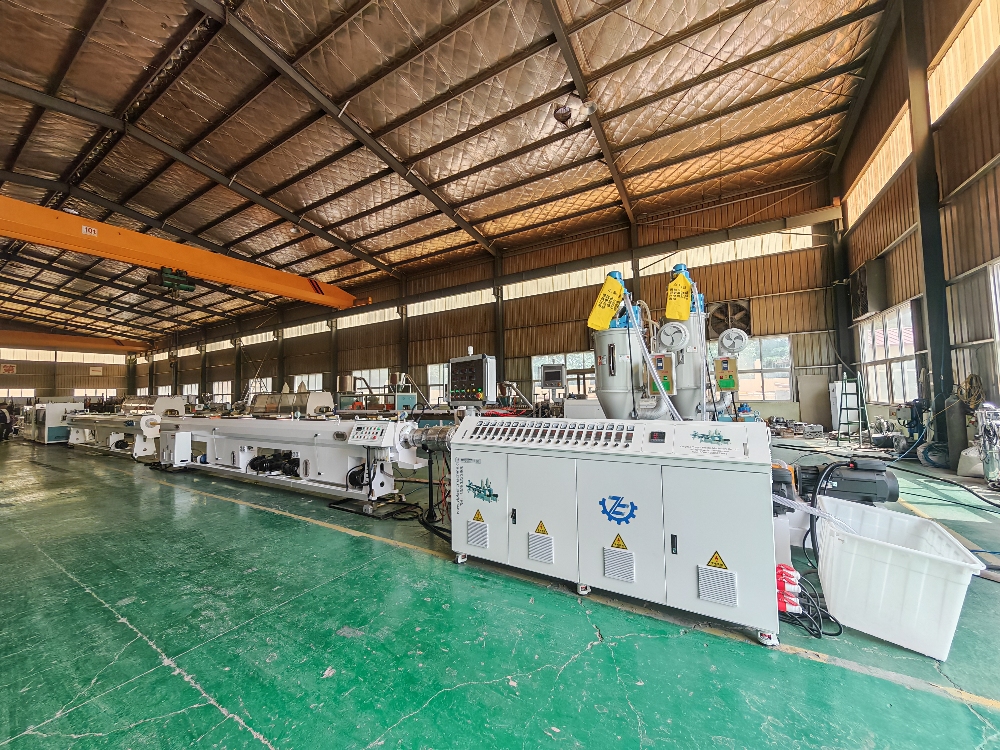
PPR (Polypropylene Random Copolymer) systems have gained popularity due to their strong commitment to sustainability and environmental friendliness. These piping solutions are crafted from materials that are not only durable but also recyclable, reducing landfill waste significantly. By opting for PPR systems, users contribute to a circular economy where resources are reused, cutting down on the demand for new raw materials and minimizing the ecological footprint of construction projects.
Another key aspect of PPR systems is their energy efficiency during both manufacturing and operation. The production process for PPR pipes requires less energy compared to traditional materials like metal, which helps lower greenhouse gas emissions. Once installed, these systems maintain excellent thermal properties, reducing heat loss in hot water applications and thus conserving energy over time. This dual benefit—lower energy use in production and operation—makes PPR a smart choice for eco-conscious builders and homeowners alike.
Moreover, PPR piping is non-toxic and safe for potable water, ensuring no harmful chemicals leach into the water supply, which supports healthier living environments. Its long lifespan and minimal maintenance needs further enhance its sustainability by reducing the frequency of replacements and associated waste. In today's world where environmental stewardship is increasingly valued, PPR systems stand out as a practical and forward-thinking solution that aligns with global green building initiatives.
Key Maintenance Strategies for Enhancing PPR Piping Efficiency
When it comes to boosting the efficiency of PPR (polypropylene random copolymer) piping systems, implementing targeted maintenance strategies is essential. Start by conducting regular visual inspections to check for any signs of wear, such as discoloration, leaks, or unusual bulges, which can indicate potential issues. PPR pipes are known for their durability, but they can degrade over time due to factors like UV exposure or chemical interactions in harsh environments. By catching problems early, you can prevent minor flaws from escalating into costly repairs, ensuring smooth operation and minimizing downtime in industrial or residential settings.
Another critical strategy involves the systematic cleaning of PPR pipelines to remove any accumulated debris or scale that might hinder flow. For instance, in systems used for water supply or heating, mineral deposits can build up and reduce efficiency by narrowing the pipe diameter. Using gentle, non-corrosive cleaning agents specifically designed for plastic pipes helps maintain optimal pressure and flow rates without damaging the material. This practice not only enhances performance but also extends the lifespan of the system, making it a cost-effective approach in the long run.
Lastly, monitoring the temperature and pressure settings within PPR systems can significantly impact their efficiency. PPR pipes have specific tolerances; exceeding recommended levels can lead to stress cracks or failures. Regularly calibrating sensors and adjusting controls based on operational demands, such as seasonal changes in water usage, ensures the system runs within safe parameters. Incorporating smart monitoring tools, like automated alerts for fluctuations, allows for proactive adjustments, keeping the piping network reliable and efficient while adapting to dynamic needs without compromising safety.
Innovative Applications of PPR Piping Across Various Construction Settings
PPR (Polypropylene Random Copolymer) piping is revolutionizing construction with its adaptability in residential, commercial, and industrial settings. In homes, its corrosion-resistant properties and quick installation methods reduce plumbing issues and costs, while in large-scale commercial projects, its ability to handle high temperatures and pressures ensures reliable performance in HVAC and water systems. This versatility makes it a go-to choice for projects that demand both efficiency and durability.
Beyond traditional uses, PPR piping is making waves in sustainable building practices, such as integrating with rainwater harvesting systems to promote environmental conservation. Its lightweight nature simplifies retrofitting in older structures, allowing for seamless upgrades without major disruptions. By embracing these innovative applications, construction teams can enhance project longevity and reduce maintenance expenses over time.
In specialized sectors like healthcare and laboratories, PPR piping's hygienic and non-toxic characteristics are critical, supporting sterile environments and complex fluid transport. Its customizable fittings and leak-proof joints add an extra layer of safety, proving that this material's potential extends far beyond basic plumbing to meet evolving construction challenges with practical, forward-thinking solutions.
Comparative Analysis of PPR Systems with Traditional Piping Materials
In plumbing and heating applications, the selection of piping materials can significantly impact installation efficiency and long-term performance. Traditional options like copper, PVC, and galvanized steel have long been the go-to choices, but polypropylene random copolymer (PPR) systems are gaining traction due to their unique advantages. This analysis delves into how PPR compares with these conventional materials, highlighting factors such as durability, cost-effectiveness, and environmental footprint to provide a clear perspective for decision-makers.
One of the standout features of PPR pipes is their exceptional resistance to corrosion and scaling, which often plague metal piping over time. Unlike copper, which can degrade in aggressive water conditions, or steel, which is prone to rust, PPR maintains its integrity without the need for protective coatings. This not only extends the lifespan of installations but also reduces maintenance headaches. Additionally, PPR's lightweight and flexible nature simplifies handling and reduces labor costs, making it a practical alternative in both new constructions and retrofit projects.
When evaluating the lifecycle of piping systems, PPR demonstrates superior performance in terms of energy efficiency and sustainability. Its smooth inner surface minimizes friction, leading to lower pumping costs compared to rougher traditional pipes. Moreover, PPR is fully recyclable and produces fewer environmental impacts during manufacturing, aligning with modern green building standards. As industries shift toward more eco-friendly solutions, this comparative analysis underscores why PPR is increasingly favored over legacy materials, offering a balanced view of its strengths and limitations.
Future Trends Shaping the Evolution of PPR Piping Solutions in Construction
The evolution of PPR (Polypropylene Random Copolymer) piping solutions in construction is being driven by a shift toward smarter, more integrated systems. Increasingly, installers are adopting modular prefabrication techniques off-site, which not only speeds up project timelines but also minimizes errors and waste on construction sites. This trend is supported by digital modeling tools that allow for precise planning and customization, ensuring pipes fit seamlessly into complex building designs. As a result, PPR systems are moving away from traditional on-site assembly toward more efficient, factory-controlled processes that enhance reliability and reduce labor costs.
Another key trend is the focus on enhancing the sustainability and durability of PPR materials. Innovations in polymer chemistry are leading to formulations with improved resistance to high temperatures, corrosion, and chemical exposure, making PPR pipes more suitable for diverse applications like hot water systems and industrial settings. Concurrently, there's a growing emphasis on recyclability and eco-friendly production methods, aligning with global green building standards. This dual focus on performance and environmental impact is helping PPR solutions stand out as long-lasting, low-maintenance options that contribute to energy-efficient structures.
Looking ahead, the integration of IoT (Internet of Things) and smart monitoring technologies is set to revolutionize PPR piping systems. By embedding sensors within pipes, builders can enable real-time tracking of flow rates, pressure levels, and potential leaks, allowing for proactive maintenance and optimization of water usage. This connectivity transforms PPR networks from static components into dynamic assets that enhance building intelligence and resource management. As construction embraces digital transformation, these advancements will position PPR solutions as integral parts of future-ready infrastructure, blending traditional reliability with cutting-edge innovation.
FAQ
Top PPR pipe machines feature automated control systems, high-speed fusion technology, and durable components to minimize downtime and ensure precise pipe connections on-site.
Innovative models integrate IoT connectivity for real-time monitoring and use energy-efficient heating elements, unlike older machines that rely on manual adjustments and consume more power.
They address issues like inconsistent pipe joints and labor-intensive processes by offering portable designs and quick setup times for tight project schedules.
In projects like high-rise buildings, users report up to 30% faster installation and reduced material waste due to precise cutting and fusion capabilities.
Regularly clean heating elements, calibrate sensors monthly, and use manufacturer-approved spare parts to extend machine lifespan and maintain performance.
Designs prioritize low-emission fusion processes and recyclable materials to reduce environmental impact, aligning with green construction standards.
Operators should undergo hands-on training for safety protocols and machine settings, though intuitive interfaces make it accessible for skilled workers.
Yes, studies show long-term savings from reduced labor costs and fewer reworks, often recouping the initial investment within the first year of use.
Conclusion
The advent of Top PPR pipe machines has revolutionized construction projects by delivering enhanced efficiency and reliability. These innovative solutions leverage PPR piping technology, offering superior benefits such as corrosion resistance, durability, and ease of installation, which streamline workflows and reduce project timelines. Incorporating sustainable and eco-friendly advantages, PPR systems minimize environmental impact through recyclable materials and energy-efficient production, aligning with modern green building standards. By integrating key maintenance strategies, like regular inspections and proactive leak prevention, PPR piping efficiency is optimized, ensuring long-term performance and cost savings across diverse construction settings.
Innovative applications of PPR piping span residential, commercial, and industrial projects, showcasing versatility in plumbing, heating, and cooling systems. A comparative analysis highlights that PPR outperforms traditional materials like copper or steel in terms of lightweight design, thermal insulation, and lower maintenance needs, positioning it as a superior choice for modern construction. Looking ahead, future trends shaping PPR piping solutions include smart technology integration and advanced manufacturing techniques, promising even greater adaptability and innovation. This comprehensive approach solidifies PPR as a cornerstone for efficient, sustainable construction, driven by cutting-edge machine technologies.
Contact Us
Contact Person: Ms Qin
Email: [email protected]
Tel/WhatsApp: 8613583233866
Website: https://www.yongteplast.com