

Top Electrical Transformer Suppliers for Reliable Power Solutions
2025-12-31
Navigating the world of electrical transformers can feel overwhelming, especially when reliability is non-negotiable. Whether you're upgrading an industrial facility or ensuring a steady power supply for critical operations, the right supplier makes all the difference. In this blog, we'll explore some of the top electrical transformer suppliers that deliver robust solutions, with a special look at how Lugao stands out in this competitive field. Get ready to discover what sets these leaders apart and why your next power project deserves their expertise.
Discover Leading Transformer Brands for Enhanced Power Stability
When it comes to ensuring reliable power stability in industrial or commercial settings, choosing the right transformer brand can make all the difference. Some top names, like Siemens, ABB, and Schneider Electric, stand out for their robust designs and decades of proven performance. These companies aren't just selling hardware; they offer solutions that integrate seamlessly with modern electrical systems, providing consistent voltage regulation and minimizing downtime risks. Whether you're upgrading a facility or planning a new installation, opting for a trusted brand often translates to fewer operational hiccups and better long-term cost savings.
Diving deeper, brands like Eaton and General Electric bring innovation to the table with smart transformers that go beyond basic functionality. Features such as real-time monitoring, adaptive load management, and enhanced efficiency ratings help optimize energy use while bolstering grid resilience. It's not just about handling surges or sags anymore—these products are engineered to anticipate issues and adjust proactively. That means smoother power delivery for everything from sensitive medical equipment to heavy machinery, ensuring operations stay stable even in fluctuating conditions.
Choosing a leading transformer brand also means access to comprehensive support networks and industry-specific expertise. Many manufacturers provide tailored services, from on-site assessments to after-sales maintenance, which can significantly cut troubleshooting time. In sectors where power stability is non-negotiable—think data centers or manufacturing plants—this extra layer of reliability underscores why brands with a solid track record remain the go-to choice. Ultimately, investing in quality transformers from reputable makers isn't just a purchase; it's a strategic move toward more resilient and efficient power management.
Key Factors in Selecting High-Performance Electrical Transformers
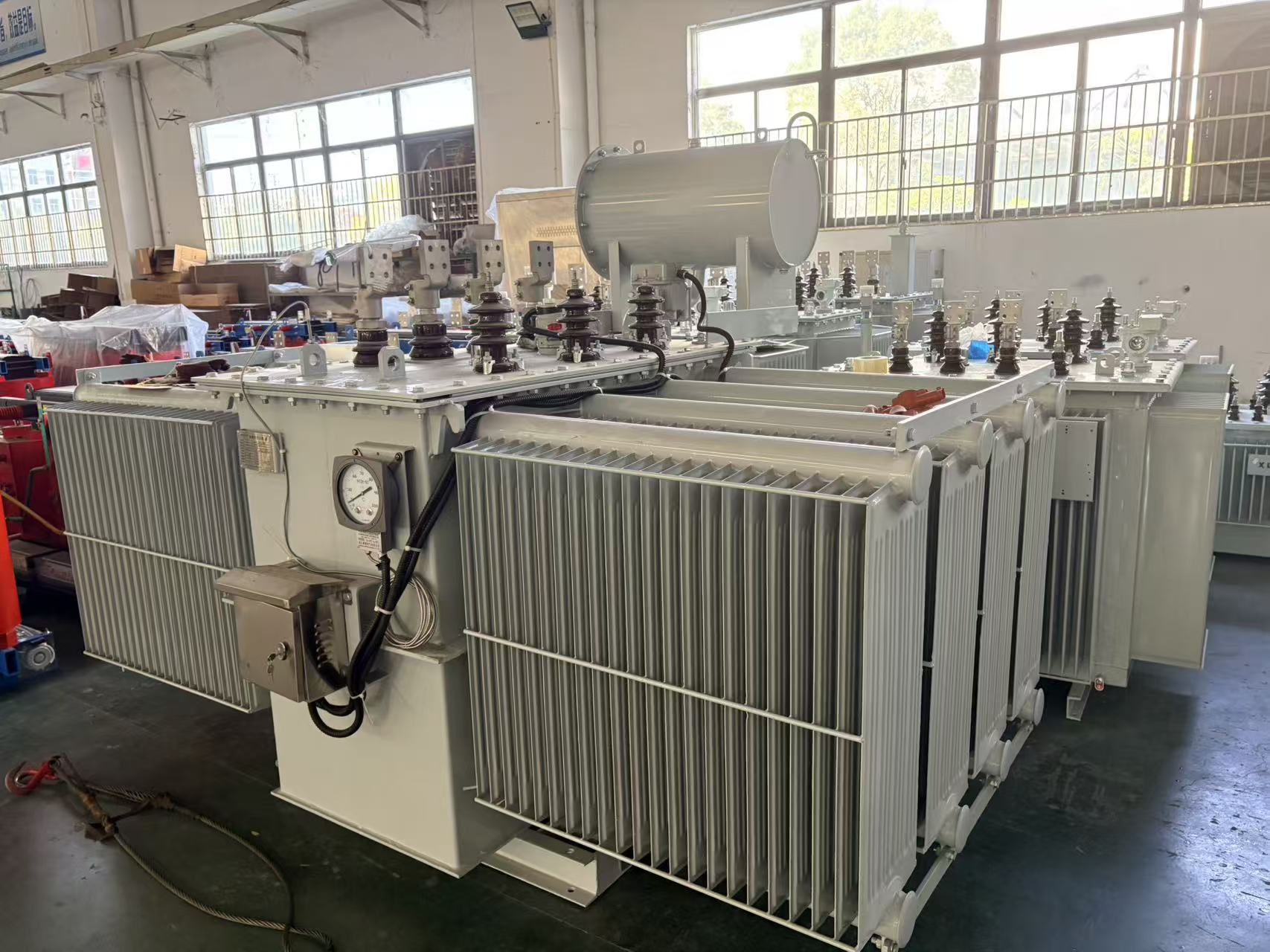
Selecting the right electrical transformer is crucial for ensuring efficient energy distribution and minimizing operational costs. Key factors to consider include the transformer's capacity, which must align with the system's load requirements to prevent overloads and inefficiencies. Additionally, efficiency ratings, such as those measured by no-load and load losses, directly impact long-term energy savings and environmental footprint. Paying attention to these aspects helps in choosing a transformer that not only meets current demands but also adapts to future energy needs.
Another vital consideration is the transformer's design and construction quality. Materials like high-grade silicon steel cores and advanced cooling systems enhance performance and durability, reducing the risk of failures and maintenance downtime. Innovations such as amorphous metal cores offer superior efficiency by minimizing core losses, making them ideal for applications where energy conservation is a priority. By prioritizing robust design, you invest in a reliable asset that withstands harsh operational conditions and extends service life.
Beyond technical specifications, factors like brand reputation and after-sales support play a significant role. Established manufacturers often provide comprehensive warranties and technical assistance, ensuring seamless integration and troubleshooting. Customization options, such as specific voltage taps or protective features, allow tailoring transformers to unique project requirements. Keeping these elements in mind ensures a balanced approach that combines performance, reliability, and support for optimal outcomes in electrical systems.
Innovative Technologies Shaping Modern Transformer Solutions
Modern transformer solutions are increasingly driven by advancements in materials science and digital modeling techniques. The development of amorphous and nanocrystalline core materials has enabled significant reductions in core losses, enhancing energy efficiency in power distribution systems. Simultaneously, sophisticated finite element analysis (FEA) software allows engineers to simulate electromagnetic behavior with unprecedented accuracy, optimizing transformer designs for specific applications and environmental conditions.
Another key innovation lies in the integration of smart monitoring systems and IoT sensors, which facilitate real-time performance tracking and predictive maintenance. These systems collect data on parameters like temperature, vibration, and load fluctuations, enabling early detection of potential faults and minimizing downtime. This shift towards data-driven management not only improves reliability but also extends the operational lifespan of transformers in grid networks.
Emerging technologies such as solid-state transformers (SSTs) and advanced insulation solutions are further reshaping the landscape. SSTs leverage power electronics to offer superior control over voltage regulation and power flow, supporting the integration of renewable energy sources like solar and wind. Meanwhile, novel insulation materials, including silicone-based and ester fluids, provide enhanced fire safety and environmental benefits while maintaining high dielectric strength under varying thermal stresses.
Global Suppliers Offering Customized and Scalable Options
Global suppliers are increasingly tailoring their services to meet the unique demands of businesses across different sectors, offering bespoke solutions that go beyond one-size-fits-all approaches. By leveraging their international expertise and diverse manufacturing capabilities, these suppliers provide customized products that align precisely with client specifications, whether for niche markets or large-scale operations. This personalization ensures that companies can address specific challenges and seize opportunities without compromising on quality or efficiency, fostering stronger partnerships and more resilient supply chains.
In addition to customization, scalability is a key advantage that sets top-tier global suppliers apart. They design flexible supply models that can quickly adapt to fluctuating market conditions, such as changes in demand or production volumes. This scalability allows businesses to expand or contract their operations seamlessly, reducing risks associated with overstocking or shortages. By integrating advanced technologies and streamlined processes, suppliers enable clients to scale with confidence, supporting growth initiatives while maintaining cost-effectiveness and operational agility.
To stand out in a competitive landscape, leading global suppliers focus on integrating both customized and scalable options into cohesive strategies. They offer end-to-end support, from initial consultation to ongoing optimization, ensuring that solutions evolve alongside a business's needs. This holistic approach not only enhances operational efficiency but also drives innovation, allowing companies to stay ahead of trends and respond proactively to global shifts. By prioritizing adaptability and long-term value, these suppliers empower organizations to thrive in dynamic environments, creating sustainable advantages that resonate across industries.
Cost-Effective Strategies for Long-Term Transformer Maintenance
Keeping transformers in top shape without overspending requires a smart, forward-thinking approach. One popular method involves leveraging predictive analytics; by using data from sensors and past performance records, teams can spot potential issues like oil degradation or winding insulation problems before they lead to costly failures. This cuts down on emergency repairs and helps plan maintenance during off-peak times, ultimately saving money and extending the transformer's life.
Another strategy focuses on routine checks that balance thoroughness with practicality. Instead of sticking to rigid schedules, implementing condition-based maintenance based on real-time monitoring allows for adjustments as needed. For instance, if a transformer's load remains stable, you might extend the interval for oil testing, reducing both labor and material costs. Training staff to handle basic tasks in-house, like cleaning and visual inspections, can also lower expenses compared to outsourcing every minor issue.
To add a unique twist, consider adopting a lifecycle management perspective. This means investing in higher-quality materials during upgrades or replacements—such as advanced cooling systems or durable bushings—that may cost more upfront but pay off with fewer repairs over decades. Pairing this with collaborative partnerships for bulk purchasing of parts or sharing best practices with other operators can further drive down long-term expenses, making maintenance not just affordable but sustainable too.
Case Studies on Transformers Driving Energy Efficiency Gains
Transformers aren't just the backbone of electrical grids; they're the unsung heroes of energy efficiency. A recent study in a bustling European city showed that by retrofitting old transformers with advanced cooling and monitoring systems, the municipality slashed energy losses by over 15%, saving millions annually. These upgrades didn't just reduce waste—they also improved grid reliability, allowing for more renewable energy integration. It's a clear win-win, proving that small changes in transformer tech can have massive ripple effects.
Another compelling example comes from a large industrial plant, where high-efficiency transformers were deployed in a phased approach. This move, coupled with real-time load optimization, cut down the plant's total energy consumption by nearly 12%. On the surface, that might seem modest, but when scaled to such a facility, it translates to significant cost reductions and a smaller carbon footprint.
Beyond urban and industrial settings, rural areas offer unique challenges and opportunities. In remote villages, smart transformers enabled by IoT sensors have optimized power distribution, reducing line losses by up to 20%. This not only conserved energy but also ensured more stable electricity access for communities, supporting economic growth. These case studies highlight how transformers, often overlooked, are pivotal in driving tangible energy savings across diverse environments.
FAQ
When selecting a supplier, prioritize reliability, product quality, customization options, and after-sales support to ensure long-term performance and cost-effectiveness.
Leading suppliers invest in advanced testing, robust manufacturing processes, and compliance with international standards to minimize downtime and enhance durability.
Yes, many top suppliers offer bespoke solutions, tailoring transformers to unique voltage, size, and environmental requirements for various sectors.
These suppliers typically provide a range including distribution transformers, power transformers, and specialized variants for renewable energy integration.
Comprehensive maintenance, technical support, and warranty services significantly boost operational efficiency and reduce lifecycle costs.
They contribute by developing energy-efficient models and solutions that align with green technologies and regulatory frameworks.
Conclusion
This article highlights the importance of choosing top electrical transformer suppliers to ensure reliable power solutions, focusing on leading brands that enhance power stability. It explores key factors in selecting high-performance transformers, such as durability, efficiency, and compliance with industry standards, alongside innovative technologies shaping modern solutions. By integrating these aspects, businesses can secure scalable and customized options from global suppliers, driving long-term energy reliability and cost savings through effective maintenance strategies.
Furthermore, the content delves into practical applications through case studies demonstrating how transformers contribute to energy efficiency gains. Emphasizing a balance between advanced innovations and cost-effective approaches, it provides insights into optimizing transformer performance for diverse industrial needs. This comprehensive overview ensures readers are equipped to make informed decisions, leveraging supplier expertise and technological advancements for sustainable power management and enhanced operational resilience.
Contact Us
Contact Person: Doreen
Email: [email protected]
Tel/WhatsApp: 8618057712366
Website: https://www.liugaopower.com/