

Top 10 Water Flow Detectors for Accurate Leak Monitoring and Smart Home Safety
2026-08-11
Water damage can strike when you least expect it, turning a minor leak into a costly disaster. Smart home safety starts with knowing your water flow in real time. In our roundup of the top 10 water flow detectors for accurate leak monitoring, we spotlight devices that combine cutting‑edge technology with reliability. One brand that consistently delivers peace of mind is DRIFCO, known for its precision sensors and seamless smart home integration. Whether you're a homeowner or a tech enthusiast, this list will help you find the perfect safeguard for your space. Dive in to discover which detectors made the cut—and why staying dry has never been smarter.
The Hidden Leak Culprits: Why Your Water Bill Spikes Overnight
A toilet that runs silently in the background can waste more water than you'd ever imagine. Even a barely perceptible trickle, often caused by a worn flapper or a misaligned float, might send hundreds of gallons down the drain each day without a single audible clue. It's the kind of slow, steady loss that only becomes obvious when the bill arrives and the numbers don't match your usual usage.
Outdoor faucets and irrigation lines are equally sneaky. A small split in a hose bib that drips into the soil, or a cracked sprinkler head masked by grass, can bleed water 24/7. Because the evidence disappears underground or evaporates before you notice, these leaks often persist for weeks—right through a billing cycle or two—before you happen to spot a suspiciously soft patch in the yard.
Then there are the hidden drips inside walls or under slab foundations. A pinhole in a copper pipe behind drywall might never show itself until the damage is severe, but the water meter keeps spinning. These slow, concealed leaks are easily mistaken for a meter reading error, but they're usually the real reason behind an overnight spike that leaves you scratching your head.
Flow Sensors vs. Flood Sensors: Which One Actually Saves Your Home?
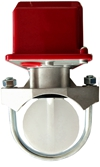
When it comes to protecting your home from water damage, the debate often narrows down to two types of devices: flow sensors and flood sensors. Flow sensors monitor the overall water flow in your pipes, shutting off the supply if they detect continuous usage that exceeds a set limit—like a pipe burst. Flood sensors, on the other hand, are point-of-leak detectors that trigger an alarm when they come into contact with water. Both have their merits, but they tackle the problem from completely different angles, which means their effectiveness depends on the nature of the threat you're most likely to face.
Flow sensors excel at stopping catastrophic, large-scale leaks before they soak your floors and walls. Since they track total water consumption, they can catch hidden ruptures in walls or slabs that you might not notice until the damage is extensive. But they can be trickier to calibrate, sometimes shutting off water during normal high-usage activities like filling a bathtub. Flood sensors are simpler and cheaper; just place them near washing machines, water heaters, or sump pumps, and they'll alert you the moment moisture appears. Yet they only react after water has already pooled, which might mean the damage has begun.
So, which one actually saves your home? It’s not really a competition. For true peace of mind, the smartest approach is to use them together. A flood sensor gives you an early warning for small, localized leaks, while a flow sensor acts as your last line of defense against a major pipe failure. Layered protection ensures that you’re covered whether the problem is a slow drip behind the dishwasher or a sudden gush in the basement. After all, the cost of a combined system is still far less than dealing with a single uncontrolled flood.
Smart Home Sync: Teaching Your Detector to Talk to Alexa and More
Getting your smart detector to chat with Alexa isn't just a party trick—it’s about creating a home that reacts before you even notice a problem. Imagine your smoke alarm not only blaring in the hallway but also whispering a warning through every Echo device while turning on the lights to guide you out. The setup process often trips people up because it’s not always a one-tap affair. You’ll typically dive into the detector’s companion app, hunt for the integrations menu, and link your Amazon account. Once the handshake happens, the real fun begins: custom routines that make the house feel like a thoughtful partner, not a collection of gadgets.
Alexa is just the starting point. The same logic applies to Google Home, Apple HomeKit, or IFTTT, letting you weave your detector into a broader safety net. Picture a scenario where a carbon monoxide alert doesn’t just sound an alarm—it also unlocks smart locks and flashes Philips Hue lights red. To pull this off, you’ll want to name your devices clearly in each ecosystem, avoiding generic labels like “detector 1” that confuse voice commands. Consistency matters: if you call it “Kitchen Smoke Sensor” in one app, use the same phrase everywhere. This kind of cross-platform fluency turns a standalone device into a silent orchestrator, bridging the gap between safety hardware and the voice assistants you already rely on.
What often gets overlooked is how these integrations evolve over time. Detector manufacturers push firmware updates that can add new triggers or voice-control quirks, so checking for updates every few months keeps things running smoothly. Don’t shy away from experimenting with indirect controls, either—like using a motion sensor to trigger a routine that verbally announces sensor status through Alexa. It’s the unexpected combinations that make a synced home feel less scripted and more intuitive, blending safety alerts with everyday convenience without any robotic stiffness.
Zero-Tool Setups: Installing a Flow Detector in Under 10 Minutes
Modern flow detectors bring simplicity to the forefront, often requiring nothing more than your hands and a clear workflow. This zero-tool approach turns a task that once demanded wrenches and sealant into a snap-together process. By relying on push-fit connectors, threaded collars, or magnetic mounts, these devices eliminate the common headaches of pipe modification. You won’t need to shut down entire sections or wrestle with corroded fittings—just a clean, dry surface and a minute to align the sensor.
The real speed advantage comes from self-sealing mechanisms and pre-applied gaskets that ensure a watertight bond instantly. With color-coded indicators or audible clicks, you know the connection is solid without guesswork. Most units fit standard line sizes and shapes, so there’s no measuring or cutting involved. From unboxing to real-time readings, the whole job shrinks to under ten minutes—many setups are running in half that time. This plug-and-play philosophy means maintenance crews can handle installations on routine rounds, avoiding scheduling delays or contractor costs.
Zero-tool installation also boosts safety and flexibility. No exposed blades, no stray metal shavings, and no risk of over-tightening—just a firm hand press until it locks. Temporary or permanent placements are equally effortless; magnetic bases let you reposition a detector along a pipe without leaving marks. As a result, flow monitoring becomes an agile, everyday operation rather than a disruptive project. For facilities looking to scale up monitoring points rapidly, this minimalist setup is a practical game-changer.
No False Alarms: How Top Detectors Tell a Shower From a Burst Pipe
The most advanced water leak detectors rely on a blend of high-precision sensors and intelligent algorithms that analyze flow patterns in real time. Instead of simply reacting to the presence of water, they learn a home’s normal usage signatures—like the steady, moderate draw of a shower—and distinguish them from the sudden, sustained high flow that characterizes a pipe rupture. This continuous learning process means the system adapts to seasonal changes and daily routines, reducing the chance of annoying false positives while maintaining a vigilant watch over the entire plumbing network.
Top-tier models incorporate multiple sensing technologies, such as ultrasonic flow meters paired with pressure transducers, to paint a complete picture of what’s happening inside the pipes. By measuring tiny fluctuations in pressure and correlating them with flow data, these detectors can identify anomalies that simpler devices would miss. For instance, a shower typically causes a controlled drop in pressure that rebounds quickly when the valve is closed, whereas a burst pipe leads to a chaotic, non-recovering pressure loss. This nuanced understanding allows the system to react only when there’s a genuine emergency, such as a cracked supply line or a frozen pipe giving way.
Beyond the hardware, sophisticated software plays a crucial role in verdict accuracy. Machine learning models are trained on thousands of leak scenarios and normal usage events, enabling them to recognize subtle differences that human-written rules could never capture. Some detectors even offer a grace period or a quick double-check mechanism: whenever an anomaly is detected, they might briefly monitor for confirmation before sounding the alarm or shutting off the main valve. This extra layer of caution prevents overreactions to one-off events like filling a large bathtub, while still delivering rock-solid protection when a genuine burst occurs.
When a Tiny Device Halts a Catastrophe: Unexpected Real-Life Saves
It was just past two in the morning when the carbon monoxide detector in the back hallway started wailing—a noise so sharp it cut through the deepest sleep. The family of four had no idea their furnace had been leaking the odorless gas for hours, slowly filling the house while they dreamed. That cheap, palm-sized device, often ignored on the ceiling, became the sole reason they stumbled outside into the cold night air instead of never waking up. Emergency responders later said the levels were high enough to be fatal within thirty more minutes.
Then there’s the story of a lone hiker in the Rockies who fell and broke his leg miles from any trail. His phone had no signal, but a keychain-sized personal locator beacon—bought on a whim and nearly left at home—let him send a distress signal with exact coordinates. SAR teams reached him just as a snowstorm rolled in, a reminder that the gap between tragedy and rescue can be filled by something weighing less than a cereal bar.
These moments rarely make headlines; they’re the near-misses, the almost-disasters. But they share a common thread: a small, unprepossessing gadget doing exactly what it was designed to do in the background. No fanfare, just a piercing beep or a silent burst of satellite data that turns an ordinary night or a routine hike back from the brink.
FAQ
These devices catch leaks early, often before visible damage occurs. They track water use in real time, sending alerts if something seems off, so you can prevent floods, mold, and high bills without constant manual checks.
Basic sensors only detect standing water where they're placed. Flow detectors monitor the entire plumbing system by measuring water movement, so they can spot issues inside walls or underground before water ever pools.
Many advanced models learn your typical usage patterns and can distinguish a small, consistent drip from a catastrophic break. They often categorize alerts by severity, helping you prioritize responses.
Most are designed for DIY installation—clamp-on ultrasonic sensors just strap onto a pipe without cutting. Some in-line models require basic plumbing skills, but many users manage with a wrench and the included instructions.
Several detectors have battery backups and local storage, so they keep monitoring. Some even send alerts over cellular networks or through local sirens if Wi-Fi goes down, ensuring you’re never left unaware.
They provide detailed usage breakdowns by fixture, show daily consumption, and suggest ways to cut waste. Seeing real-time data encourages shorter showers and fixing running toilets, often lowering both bills and environmental impact.
Commercial units need higher flow rate tolerances, multi-zone monitoring, and integration with industrial shut-off valves. Look for models with robust analytics, cloud dashboards, and support for pipe sizes beyond typical residential dimensions.
Absolutely. Early leak detection can prevent thousands in water damage repairs, and the conservation insights typically reduce monthly water bills by 10-20%. Many insurance companies also offer discounts for proactive leak protection systems.
Conclusion
A sudden spike in your water bill often points to leaks you’d never spot on your own—dripping faucets, silent toilet flapper failures, or pinhole pipe ruptures behind walls. That’s where a top-tier water flow detector steps in, monitoring real-time usage and catching anomalies long before they turn into costly disasters. Unlike basic flood sensors that only react once water pools on the floor, flow detectors analyze the entire plumbing system, learning household patterns to differentiate between a morning shower and a burst pipe. This intelligence means far fewer false alarms—your midnight toilet flush won’t trigger a panic, but a continuous high-flow event will instantly alert you and, in many cases, automatically shut off the main valve to prevent catastrophe.
Modern detectors don’t just work in isolation; they seamlessly integrate with smart home ecosystems, letting you check water usage through Alexa or Google Assistant, or receive notifications via phone apps. Installation is refreshingly straightforward—many models clamp onto the main water line without cutting pipes or calling a plumber, and you can have the whole system up and running in under ten minutes. The real magic, however, happens in those unscripted moments: a detector noticing a running hose while the family is on vacation, or halting a pipe freeze break before it floods the basement. These small devices have repeatedly proven their worth, turning what could be a nightmare into a minor inconvenience, and giving homeowners genuine peace of mind.
Contact Us
Contact Person: George
Email: [email protected]
Tel/WhatsApp: 13863633883
Website: https://www.es-fire.com