

Top 10 Fuel Station Management Systems to Optimize Your Station Operations
2026-10-04
Fuel station margins rarely bleed from one big problem—they bleed from a dozen small ones: mismatched dipstick readings, price changes that don’t reach the pump, loyalty cards that won’t scan. A management system either fixes those daily frictions or adds another login you’ll ignore. In this list, we skipped the bloated platforms and focused on ten tools that actually earn their keep, including a closer look at what BEILIN brings to the forecourt.
Where Daily Reconciliation Actually Goes Off the Rails
You don't need a forensic audit to see why the numbers stop matching. Most teams lose the thread around 4 p.m., when the bank feed stops updating but card settlements keep trickling in. Someone copies the day's POS total into the spreadsheet, doesn't notice the missing three transactions from the last hour, and marks the ledger balanced. The next morning there's a $19.42 difference that nobody can explain, so someone creates an adjustment line and moves on.
Another quiet failure point is how promises get recorded. A customer service rep refunds $8.50 directly from the payment processor, but that refund never reaches the daily reconciliation sheet because the sheet pulls only from the merchant account. Two days later the finance manager sees a 50-cent mismatch per transaction and starts questioning whether the whole week's totals are trustworthy. It's rarely a big fraud; it's duplicated data entry and missing return flows.
The most damaging habit, though, is treating reconciliation as a once-a-day checkbox instead of a rolling comparison. If you only reconcile at 9 a.m. for the previous day, you miss voids, chargebacks, and gateway fees that post hours later. By the time the variance is spotted, the original records have already been exported and archived, so the correction becomes a memo note rather than a root cause fix.
Wet Stock Accuracy: What the Leading 10 Handle Better
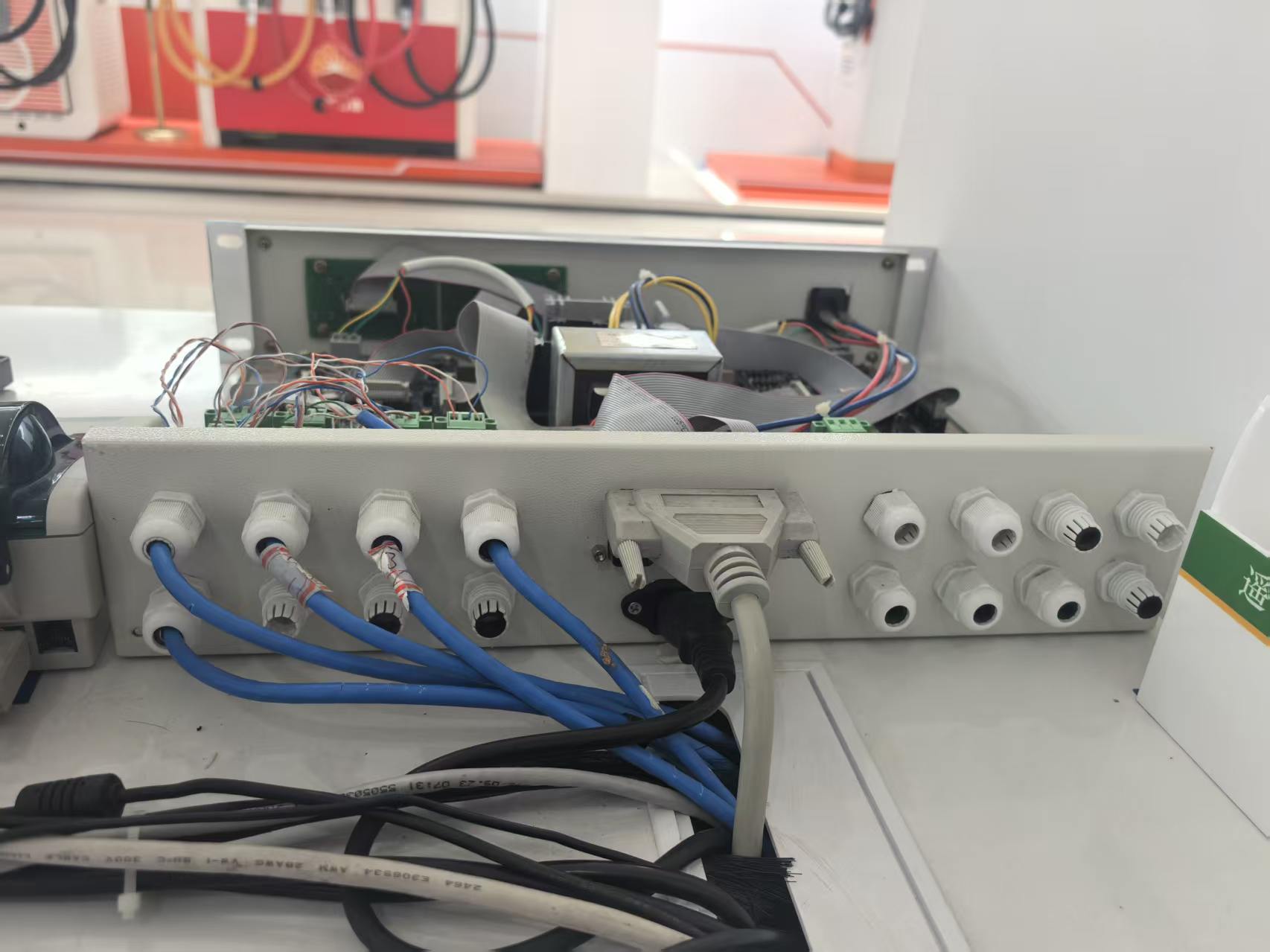
Most fuel retailers treat wet stock as a reconciliation headache, but the top ten operators turn it into a daily operating rhythm. They set variance thresholds that trigger an investigation on the same shift, not at month-end, and they insist on tank dips that match automated gauge readings within a few litres before accepting the day's numbers.
Calibration is another area where they refuse to cut corners. Rather than trusting the tank manufacturer's original volume table for years, they recalibrate after seasonal temperature swings and after any work near the probe. They also reconcile every fuel delivery against the invoice as the tanker is unloading, so a short drop is challenged immediately instead of becoming a mysterious loss weeks later.
When trends do appear, the leading sites look for slow meter drift and small leaks instead of assuming evaporation or shrinkage. They compare dispensed totals against tank stock daily and set automatic alerts for unusual patterns, which catches a 0.3% daily variance before it becomes a 3% monthly write-off. That habit alone separates them from the average operator.
Features That Sound Great in Demos but Collect Dust Later
Every product team has a few of these: the voice-activated grocery list that never got used after week one, the AR furniture preview that was fun twice, the "smart" analytics dashboard that nobody opens because it takes longer to load than to just eyeball the numbers. They demo beautifully because they tap into a future-self fantasy—someone who will actually scan the room before buying a couch or speak commands while cooking. But the gap between imagined workflow and real friction is where dust collects.
The problem isn't that these features are broken; it's that they solve a problem that only exists during the pitch. A "one-click team sync" wows stakeholders but ignores that most teams prefer their own messy, asynchronous habits. A "revolutionary mood tracker" gets a round of applause until users realize they have to remember to log emotions when they're not feeling anything noteworthy. The demo moment is engineered for novelty, not for day-to-day repetition, so the feature never transitions from "look what it can do" to "what I actually do."
To spot them early, watch for features that require a behavior change rather than enhancing an existing one. If the demo involves the presenter narrating a hypothetical future or saying "imagine if," that's a yellow flag. The features that stick are boring in demos—they autocomplete a field, sync in the background, or reduce one extra click. Those don't get applause, but they also don't get a layer of dust six months later.
Cutting Through Vendor Jargon to Compare the Top 10
Every vendor claims their platform is "AI-powered," "enterprise-grade," and "seamlessly integrated." But when you're actually comparing the top ten options side by side, those buzzwords collapse into noise. What matters is how each tool handles your specific workflow: does it enforce rigid hierarchies or let you shape the data model around how your team already thinks? Does the licensing scale predictably or hit you with hidden per-module fees after year one? Strip away the adjectives and you'll find that most platforms fall into three camps—those built for speed, those built for control, and those still pretending to be both.
A practical way to cut through the jargon is to test each shortlisted product against three concrete scenarios from your own backlog. For example, take a routine task like onboarding a new client or rolling out a permissions change across multiple departments. How many clicks does it take? Does the vendor's "intuitive interface" actually survive contact with a non-technical user? The top ten lists rarely mention that some systems require a dedicated admin just to manage field-level security, while others make it a five-minute self-serve task. Those operational details matter more than any magic quadrant placement.
Finally, ignore the feature-comparison matrices that vendors love to publish. They're designed to make every competitor look deficient. Instead, ask each vendor for a reference customer in your industry and then ask that reference what they had to build themselves because the platform didn't cover it. That gap—the undocumented workaround—is where vendor jargon dies and real product limits appear. Comparing the top ten this way won't give you a clean winner, but it will give you a shortlist of two or three tools you can actually trust with your daily operations.
A Rollout Plan That Won't Interrupt Your Busiest Hours
Deploying changes mid-peak is asking for trouble. Instead, we schedule every rollout during the quiet pockets between rushes — typically the hour after lunch and the last 90 minutes before close. That way, if anything hiccups, you have breathing room to roll back without a line of customers watching.
We also split larger updates into smaller, reversible chunks. Each chunk goes live only after a quick smoke test on a subset of your registers or terminals. If a register starts acting up, we cut over to the old version instantly. The rest of the floor never sees a blip.
And we never force a restart on active stations. The update sits dormant until a natural gap — a shift change, a register sign-off — then applies itself in under a minute. Your team won’t even need to stop what they’re doing.
Post-Go-Live Surprises: What Stations Learn in Month One
The first month after launch tends to expose hardware quirks that bench tests never caught. A transmitter that hums only when the humidity climbs above sixty percent, a fader that drops a few decibels if the studio door slams, an off-air light that flickers every time the coffee machine kicks on—these are the gremlins that surface once real schedules and real bodies occupy the space. Stations quickly learn to keep a running log of oddities, pairing each one with a workaround until the engineering team can schedule proper fixes.
Listener feedback in those early weeks rarely matches the pre-launch surveys. Some callers complain about static in a neighborhood the coverage map promised would be clean. Others ask for more of the exact segment the programming team almost cut. The surprise isn't just the volume of feedback, but the specificity—people notice when a host takes a breath too close to the mic, or when a song repeats on the same day. Month one forces a recalibration: what you thought was a minor flaw might be the thing your audience talks about most.
Behind the scenes, the first month also reveals how many small handoffs were never actually defined. Who updates the weather crawl when the morning producer is late? What happens if the automation system freezes during a live read? These moments teach stations that a launch plan is only a draft until it has survived contact with tired staff and unpredictable events. The teams that treat each surprise as a note to revise the playbook—not as a sign of failure—end up far steadier by week five.
FAQ
Look for real-time tank gauging that ties directly into sales data, not just a spreadsheet that requires manual entry. The best platforms flag discrepancies between pump totals and inventory levels before they become expensive problems. Also pay attention to how the system handles shift reconciliation—automating that alone saves hours each week and cuts down on cash leaks.
By comparing metered sales against tank dips or automatic tank gauge readings throughout the day, the software can spot variances as small as a few gallons. Some tools send notifications when flow rates or temperatures fall outside expected ranges, which often points to a leak, a faulty meter, or unauthorized pumping. Catching those early keeps shrinkage from silently eating into margins.
Yes, most top-tier systems include integrated point-of-sale modules that track non-fuel merchandise, lottery, and services in the same reporting dashboard. That unified view matters because fuel margins are thin; you need to see whether the store side is actually covering operating costs. Some platforms even manage loyalty programs across all revenue streams, so a customer who buys a coffee also gets a fuel discount applied automatically.
Shift-level profit and loss reports that break down fuel volume, store sales, card fees, and cash over/short by employee are far more actionable than a monthly summary. Good systems let you drill into hourly sales patterns, so you can adjust staffing or promotions on specific days. Real-time dashboards showing tank levels and delivery ETAs also help you avoid emergency orders that carry premium freight costs.
It depends on the age of your equipment. Many modern systems support universal protocols, but if your dispensers are 15 years old, you may need interface modules or firmware updates. A practical approach is to ask vendors for a site survey before signing—they should test communication with your existing tank monitors and POS hardware. Avoid platforms that claim they can 'work with anything' without seeing your setup.
Instead of relying on manual stick readings or phone calls, the system tracks tank levels continuously and can generate a suggested order when volume drops below a threshold you set. It also records delivery details like before and after dips, temperature, and carrier information. That reduces the chance of over-ordering during price dips or running dry during a busy weekend.
Independents often need simplicity and low upfront cost more than enterprise-grade analytics. Focus on solutions that offer cloud access without a big IT burden, and make sure the vendor doesn't lock you into a long-term contract with hidden per-pump fees. Chains, on the other hand, might value centralized pricing controls and consolidated reporting across locations, but a single-site operator can skip those extras.
Absolutely. They tie every fuel transaction and register activity to a specific employee ID during each shift. You can see patterns like repeated no-sale drawer opens, excessive price overrides, or pump test transactions that don't match physical activity. Some platforms include biometric login or ID badges to prevent buddy punching and unauthorized access, which is often where real shrink happens.
Conclusion
Most station owners don’t realize how quickly daily reconciliation falls apart until they trace a missing $200 to a pump test entered at the wrong hour. The leading fuel station management systems earn their place by fixing that disconnect first—tying pump totals, shift logs, and card settlements into a single timeline that doesn’t require manual re-entry after midnight. Wet stock accuracy is another quiet divider: the top ten don't just track tank dips; they learn each tank’s thermal profile and delivery patterns, flagging variances before they become inventory losses. Meanwhile, features like voice-activated reporting or “AI-powered insights” often sound impressive in demos but end up as unused icons on a dashboard, while the real work stays in spreadsheets.
When you strip away vendor jargon, the comparison gets simpler: does the system read data directly from your dispensers and tank gauges, or does it need a translator box that fails on stormy nights? A rollout plan that respects your busiest hours matters more than any feature list—swapping systems during a Tuesday morning rush is how you lose loyal customers. The first month after go-live usually reveals surprises too: staff who were never comfortable with the new interface, integration gaps with loyalty cards, or reconciliation quirks that only show up on split shifts. The best of the top ten aren't the ones with the flashiest roadmap; they're the ones that keep your daily cash and fuel counts honest without demanding a data scientist on staff.
Contact Us
Contact Person: Jason
Email: [email protected]
Tel/WhatsApp: 8615876017548
Website: https://www.bei-lin.com/