

Top 10 Dropper Bottles Worth Buying for Essential Oils and Serums
2026-10-23
If you’ve ever wrestled with a dropper that drips too much, too little, or leaks in your bag, you know the struggle is real. The right dropper bottle isn’t just about storage—it’s about protecting your essential oils and serums from light, air, and clumsy hands. We sifted through dozens of options to bring you the top 10 dropper bottles that actually deliver on precision and durability. And when it comes to reliable packaging, Imagine Craft Packaging stands out as a brand worth checking out for your next batch. Here’s what made the cut.
Do Amber Glass Bottles Really Keep Essential Oils Fresh Longer?
Amber glass really does help essential oils stay fresher longer, and the reason is mostly about light. Essential oils are volatile and sensitive to ultraviolet radiation. Clear glass lets almost all UV light pass through, which speeds up oxidation and breaks down delicate compounds like limonene and linalool. Amber glass filters out a big chunk of that UV spectrum, especially the wavelengths most damaging to essential oils, so the oil inside degrades more slowly. That means the aroma and therapeutic properties hold up better over time.
But it's not a magic fix. Amber glass only solves the light problem. Heat, oxygen, and frequent opening still take a toll. If you store amber bottles on a sunny windowsill or near a stove, the glass will warm up and the oil can still oxidize. Similarly, if the cap doesn't seal tightly or you leave the bottle open while blending, freshness will drop no matter what color the glass is. So amber glass gives you a real advantage, but only when paired with cool, dark storage and good sealing.
Compared to blue or green glass, amber is usually the better all-rounder because it blocks both UV and some of the blue spectrum, while still letting you see the oil level. Plastic bottles are the worst choice since many essential oils can interact with plastic over time, and plastic offers little UV protection. For long-term storage of most essential oils, amber glass is worth it. It won't stop aging completely, but it can easily extend shelf life by months or even years compared with clear glass.
The Truth About Glass vs. Plastic for Serums and Essential Oils
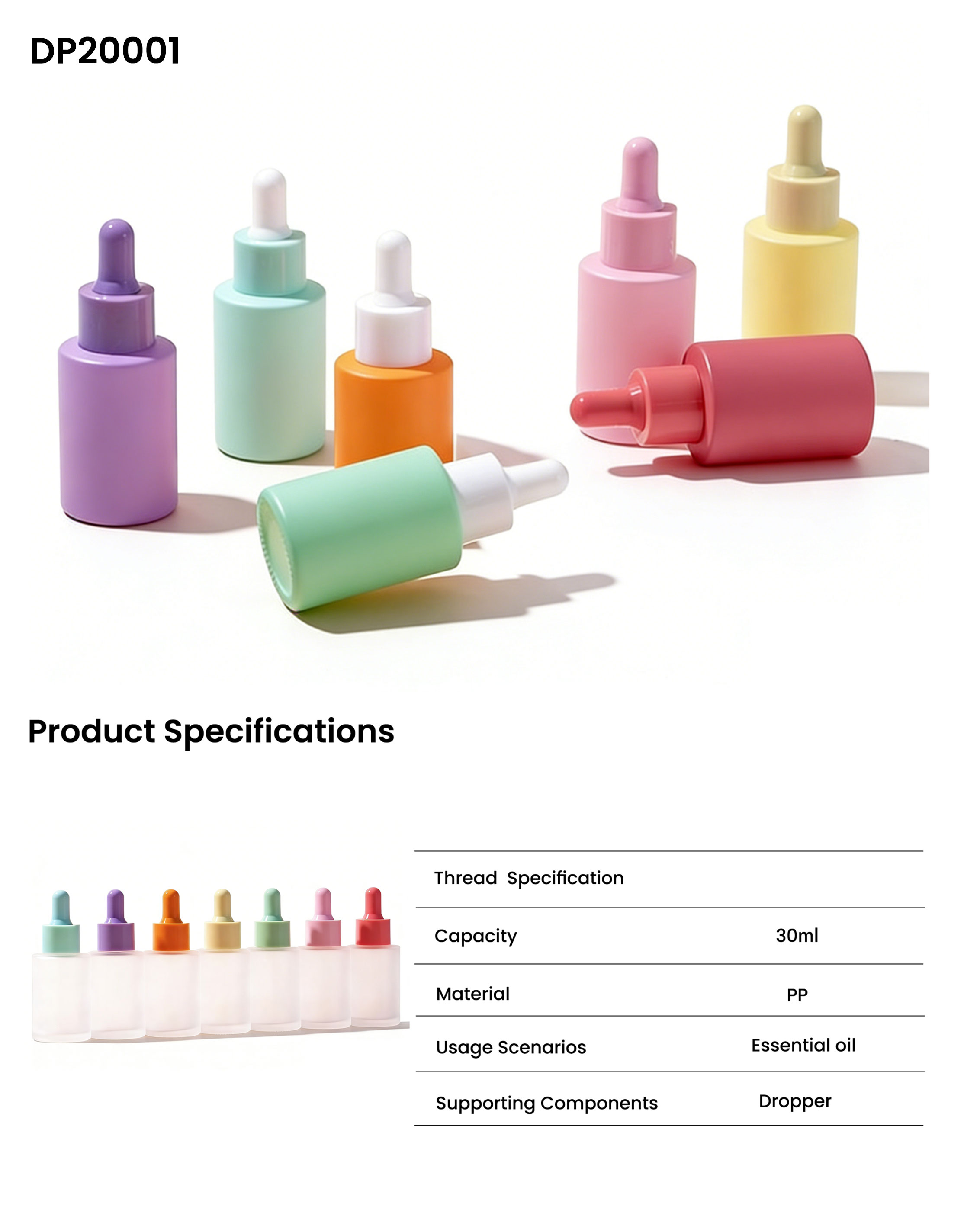
Glass has quietly earned its place as the preferred vessel for serums and essential oils, and not just for the way it catches the light on a vanity. Unlike most plastics, true glass is chemically inert, meaning it won’t slowly leach unwanted compounds into the delicate actives suspended in your serum or the volatile aromatic molecules in your essential oil blend. This matters because many serum formulations rely on fragile ingredients like vitamin C, retinol, or plant peptides that can degrade or change behavior when they come into contact with certain plasticizers or monomers. With glass, what you bottled on day one is what you get months later, no quiet chemistry experiment happening behind the label.
Then there’s the question of barrier performance. Essential oils are notorious escape artists—they are composed of small, volatile molecules that can migrate through many plastics over time, leading to a loss of potency, a change in scent, and occasionally a sticky film on the outside of the bottle. Glass, especially amber or cobalt glass, offers a near-impermeable wall that also filters out harmful UV light, which can oxidize delicate oils and botanical extracts. Plastic can be tinted, but it rarely matches the clarity and UV-blocking reliability of properly treated glass. That is why you will often see high-end serums and therapeutic-grade oils shelved in glass with dropper tops rather than squeezable plastic tubes, even if the latter would be cheaper to ship.
However, plastic is not automatically the villain in this story. Certain plastics—like PET or HDPE—are used in cosmetic packaging because they are lightweight, shatterproof, and can be molded into airless pumps that minimize oxygen exposure. For short-term use or travel sizes, high-quality plastic can be reasonable, especially if the formula is not highly reactive or if the plastic is lined with a protective barrier. The real issue lies in long-term storage and repeated exposure to heat, light, or aggressive solvents like citrus oils, which can accelerate plastic degradation. If you plan to keep a serum or essential oil blend for more than a few months, or if the product contains high percentages of limonene, linalool, or other penetrating terpenes, glass remains the safer, more stable choice. In the end, it is less about glass being perfect and more about plastic being a compromise you should only accept when portability or breakage risk truly demands it.
How to Avoid Leaky Dropper Bottles: Tips Before You Buy
The easiest way to dodge a leaking dropper bottle is to scrutinize the seal before you hand over your money. Twist the cap closed and give it a gentle squeeze—if you hear a faint hiss or feel air escape, that bottle is already betraying you. Many people skip this because it feels awkward in a store aisle, but a quick press test reveals more than any product description. Pay attention to whether the rubber bulb sits flush against the glass rim; even a tiny gap will let liquid creep out over time. And if you are buying online, zoom into customer photos instead of relying on polished marketing shots. Real users will show you the wet spots and sticky residues that sellers conveniently crop out.
Another sneaky culprit is the dropper insert itself. Those little plastic tips that snap into the neck of the bottle often warp after exposure to certain oils or alcohol-based serums. Before you commit, unscrew the cap and run your fingernail around the inner edge of the insert. If it feels loose or wobbly, put the bottle back. A snug fit should require deliberate pressure to remove, not a casual flick. For extra peace of mind, look for bottles where the dropper tip is made of a slightly softer plastic—they tend to grip the neck better and resist cracking after repeated use. Avoid narrow-neck designs if you plan to travel; pressure changes in a suitcase will find every weak point.
Finally, think about how you actually use the bottle. A leak-free design on day one might fail after a month of daily squeezing, especially if the cap threads are fine and easily cross-threaded. Choose bottles with wider, coarser threads—they are more forgiving when you are in a hurry and less likely to strip. If you have ever unscrewed a dropper and found a ring of crusty residue around the neck, that is not just messy; it is a signal that the seal is already compromised. Spend a little more on a bottle with a thicker glass lip or a silicone gasket inside the cap. Your bag, nightstand, and sanity will thank you.
Can You Reuse Dropper Bottles Safely? Here's What to Know
Reusing dropper bottles can be safe if you match the bottle material to what you're storing. Glass droppers clean up well with hot, soapy water and a thorough rinse, but plastic ones absorb oils and fragrances over time, making them harder to sanitize fully. I've reused amber glass dropper bottles for essential oil blends without any issues, but I wouldn't trust a plastic dropper that once held something like vitamin C serum for a DIY face oil.
The real risk isn't the bottle itself—it's the rubber bulb and the inside of the dropper tip. These parts trap residue and can harbor bacteria if they don't dry completely. If you're reusing a bottle for anything applied to skin or eyes, disassemble the dropper, boil the glass parts for a few minutes, and replace the bulb if it looks cloudy or cracked. For non-cosmetic uses like storing ink or craft supplies, a simple wash with rubbing alcohol is usually enough.
What's the Deal With Dropper Bottle Sizes? A Quick Guide
Dropper bottles come in all sorts of sizes, and if you've ever stared at a shelf wondering why one serum is in a 15 ml bottle while another looks identical but holds 30 ml, you're not alone. The truth is, there's no universal standard—brands pick sizes based on product viscosity, typical dosage, and sometimes just marketing. Most facial oils and serums sit in the 10 ml to 30 ml range, while tinctures and essential oils often use smaller 5 ml or 10 ml bottles because you only need a few drops at a time. The size of the dropper itself also plays a role: a larger bottle might have a dropper that dispenses bigger drops, which can mess with your dosing if you're not paying attention.
One thing people often overlook is how dropper size affects the actual drop volume. A 1 ml dropper from a 30 ml bottle might deliver smaller drops than a 2 ml dropper from a 60 ml bottle, even if both are labeled "one full dropper." That's why instructions like "take 1 ml daily" can be misleading—your dropper might not actually pull up exactly 1 ml unless it has clear markings. If you're using something with active ingredients, it's worth checking whether the dropper has graduated lines or just a plain glass tube, because that little detail can change your results.
So what should you actually look for? If you're buying a product for daily use, a 30 ml bottle is usually the sweet spot—not too bulky, lasts a couple months with regular use, and fits in most cabinets. For travel or samples, 5 ml or 10 ml sizes make sense, though you'll pay more per milliliter. And don't assume bigger is always better: a 50 ml bottle of vitamin C serum might seem like a deal, but if it oxidizes before you finish it, you've wasted money. Match the size to how fast you'll use it, and you'll avoid the most common dropper bottle headaches.
Why Some Dropper Bottles Cost $2 and Others Cost $20
The gap between a $2 dropper bottle and a $20 one often starts with the glass itself. Cheap bottles use standard soda-lime glass with inconsistent wall thickness, which can cause uneven dripping or even cracks under slight pressure. Higher-priced options use borosilicate or pharmaceutical-grade glass that resists thermal shock and chemical leaching—crucial when the contents are essential oils, serums, or lab reagents. You’re not just paying for a container; you’re paying for the assurance that the glass won’t react with what’s inside or shatter when you need it most.
Then there’s the dropper assembly—the part most people overlook. A budget bottle often pairs a basic rubber bulb with a cheap plastic or thin-walled glass pipette that delivers inconsistent drop sizes. Premium bottles use medical-grade silicone bulbs and precision-formed pipettes with calibrated orifices, ensuring each squeeze releases the same volume. For skincare formulators or herbalists, that repeatability matters more than the upfront savings. Add in UV-coated amber or cobalt glass to protect light-sensitive ingredients, and the price climbs because you’re buying performance, not just packaging.
Finally, consider what you can’t see: quality control and sourcing. A $2 bottle might come from a high-volume factory with loose tolerances, occasional defects, and no documentation. A $20 bottle typically includes batch testing, consistent thread fits for leak-proof caps, and traceability back to the glass manufacturer. For small businesses selling tinctures or luxury facial oils, a single leaking bottle can cost more in customer trust than a hundred premium bottles. That hidden reliability is often the real reason the price tag looks so different.
FAQ
Essential oils are highly concentrated and can react with certain plastics or clear glass over time. A suitable dropper bottle typically uses thick, dark glass that blocks UV light, along with caps made from materials like phenolic or nitrile that resist corrosion. The dropper tip should also provide a controlled, small-bore release, since most oils are thin and you rarely need more than a few drops at once.
Amber and cobalt blue glass significantly reduce light exposure, which helps preserve active ingredients like vitamin C, retinol, and botanical extracts. Clear glass can work if you store the bottle in a dark drawer or cabinet, but for daily use on a countertop, tinted glass is a safer choice. The color itself doesn't affect the serum's pH or potency, but it does slow down light-triggered breakdown.
Look for dropper caps that use silicone or nitrile bulbs instead of natural rubber, since these materials resist swelling and cracking when exposed to strong oils like lemon, tea tree, or peppermint. It also helps to wipe the glass pipette after each use and avoid storing the bottle upside down, which keeps oil from pooling against the bulb for long periods.
For travel, 10 ml to 15 ml bottles are ideal because they hold enough for a two-to-four-week trip while staying under most airline liquid limits. The smaller size also reduces the amount of air inside the bottle, which slows oxidation. If you refill from a larger home bottle, make sure the travel bottle has a cap that seals tightly enough to prevent leaks from pressure changes during flights.
Orifice size matters a lot. Standard droppers often release around 0.03 to 0.05 ml per drop for thin oils, but thicker serums or carrier oils may cling to the glass and form irregular drops. A wider opening helps heavier formulas flow smoothly, while a narrow opening gives better control for watery toners or pure essential oils. Before buying, check if the brand specifies the drop size or tests the bottle with viscous liquids.
Yes, but only after thorough cleaning and drying. Glass bottles and glass pipettes can be washed with warm soapy water, then rinsed with isopropyl alcohol to remove residue. Replace the rubber or silicone bulb if it has absorbed the previous oil's scent, because that can transfer into your new product. Also check for tiny cracks around the neck or pipette tip, since those can harbor bacteria or cause leaks.
For personal use, a tamper-evident seal is helpful when buying oils or serums online, because it confirms the product hasn't been opened or diluted. A child-resistant cap matters if you have young children or pets, especially since even small amounts of some essential oils can be harmful if ingested. If neither concern applies to you, a standard screw cap with a good liner is usually enough.
In practice, the terms overlap, but a dropper bottle typically has a built-in cap attached to a glass pipette, so you unscrew the whole assembly and squeeze the bulb to draw liquid. A pipette bottle may refer to a design where the pipette is separate or where the dropper inserts into a fixed collar. For skincare, the built-in style is more convenient and reduces contamination, while separate pipettes give you more precise control when mixing custom oil blends.
Conclusion
When it comes to keeping essential oils and serums at their best, amber glass dropper bottles earn their reputation for a reason—dark glass blocks UV light that can degrade sensitive ingredients, and glass won't react with most oils the way some plastics can. That said, not all glass is equal, and if you're on the go or worried about breakage, high-quality PET or HDPE plastic can be a practical short-term option, though it may allow more oxygen exchange over time and isn't ideal for long-term storage of potent actives. Before you click buy, check the dropper assembly: a tight-fitting rubber bulb, a snug glass pipette, and a cap with a good liner make a huge difference in preventing leaks. Many bottles fail because the rubber bulb doesn't seal properly or the pipette is slightly too short for the bottle's neck, so reading recent reviews for leak complaints can save you from a messy drawer.
Reusing dropper bottles is fine if you clean them thoroughly—hot soapy water, a bottle brush, and a vinegar or alcohol rinse help remove residue, but avoid reusing bottles that held strong-scented or oxidized oils unless you're okay with lingering traces. As for size, the most useful all-purpose options tend to be 15ml or 30ml for serums and facial oils, while 50ml or 100ml works better for body oils or carrier oil blends; smaller 5ml or 10ml bottles are great for travel or samples. Price differences come down to glass thickness, the quality of the dropper mechanism, UV-protective coatings, and brand markup. A $2 bottle may work for casual use, but a $20 one often has a more precise pipette, a tighter cap, and glass that withstands repeated sterilization without cracking. In short, the best dropper bottle isn't always the most expensive—it's the one that matches your oil's sensitivity, your usage habits, and your willingness to clean and maintain it.
Contact Us
Contact Person: Sunnie
Email: [email protected]
Tel/WhatsApp: +8615818596517
Website: https://www.imagine-craft.com/