

Silicon Steel Supplier: Your Ultimate Guide to High-Quality Electrical Steel
2026-01-22
In today's rapidly evolving electrical engineering landscape, finding a reliable silicon steel supplier can be the key to optimizing performance and efficiency in your projects. This comprehensive guide delves into the essentials of high-quality electrical steel, offering insights that empower you to make informed decisions. As you explore, you'll discover why Jiangsu Baowu New Materials stands out as a trusted partner in this field, delivering innovative solutions that meet the highest standards. Dive in to uncover practical tips, industry trends, and expert advice that will transform how you approach material sourcing.
Discover the Key Properties of High-Quality Silicon Steel
High-quality silicon steel, often referred to as electrical steel, stands out in the industrial landscape due to its unique composition and performance attributes. This specialized material typically contains a silicon content ranging from 1% to 6.5%, which significantly enhances its magnetic properties while reducing energy losses in electrical applications. The key to its superior performance lies in the careful control of alloying elements and microstructure. Manufacturers achieve this by precisely balancing silicon with other components like aluminum, manganese, or phosphorus through advanced metallurgical processes, ensuring the steel maintains high permeability and low hysteresis losses.
Another critical aspect of top-grade silicon steel is its grain orientation, which can be categorized into grain-oriented (GO) and non-oriented (NO) types. Grain-oriented silicon steel is engineered with a highly aligned crystal structure, often through cold rolling and annealing, which minimizes core loss and maximizes magnetic flux density in the direction of rolling. This makes it ideal for transformers and high-efficiency motors where directional magnetic fields are essential. In contrast, non-oriented silicon steel offers more isotropic magnetic properties, making it versatile for applications like rotors and stators in electric vehicles, where magnetic fields vary in multiple directions. The choice between these types depends on the specific electrical demands and design constraints of the device.
Beyond composition and orientation, surface treatment and insulation coatings play a pivotal role in the quality of silicon steel. High-quality variants often feature thin, durable oxide or phosphate-based coatings that reduce eddy current losses by providing electrical insulation between laminations. These coatings also enhance corrosion resistance and mechanical durability, extending the lifespan of electrical components. Additionally, advanced production techniques, such as laser scribing or stress relief annealing, can further optimize magnetic performance by reducing residual stresses. In practice, selecting the right silicon steel involves considering factors like operating frequency, temperature, and cost, with premium grades offering a balance of low core loss, high saturation induction, and long-term reliability that sets them apart in competitive markets.
Explore Leading Applications in Electrical and Electronic Devices
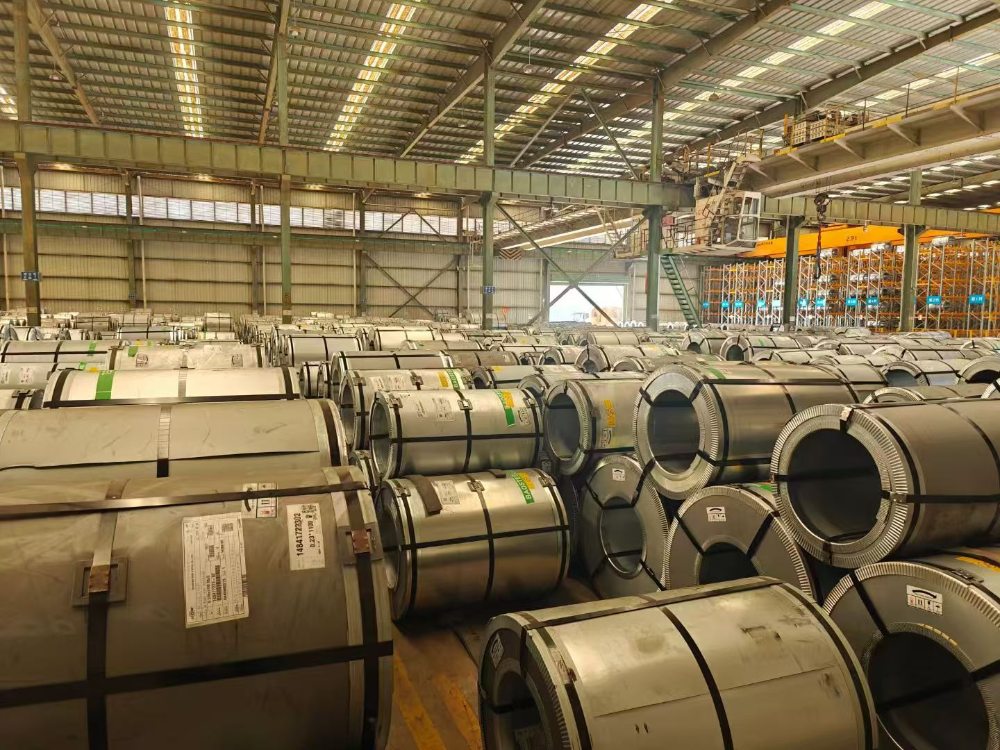
From smartphones to smart homes, electrical and electronic devices are driving innovation across industries, with applications that enhance daily life and transform complex operations. In consumer electronics, advancements in low-power sensors and flexible displays are enabling wearable devices that monitor health in real-time, while IoT connectivity allows appliances to adapt to user habits for improved energy efficiency. Beyond personal use, these technologies are pivotal in medical equipment, where precise electronic controls support diagnostic tools like MRI machines and portable monitors, making healthcare more accessible and accurate.
In industrial settings, electrical devices play a crucial role in automation and robotics, streamlining production lines and reducing human error. For instance, programmable logic controllers (PLCs) and embedded systems manage machinery with high precision, boosting productivity in manufacturing. Additionally, renewable energy systems rely on sophisticated electronic components, such as inverters and smart grids, to convert and distribute power efficiently, addressing global sustainability challenges and promoting cleaner energy sources.
Emerging fields like autonomous vehicles and smart cities further showcase the versatility of these devices, integrating sensors, processors, and communication modules to enable safer transportation and smarter urban planning. As technologies evolve, interdisciplinary applications are pushing boundaries, from aerospace electronics ensuring reliable satellite communications to nanoscale devices powering miniaturized medical implants, highlighting a future where electrical and electronic innovations continue to redefine possibilities across diverse domains.
Learn How to Source Reliable Silicon Steel Suppliers
When it comes to finding dependable silicon steel suppliers, it's crucial to start by understanding the specific properties your project requires, such as core loss levels or magnetic permeability. A reliable supplier should not only meet technical specifications but also demonstrate consistency in quality across batches. Instead of relying solely on online directories, consider attending industry trade shows or reaching out to professional networks in sectors like electrical manufacturing, where recommendations can lead to discovering lesser-known but highly reputable providers.
Evaluating potential suppliers goes beyond just reviewing product catalogs; it involves assessing their production capabilities, certifications (like ISO standards), and supply chain stability. Look for suppliers who openly share details about their sourcing of raw materials and testing processes, as transparency often correlates with reliability. Reading third-party reviews or case studies from other businesses in your field can provide unbiased insights into how well a supplier handles challenges like tight deadlines or custom orders.
Finally, building a strong relationship with your chosen supplier can enhance reliability over time. Regularly communicate your needs and feedback, and consider starting with smaller trial orders to gauge their performance under real-world conditions. This hands-on approach helps you avoid common pitfalls and ensures you partner with a supplier who aligns with your long-term goals for quality and dependability in silicon steel procurement.
Understand the Impact of Manufacturing Processes on Performance
From the forging of steel to the injection molding of plastics, the methods used to create a product play a pivotal role in defining its final performance metrics. Subtle variations in temperature, pressure, or material handling during production can lead to significant differences in durability, efficiency, and overall functionality. For instance, a heat treatment process might enhance the hardness of a metal component, making it more resistant to wear, while a cooling technique could affect the microstructure of a polymer, impacting its flexibility and strength. This intricate relationship highlights why understanding manufacturing nuances is crucial for achieving desired outcomes in any engineered system.
Beyond the physical attributes, manufacturing processes also influence performance through consistency and reliability. Advanced techniques like additive manufacturing allow for complex geometries that traditional methods cannot achieve, potentially improving aerodynamics or heat dissipation in aerospace or automotive parts. Conversely, cost-cutting measures in production might introduce inconsistencies, leading to premature failures or reduced efficiency. By delving into the specifics of each process, from CNC machining to extrusion, designers and engineers can tailor their approach to optimize performance, balancing factors like precision, cost, and environmental impact.
In today's competitive landscape, embracing innovative manufacturing strategies can be a game-changer for performance enhancement. Smart factories integrating IoT sensors and real-time monitoring enable fine-tuned adjustments during production, ensuring higher quality outputs. Case studies show that products manufactured with such attention to detail often outperform their counterparts in stress tests and real-world applications. Ultimately, recognizing how each step in the production chain contributes to the end product's capabilities empowers teams to innovate, reduce waste, and deliver superior results that meet evolving market demands.
Compare Different Grades and Their Suitability for Projects
When selecting materials for a project, understanding the various grades available is crucial to ensuring both performance and cost-effectiveness. Different grades, such as commercial, industrial, or premium tiers, often vary in factors like durability, purity, or specific properties, which directly impact their suitability. For instance, in construction projects, choosing a higher-grade steel might provide better corrosion resistance but at a premium, while a lower-grade option could suffice for temporary structures, balancing budget and functionality.
A practical approach involves assessing project requirements in detail. Consider factors like environmental conditions, expected lifespan, and regulatory standards—these can guide the grade selection beyond just technical specs. For example, in electronics manufacturing, using a medical-grade plastic instead of a standard one might be essential for biocompatibility, even if it increases costs, highlighting how project context often dictates the optimal grade choice.
Beyond technical considerations, real-world experience shows that grade suitability isn't always linear. Sometimes, a mid-grade material outperforms higher ones in specific applications due to unique blends or treatments, offering a cost-saving edge. Always test samples or consult case studies to avoid over- or under-specifying, ensuring the grade aligns seamlessly with project goals without unnecessary trade-offs.
Get Expert Tips on Optimizing Material Selection and Costs
Selecting the right materials doesn't just affect your budget; it directly impacts the durability and performance of your final product. Many professionals overlook the hidden costs associated with material choices, such as maintenance over time or compatibility issues with other components. By focusing on sustainability and lifecycle analysis, you can often find alternatives that offer better long-term value without compromising quality. It's a balance between upfront investment and future savings—getting it right can transform your project's outcome.
One effective strategy is to conduct thorough testing and prototyping with various material options. This hands-on approach allows you to assess factors like tensile strength, corrosion resistance, or thermal properties in real-world conditions, rather than relying solely on datasheets. If you collaborate closely with suppliers, they might suggest innovative blends or locally sourced alternatives that reduce shipping costs and lead times. This proactive engagement can uncover cost efficiencies you wouldn't have discovered through standard procurement channels.
Don't underestimate the power of cross-industry insights when optimizing material selection. For instance, techniques from the automotive sector might inspire lighter, more durable solutions for construction, or medical-grade materials could enhance safety in consumer products. By staying informed about emerging trends and technologies, you can anticipate shifts in material availability and pricing, allowing you to pivot quickly and maintain a competitive edge. Ultimately, a dynamic, informed strategy turns material selection from a routine task into a key driver of innovation and profitability.
FAQ
When selecting a silicon steel supplier, focus on factors like material purity, grade consistency, delivery reliability, technical support, and compliance with industry standards such as ASTM or IEC to ensure optimal performance in electrical equipment.
Silicon steel reduces core losses through its high magnetic permeability and low hysteresis, minimizing energy waste as heat, which enhances overall efficiency and lowers operational costs in devices like transformers and electric motors.
Suppliers typically offer grain-oriented (GO) and non-grain-oriented (NGO) silicon steel; GO has aligned grains for better magnetic properties in specific directions, ideal for transformers, while NGO provides isotropic properties suited for rotating machines like motors.
Coatings, such as inorganic or organic layers, prevent interlaminar short circuits and corrosion, improve durability, and ensure stable electrical performance by reducing eddy current losses in stacked cores.
Buyers should verify that suppliers conduct thorough testing for magnetic properties, thickness uniformity, and surface quality, backed by certifications and detailed documentation to guarantee material meets specific application requirements.
Factors like raw material costs, technological advancements in production, and demand from renewable energy sectors can influence availability and pricing, prompting suppliers to adapt offerings for competitive advantage.
Conclusion
Navigating the world of silicon steel suppliers demands a comprehensive understanding beyond basic sourcing. High-quality electrical steel, distinguished by key properties such as low core loss, high permeability, and specific silicon content, forms the backbone of efficient electrical and electronic devices. From transformers and motors to advanced electronics, leading applications rely on these materials for performance and energy efficiency. By comparing different grades, engineers can select the most suitable options for their projects, balancing technical requirements with cost considerations. This knowledge is crucial for making informed decisions that optimize both material selection and overall project costs.
To source reliable silicon steel suppliers effectively, it's essential to recognize how manufacturing processes—like cold rolling, annealing, and coating—directly impact the final product's performance. These processes influence magnetic properties and durability, making supplier expertise a critical factor. Expert tips often emphasize evaluating supplier certifications, production capabilities, and quality control measures. By integrating this awareness with an understanding of grades and applications, businesses can forge partnerships with suppliers who deliver consistent, high-quality materials, ensuring projects meet performance standards while managing expenses strategically.
Contact Us
Contact Person: Zoe Liang
Email: [email protected]
Tel/WhatsApp: 86 189 2128 6299
Website: https://www.baowuchina.com