

Sand and Gravel Washer Solutions for High-Quality Aggregate Production
2026-07-27
In today's competitive construction landscape, the cleanliness of sand and gravel can make or break the quality of your final product. Contaminants like clay, silt, and organic matter not only weaken concrete but also drive up costs and compromise structural integrity. This is where advanced washing solutions become a game-changer. At Sinou, we understand that achieving premium aggregates demands more than just basic rinsing; it requires precision, efficiency, and a deep understanding of material science. In this article, we’ll explore how modern washing equipment transforms raw feed into top-tier sand and gravel, ensuring your projects meet the highest standards while maximizing resource recovery and minimizing environmental impact.
When Dirty Aggregates Undermine Your Concrete Strength
It starts at the quarry, or even in the stockpile. When aggregates are coated with silt, clay, or organic matter, they form a barrier between the cement paste and the stone surface. The bond that normally develops during hydration is compromised, leaving your concrete weaker than the mix design intended. You might not see it during the pour, but those dusty fines prevent proper adhesion—and once the paste can’t grip the aggregate, strength takes a direct hit.
More than just a film on the surface, dirty aggregates introduce materials that actively interfere with cement hydration. Some clays swell when they contact water, creating internal stresses and micro-cracks before the concrete even sets. Others react chemically, consuming calcium hydroxide and disrupting the alkaline environment that protects reinforcement. The result isn’t just lower compression numbers; it’s a matrix riddled with vulnerabilities that accelerate deterioration under load and weathering.
Washing and proper handling seem obvious, yet on too many job sites the urgency to pour overrides basic quality control. Simple checks—like a silt test or even rubbing a handful of coarse aggregate between your palms—can reveal contamination that batch adjustments can’t fix. When you let fines ride into the drum, you’re not just adding filler; you’re trading long-term performance for short-term convenience. The concrete may look fine going in, but its hidden weakness will show up sooner than anyone expects.
Why Your Current Washing Setup Might Be Wasting Water
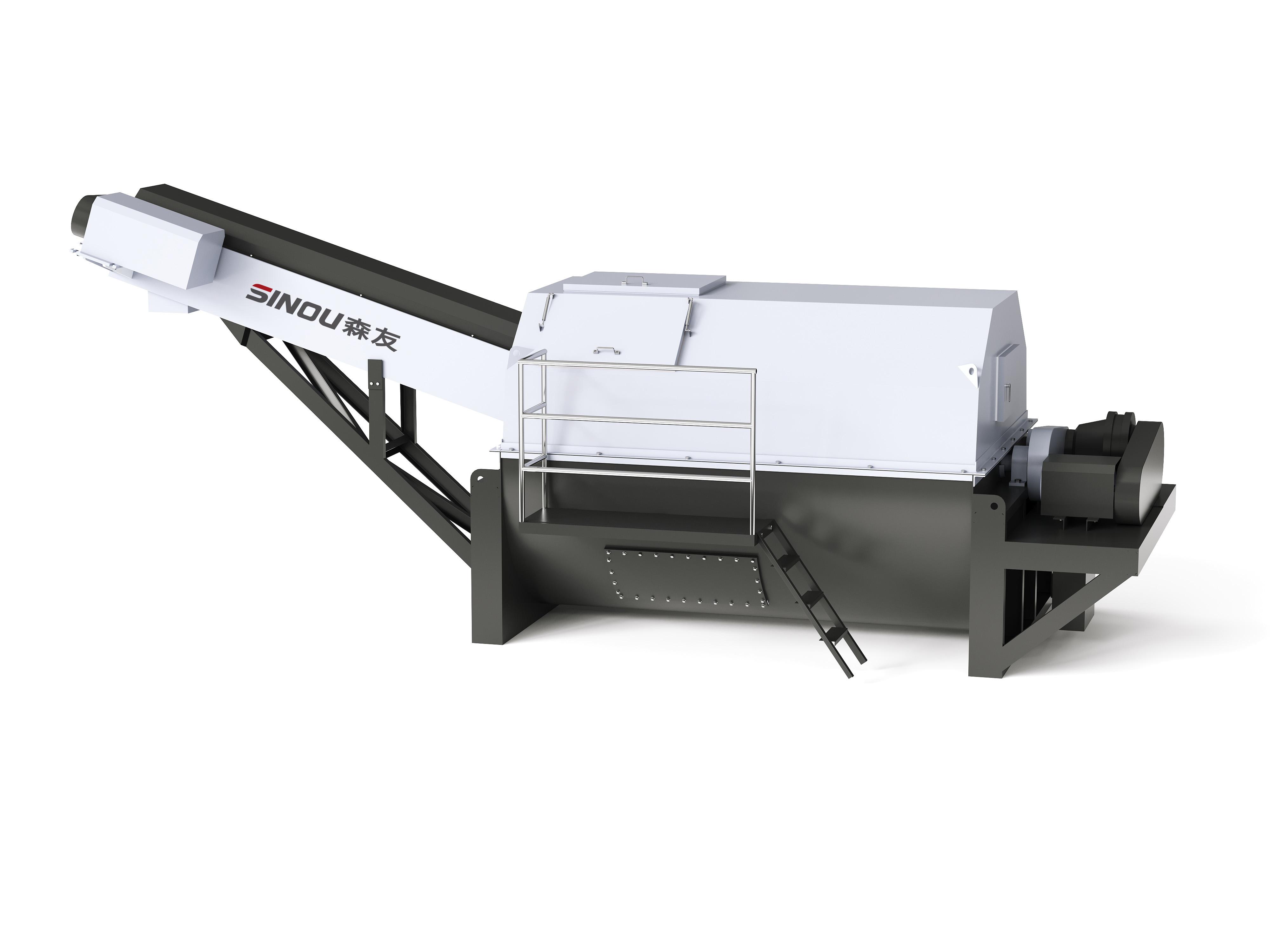
A lot of homes still run washing machines that were built before water efficiency became a real priority. These older models often lack load-sensing technology, meaning they fill the drum all the way up regardless of whether you’re washing a full basket or just a few shirts. That single design quirk can silently double or triple the water you use each cycle, and over months, those extra gallons really start to show up on the bill.
It’s not just the machine itself. Everyday habits play a surprisingly big role, like running a cycle on the “heavy” water setting for lightly soiled clothes or keeping that extra rinse option switched on when it isn’t needed. Small drips from hoses or connections are easy to overlook too, yet a slow leak can waste hundreds of liters a month without anyone noticing until the damage is done.
The Overlooked Link Between Clay Content and Pump Blockages
It’s easy to blame wear and tear when a pump clogs, but the real culprit often starts upstream—in the soil itself. Even modest clay percentages can drastically alter slurry behavior, turning what seems like a routine pumping job into a recurring headache. These fine particles don’t just thicken the fluid; they create a sticky, cohesive paste that adheres to impellers and interior walls, gradually choking flow paths in ways that sandy or granular materials simply don’t.
The trouble intensifies when clay particles flocculate or interact with other additives in the mix. Under certain chemical conditions, they form bridges and aggregates that resist shear, making the pump work harder and reducing its effective capacity. In many cases, the blockage isn’t a single large obstruction but a slow buildup of compacted layers that operators don’t notice until the system seizes. Recognizing this pattern early can save thousands in downtime and maintenance, especially in dewatering, mining, or tunneling projects where clay-rich soils are unavoidable.
How Sand Grain Shape Changes After Washing—and Why It Matters
When sand is washed, the grains don’t just get cleaner—they actually change shape. Natural sand grains are often coated with fine dust, clay, or organic films that cling to their surfaces, masking their true angularity. Washing strips away these coatings, revealing sharper edges and more irregular profiles underneath. You might think that water alone wouldn’t alter the physical form of something as hard as quartz, but the mechanical action of tumbling grains against one another in a wash plant gently abrades the surfaces, rounding off the sharpest points over successive cycles. The resulting shape shift is subtle but measurable: washed sands tend to have a slightly smoother, more spherical appearance compared to their raw, freshly dug counterparts.
Why does this transformation happen? It’s a combination of chemical and physical processes. The water dissolves and carries away soluble minerals like carbonates that can cement tiny particles to grain surfaces. Simultaneously, the constant friction during pumping and screening acts like a miniature rock tumbler, grinding down microscopic projections. The intensity of change depends on the washing method—high-pressure water jets and vigorous agitation create more rounding, while gentle rinsing preserves original textures. Interestingly, sand with softer mineral compositions, such as limestone sand, will show much more dramatic shape evolution than tough, quartz-rich sand, which barely erodes under similar conditions. Even the duration of washing matters: extended processing gradually turns crushed, manufactured sand into something that mimics the smooth, water-worn grains of a riverbed.
The altered grain shape matters more than most realize. In construction, the angularity of washed sand directly affects concrete strength—too smooth, and the cement paste struggles to grip the grains, reducing tensile strength; too angular, and the mix demands more water, weakening the final set. Beyond concrete, filter systems rely on consistent grain shapes to maintain flow rates and trapping capacity; a change from sharp to rounded can create channeling, allowing contaminants to pass through. Even ecological habitats are impacted: beach nourishment projects that use overly rounded sand may erode faster because spherical grains pack differently under wave action, altering the slope and stability of the shoreline. Recognizing these subtle shifts—washed vs. unwashed, sharp vs. smooth—offers a powerful lever for engineers and environmentalists alike to fine-tune material performance.
Not All Sand Washers Handle Silty Material the Same Way
The way a sand washer handles silty material comes down to its working principle. Some machines rely on heavy scrubbing action, while others use a more gentle washing process. This difference matters because silt particles, being finer than sand, can easily be washed away—but only if the equipment is designed to do so without losing the valuable sand fraction.
Spiral sand washers, for instance, use a continuously rotating screw to agitate the material, which helps dislodge silt and clay from sand grains. However, the pitch and speed of the screw directly affect how long the material stays in the wash zone. Too quick, and fines may not be fully removed; too slow, and you risk carrying over excess water with suspended silt into the clean sand pile.
Bucket wheel sand washers take a different approach. They lift the sand out of the water bath, letting silt and lightweight impurities overflow the weir. The design of the bucket perforations and the rate of water flow can be tuned to target specific particle sizes. That’s why two machines that look nearly identical on the outside can deliver drastically different results when dealing with silty deposits—even small design details matter more than they first appear.
Simple Sampling Errors That Skew Your Contamination Results
Even the most advanced testing equipment can’t salvage results when a sample is collected carelessly. Rushing through the collection step often introduces invisible mistakes: touching the inner rim of a sterile container, leaving a lid off for too long, or using a swab that’s been sitting out unwrapped. These actions allow bacteria, dust, or skin flakes to slip into the sample, creating contamination that didn’t come from the actual environment or surface being tested. The outcome is a cycle of re-tests and wasted resources, all because of a few seconds of inattention.
Another common error happens long before the laboratory receives the sample—improper labeling or incomplete chain-of-custody records. When a sample bag is marked with a smudged date or an unclear location code, the lab is forced to guess or reject the sample outright. Even worse, a missing timestamp can trigger a full investigation, costing days of work and raising uncomfortable questions about data integrity. Such slip-ups don’t just compromise a single result; they cast doubt on the entire monitoring program.
Selection bias in sampling points also distorts contamination data far more than most realize. Repeatedly wiping the same easy-to-reach surface while ignoring trickier spots creates a sanitized version of reality. High-touch areas like door handles or equipment buttons may appear clean simply because they’re never chosen. Over time, this selective blindness builds a false sense of security, leaving genuine hygiene risks to grow unchallenged. Diversifying collection sites isn’t a luxury—it’s the backbone of a trustworthy surveillance effort.
FAQ
Screw sand washers handle high throughput and clay-heavy materials well, while wheel sand washers offer energy efficiency and simpler maintenance.
Installing a fine sand recovery unit that pairs hydrocyclones with dewatering screens recovers most fine particles, minimizing waste.
For high clay content, pre-washing stages or double-wheel washers are recommended, along with extended washing time to break down clay lumps.
Yes, using settling ponds or water treatment systems allows the wastewater to be purified and reused, cutting costs and reducing environmental impact.
Regularly lubricate bearings, clear screen blockages, inspect screw flights or wheel bucket wear, and replace wear parts promptly.
Mobile plants offer flexibility across job sites, quick setup without foundations, and lower transportation costs for multiple projects.
Throughput capacity, feed size, clay content, water consumption, footprint, and the required sand cleanliness and gradation.
Conclusion
Achieving high-quality aggregate production hinges on effective washing solutions that address a range of hidden problems. When dirty aggregates make their way into concrete mixes, the resulting loss in strength can undermine structural integrity, while inefficient washing setups waste water and drive up operational costs. The often-overlooked issue of clay content not only compromises aggregate cleanliness but also leads to pump blockages that halt production. Beyond contamination removal, the washing process itself alters sand grain shape—a subtle shift that significantly impacts concrete workability and long-term performance. Not all sand washers are equal when facing silty material; some simply cannot dislodge the fine particles that cling stubbornly to sand grains, leaving a coating that weakens the bond with cement paste.
Careful attention to sampling procedures is equally critical, as simple errors can skew contamination readings and lead to misguided decisions about washing effectiveness. A well-chosen sand and gravel washer solution tackles these interconnected challenges by efficiently stripping away deleterious materials, preserving grain shape, minimizing water consumption, and ensuring consistent output that meets rigorous specifications. By integrating robust washing technology with vigilant process control, producers can reliably deliver aggregates that enhance concrete strength, prevent costly equipment downtime, and maintain the trust of demanding construction projects.
Contact Us
Contact Person: HaiYan
Email: [email protected]
Tel/WhatsApp: +86 18957325588
Website: https://www.senyoubeton.com/