

RF Skin Tightening Machine Manufacturer: Key Questions to Ask Before Partnering
2026-09-25
Choosing the right RF skin tightening machine manufacturer isn’t just about specs—it’s about trust, long-term support, and the real-world results your clients will see. With so many suppliers claiming the latest radiofrequency innovation, how do you cut through the noise? Whether you’re opening a new aesthetic clinic or upgrading your current lineup, the questions you ask before signing a partnership can make or break your business. From treatment efficacy and safety certifications to after-sales training and spare parts availability, every detail shapes your success. At Omeina, we’ve learned that the right manufacturer acts as a true growth partner, not just a vendor. This guide walks you through the essential questions to ask so you can avoid costly mistakes and build a collaboration that elevates your brand and keeps your clients coming back.
Can You Tour Their Facility Before Signing Anything?
A tour tells more than a sales pitch. But not every factory opens its doors willingly. If they hesitate or only offer a video call, that's a signal. Ask for a walk-through during working hours, not a scripted weekend tour. Watch who greets you, whether the floor matches the photos, and if staff seem familiar with the equipment.
While touring, focus on details that can't be staged easily. Look at maintenance logs near machines, the condition of raw material storage, and whether workers are actually producing or just standing around. A clean but idle line can hint at slow orders. Ask to see a live production run, even a small one, to gauge real capability and quality control.
Finally, confirm that the facility matches the legal entity and address on the contract. If you're told the "main plant" is elsewhere, ask why. A legitimate supplier should welcome your visit, because it proves they have nothing to hide. If they make excuses after you've asked twice, walk away before signing.
How Do They Source Their RF Components?
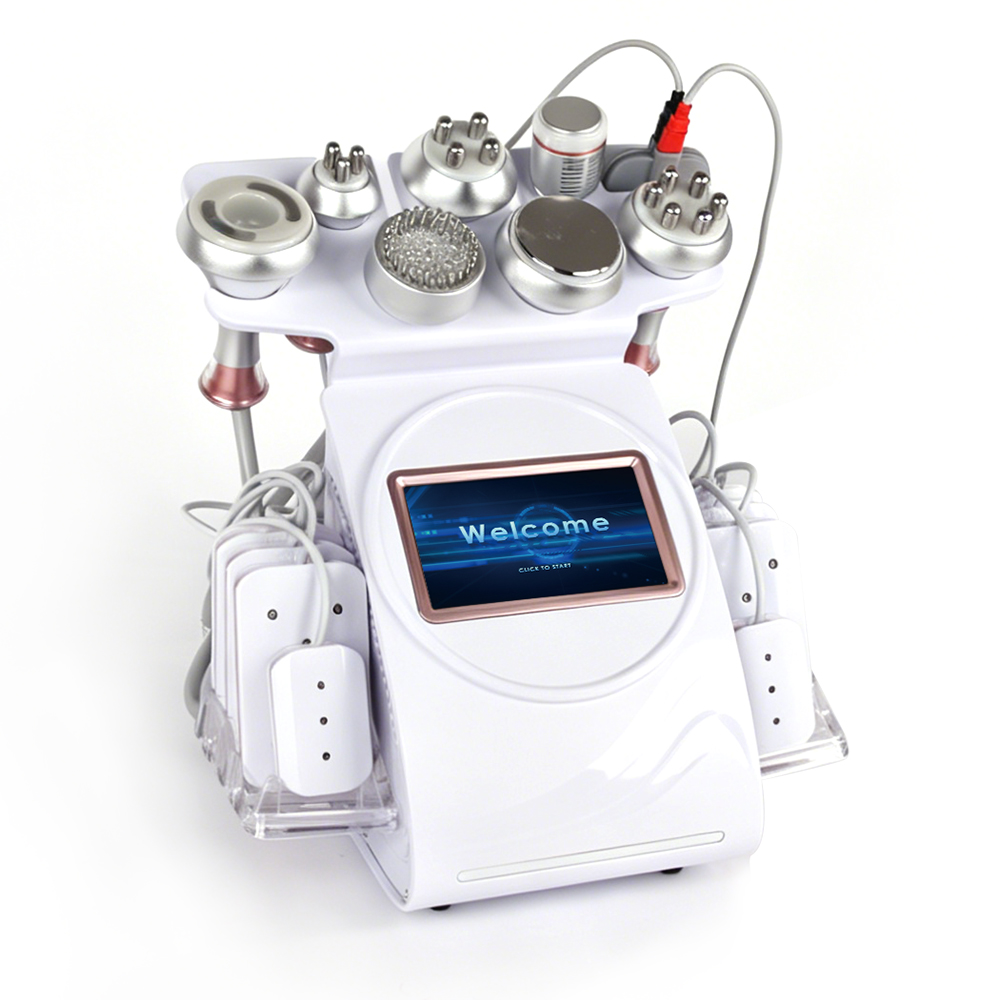
Rather than pulling parts from a broad distributor pool, they work directly with a short list of RF-focused suppliers who have proven process control. Each wafer lot and package batch gets tied to an internal traceability code, so if a batch drifts in later production, they can trace it back to a specific fab run or plating line. This isn't just paperwork—their sourcing team visits supplier facilities at least once a year and watches how dielectric layers are deposited and how bond wires are attached.
Incoming lots don't get waved through based on a datasheet. Their lab puts every new RF component through a set of curves that most catalogs don't show: S-parameters across temperature, phase noise under vibration, and linearity at the edge of the specified band. They also pull samples for destructive physical analysis, slicing open a few parts from each reel to check for voids in the die attach or uneven metallization. If a supplier changes a subcontractor without notice, that lot is quarantined until it passes a second round.
For long-lead or custom-tuned parts—like filters with unusual bandwidths or LNAs with specific noise figures—they often skip the standard catalog entirely and co-develop with the supplier. That means their engineers sit in on the supplier's design reviews and share board-level impedance data before the part is even taped out. This gives them parts that aren't just equivalent to what's on the market, but are matched to their actual front-end layout and power supply ripple.
What Does Their Warranty Actually Cover—and Exclude?
Read the fine print and you'll often find that the "lifetime" guarantee only applies to manufacturing defects, not the daily wear and tear that actually kills most products. Zippers, stitching, and coatings are frequent exclusions, even on premium gear. If a seam splits after two years of normal use, many brands will call it 'abuse' and leave you holding the repair bill.
Some companies bury transferability clauses—so if you buy secondhand, the warranty is void. Others require you to pay shipping both ways, plus a processing fee that nearly equals the cost of a new item. And don't expect coverage for cosmetic issues like faded fabric or scuffed corners, no matter how much you paid. The gap between marketing promises and actual policy language can be surprisingly wide.
Before you rely on that warranty card, test the claims process yourself. Email their support with a specific question and see if you get a human or a canned response. A warranty is only as good as the company's willingness to honor it without a fight.
Have They Handled Recalls or Safety Incidents in the Past?
Looking at how a brand has dealt with past recalls tells you a lot about whether safety is actually a priority or just a marketing line. Some companies spot a problem on their own and move quickly, while others drag their feet until regulators force them to act. That difference matters more than the number of recalls alone.
The way a recall is handled can be just as revealing. A transparent announcement, clear instructions for affected customers, and a straightforward repair or replacement process show genuine accountability. On the other hand, vague messaging, long delays, or making customers jump through hoops usually point to a company trying to limit costs rather than protect people.
It's also worth checking what happened after the dust settled. Did the company identify the root cause and change its production or testing methods? Did it issue follow-up updates to owners? Brands that treat a recall as a chance to fix underlying problems tend to be more reliable over time, while repeat safety issues in the same area are a clear warning sign.
Will They Provide Ongoing Marketing Assets for Your Clinic?
Most clinic owners get a few polished posts during onboarding and assume the flow will continue. That rarely happens. Before signing any agreement, ask for a clear outline of how often new graphics, email copy, and social media templates are delivered—and whether they're customized to your services or just generic stock edits.
Some agencies charge separately for each refresh, while others bundle monthly content packages that include seasonal promotions and patient education pieces. Look for a partner who can hand over editable files, not just final exports, so your front desk team can make quick updates when schedules shift or a new provider joins. If their answer is vague about ownership and turnaround times, you'll likely end up doing the creative work yourself.
The real test is what happens after the first 90 days. Ask for a sample content calendar and a revision process that doesn't require a dozen emails. Ongoing assets should feel like an extension of your brand, not something pulled from a template library. A dependable provider will show you exactly what's in the pipeline before you ask.
Are Their Machines Compatible With Other Aesthetic Devices You Already Own?
Most clinics don't start from zero, so the real question is whether the new machine plays well with the tools already sitting in your treatment room. Some manufacturers keep their handpieces and connectors proprietary, which means you might end up with a second cart for no reason. Others design their platforms to accept third-party attachments or at least run alongside existing radiofrequency and laser units without interfering.
Compatibility goes beyond physical plugs. Energy-based devices can interfere with each other if used too closely or on the same client within a short window, especially when you mix modalities like IPL, HIFU, or microneedling RF. A good supplier will walk you through treatment spacing and whether their system's software can store protocols from other brands or at least export client settings cleanly.
Before committing, ask for a side-by-side demo where you bring in one or two of your current handpieces. Check if the new machine's cooling, suction, or grounding requirements clash with older units. Often the easiest fix is a different power strip or a short calibration, but you want to see that in person, not in a brochure.
FAQ
Ask for the device's medical device clearance if it's marketed for therapeutic use, plus electrical safety test reports like IEC 60601-1 and EMC compliance. Don't just accept a CE mark—request the Declaration of Conformity and the notified body's certificate number so you can verify it independently. If they claim FDA clearance, pull up the 510(k) summary on the FDA database yourself.
Request a power output calibration report from a third-party lab, not just the manufacturer's own specs. Ask them to demonstrate a 30-minute continuous run while you measure temperature on a tissue-mimicking phantom. A machine that overheats or drops energy after 10 minutes will cause inconsistent results and client complaints.
Find out how many shots or hours the handpiece is rated for before performance degrades, and get the exact replacement price in writing. Ask whether the handpiece has a sealed tip to prevent gel ingress or if it needs regular internal cleaning. Some manufacturers hide the true cost in disposable tips that wear out every 100 treatments.
Ask for case studies or before/after photos from patients with Fitzpatrick skin types IV–VI, since RF can cause hyperpigmentation if parameters are wrong. Request their recommended treatment matrix for different body areas and skin thicknesses. A manufacturer that only provides one generic setting for all clients doesn't understand real-world use.
Get a written service level agreement that states maximum response time for remote troubleshooting and on-site repair. Ask who provides the training—an engineer or an aesthetic trainer—and whether they offer follow-up sessions after your staff has used the machine for a month. If they can't name a specific support contact and response window, move on.
Request contact information for at least three buyers who have owned the machine for over a year, not just new customers. Then ask those references about unplanned downtime, hidden repair costs, and whether the manufacturer honored warranty claims. A manufacturer that refuses to provide long-term references is hiding something.
Ask if they can preload your clinic's logo, custom treatment protocols, and preferred language on the touchscreen. Find out whether you can lock certain parameters so staff can't accidentally exceed safe energy levels. Customization shouldn't just be a different colored shell—it should make the machine easier to use for your specific clientele.
Read the warranty terms line by line. Look for exclusions on the RF handpiece, cables, and power supply—those are the most common failure points. Ask what happens if a part fails after the warranty expires: do they offer refurbished parts or only new ones at full price? A trustworthy manufacturer will provide a spare handpiece loaner program or discounted repair kits.
Conclusion
Choosing an RF skin tightening machine manufacturer is less about glossy brochures and more about the unglamorous details you verify in person. Insist on walking through their production floor before any contract lands on your desk—watch how components are handled, ask who supplies the RF modules, and whether those parts are traceable to reputable electronics sources. A manufacturer that hesitates to open its doors or gives vague answers about sourcing is already telling you something. Then dig into the warranty language. Too many clinic owners discover after a breakdown that the 'comprehensive coverage' excludes the handpiece, the capacitor, or even the software updates that keep the device functional. Get a written list of what's covered, what's excluded, and how quickly replacement parts ship to your country.
Equally important is the manufacturer's track record when things go wrong. Ask directly about past recalls, safety incidents, or field corrections—and pay attention to whether they answer with transparency or deflection. A company that owns its history and shows you corrective actions is far safer than one that claims perfection. Beyond safety, look for a partner who will help your clinic actually use the machine profitably. That means ongoing marketing assets: before-and-after photo templates, social media content, treatment protocols, and client education materials. Finally, confirm compatibility with your existing aesthetic devices. If the new RF unit cannot communicate with your practice management software or physically work alongside your laser platform, the integration friction will eat into your return on investment. These questions may feel confrontational, but a manufacturer worth partnering with will welcome every one of them.
Contact Us
Contact Person: Tina Liu
Email: [email protected]
Tel/WhatsApp: 8618681405932
Website: https://www.omeinabeauty.com/