
Reliable Bus Shelter Features That Improve Commuter Safety and Comfort
2026-11-24
Commuter safety often comes down to details nobody notices until they're missing: a dry seat, a clear line of sight, a light that works after dark. The most reliable bus shelters quietly handle all three. zemso focuses on those overlooked features, turning an ordinary wait into a safer, more comfortable break.
Lighting That Leaves No Corner of the Shelter in Shadow
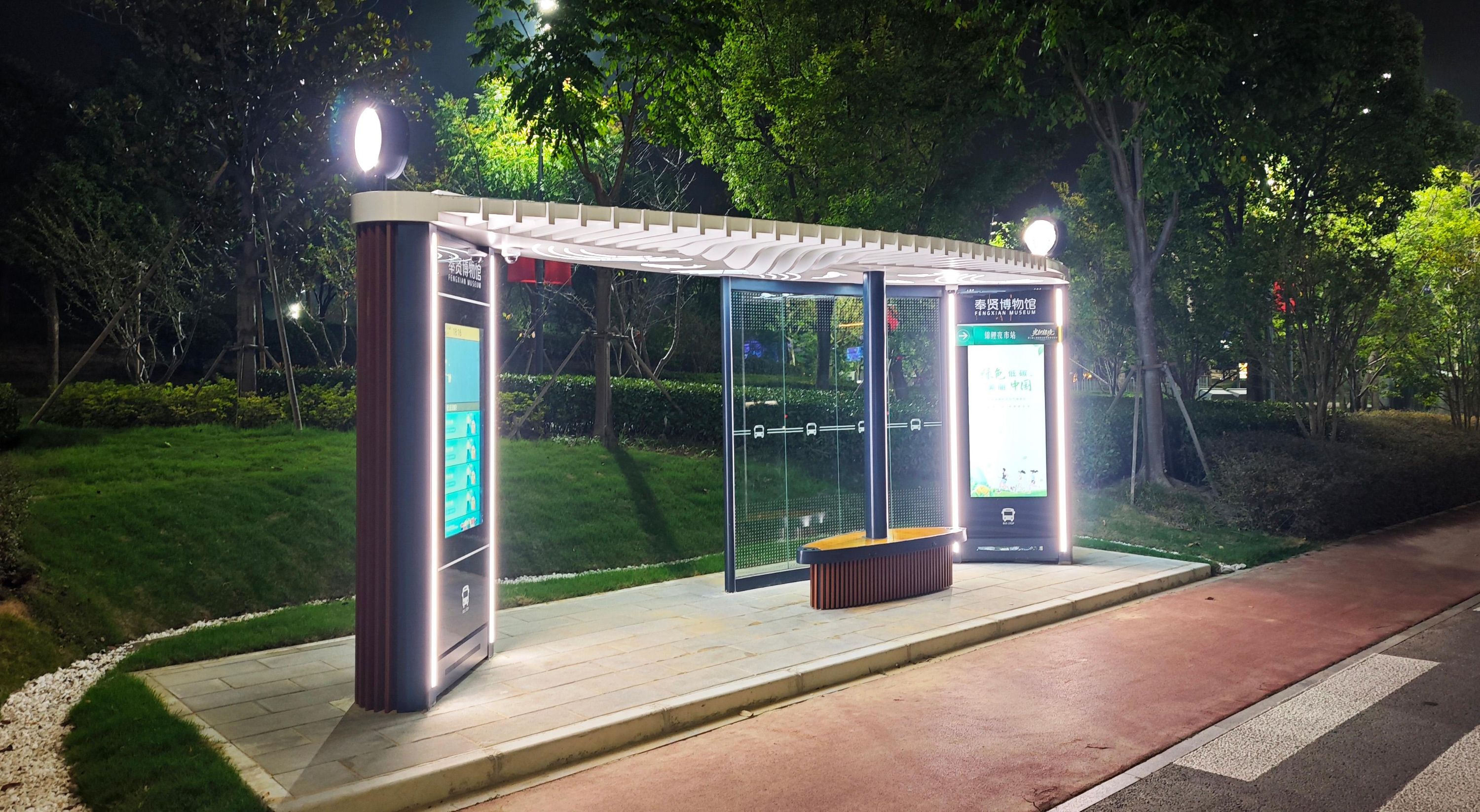
Most shelters rely on a single overhead strip, which leaves the edges feeling uneasy after dark. Here the light is layered rather than thrown from one direction. Low-level fixtures near the floor catch the base of benches while a broad, diffused panel overhead washes the ceiling and bounces back into the middle of the room. The glow feels even without turning the place into a showroom.
The entry and the far corners get the most attention because those are the places people hesitate. Small adjustable heads point toward the door frame and the back wall, but they are shielded enough that nobody has to squint. Around the seating area, light drops close to shoulder height so faces stay readable and the space feels safer without becoming a harsh fluorescent box.
After dark the shelter still feels open rather than hollow. Warm reflections off the metal roof and polished floor keep the light moving past the edge of each beam. Even the storage nook and the water station stay visible without extra fixtures. It is a quieter kind of coverage, one that works because the shadows never get a chance to settle.
Seating Built for the Wait That Actually Happens
Most waiting room chairs assume a short, tidy pause: sit upright, keep your bag on your lap, and stare at the wall. Real waiting rarely unfolds that way. People slump, lean sideways, tuck a leg beneath them, or balance a laptop on one knee while a jacket spills onto the next seat. The design here starts from those unpolished moments, giving each position enough room to shift without forcing the person beside you to absorb your elbows and bags.
Armrests are kept narrow but useful, so they support a forearm or a coffee cup without becoming barriers when you want to turn toward a companion. Seat depths and back angles vary subtly across a row, which means the same bench can hold someone reading, someone dozing, and someone halfway through a tense phone call without making any of them feel conspicuous.
Materials were chosen for the accumulated minutes, not the showroom glance. Fabrics resist the slow rub of denim and the occasional spill, while the frame stays quiet when people shift their weight. It is seating that stops pretending the wait will be short and instead makes the longer, messier, realer version feel less like a penalty.
Roof Overhangs Sized for Wind-Blown Rain and Sudden Downpours
Roof overhangs rarely get the attention they deserve until a sudden cloudburst turns a modest eave into the difference between a dry wall and a damp, stained interior. The logic is straightforward: wind-driven rain does not fall straight down, so a deep overhang acts as a shield that catches slanting droplets before they reach windows, siding, or foundation vents. In regions where summer storms arrive with almost no warning, even an extra six inches of projection can redirect the splash zone away from vulnerable joints and trim.
Rather than relying on a single standard depth, it helps to read the local weather patterns. Houses exposed to open terrain or coastal gusts often benefit from overhangs that reach eighteen to twenty-four inches, while sheltered lots may do fine with twelve to sixteen. The underside shape matters too—rolling or sloped soffits push air and water outward instead of letting moisture linger at the fascia line. Pairing a deeper eave with a drip edge and properly flashed corners prevents the slow capillary creep that shows up years later as paint failure or rot near the wall-to-roof connection.
Builders sometimes shorten overhangs for a crisp, modern look, but that choice can quietly invite trouble in downpour season. A practical compromise keeps the clean profile while adding a concealed gutter or a shallow kick at the outer edge to break the water film. The goal is not just shedding water off the roof, but getting it far enough away from the building envelope so that wind-blown rain loses its force before reaching the most weather-exposed parts of the house.
Arrival Screens That Spare Riders the Curb Lean
There’s a small, familiar ritual at street-level transit stops: someone leans past the shelter, eyes fixed down the road, trying to will a bus or tram into view. Arrival screens quietly end that routine. Instead of guessing, riders get the next few departures at a glance, with countdown minutes and route numbers visible from the bench. The screen does the peering so people can keep their weight off the curb and their attention on a book, a call, or just staying out of the rain.
Good placement matters as much as the data itself. When a display is mounted at the shelter’s back edge or angled toward waiting areas, it pulls the crowd away from the roadway. The clearest ones stick to big route numerals, a short destination, and a single minute figure. No tiny scrolling text, no buried service alerts. Readability from ten feet away means someone carrying groceries or pushing a stroller doesn’t have to get close to traffic to figure out whether the wait is two minutes or twelve.
The effect is subtle but noticeable during bad weather and late evenings. Riders cluster near the shelter instead of spilling toward the curb, and the stop feels less like a place where everyone is anxiously searching for headlights. One well-positioned screen won’t fix a delayed route, but it removes the low-grade tension of not knowing. That’s often enough to change how people stand, wait, and breathe at the curb.
Slip-Resistant Surfaces That Handle Wet Shoes Without Worry
Most floors feel fine until shoes are wet, then the whole walk changes. These surfaces are built around the way water actually moves underfoot, using a mix of fine texture and just enough give to stop the slick film from forming.
Instead of relying on a single rough layer, the grip comes from small channels and a slightly matte finish that let soles push water aside. That means a quick dash from the door or a spill near the sink doesn't turn into a balancing act.
They also hold up under regular cleaning. A damp mop won't leave a slick residue, and the texture doesn't trap dirt the way some heavy anti-slip coatings can, so the floor stays safe without looking industrial.
Step-Free Access From Sidewalk to Shelter Without Detours
Getting to the shelter shouldn't require a detour or a workaround. The path from the adjacent sidewalk stays level from edge to entrance, with no steps, raised seams, or tight corners that force anyone to turn back. The surface remains firm and slip-resistant in wet weather, allowing a wheelchair, walker, stroller, or rolling bag to move straight from the public walkway into the covered area without shifting to the street.
The approach aligns directly with the curb ramp, so there is no need to search for an alternate crossing or travel along the gutter. The ramp lip meets the pavement at the same grade and leads into the shelter opening in one uninterrupted line. Inside, the clear turning space is generous enough to reposition without backing into traffic or crowding others who are already waiting.
Coverage begins before the threshold, closing the gap between open sky and shelter roof so nobody is left exposed to rain or harsh sun at the entry point. Any slight grade change is handled with a low, smooth transition rather than a step. The result is a direct, intuitive route that makes the shelter feel like a natural extension of the sidewalk.
FAQ
Look for full weather protection with deep overhangs, not just a token roof. Side panels that block wind-driven rain and a slight forward slope on the canopy keep the waiting area dry without turning it into a wind tunnel.
Even, downward-facing LED lighting removes harsh shadows where people feel exposed. Motion-activated brightening helps save energy while still giving a clear view of faces and surroundings at night.
Powder-coated steel or aluminum frames resist scratches and rust, while polycarbonate glazing is much harder to crack than standard glass. Graffiti-resistant coatings also make cleaning faster without replacing panels.
Yes, because they reduce the uncertainty that makes waits feel longer. A clear display showing the next two or three arrivals, along with service alerts, lets people decide whether to wait, walk, or call for a ride.
Perch-style leaning rails and contoured benches with center armrests offer short-term rest. Durable slatted metal or recycled plastic stays cooler in summer and dries quickly after rain.
Keep a clear turning space of at least 1.5 meters inside, provide a curb ramp aligned with the front door, and place the push button or help point within reach from a seated position. Avoid cluttering the entry with bins or signs.
They create a sense of oversight without requiring a guard on site. A highly visible help point can connect to transit security or emergency services, while cameras with good nighttime resolution deter harassment and property damage.
A sealed glass box becomes unbearable in summer. Perforated metal screens, open ends, or a raised rear gap allow hot air to escape while still blocking rain, so the shelter stays cooler without relying on air conditioning.
Conclusion
A bus shelter earns its keep in the details that are easy to overlook until the weather turns or the wait stretches. Lighting that reaches into the corners removes the shadowed spots where people feel uneasy settling in, and it makes the shelter visible from a distance as the evening rush winds down. Seating built at a sensible height, with a back and enough room for groceries or a work bag, makes a twenty-minute gap feel less like standing in limbo. Roof overhangs sized for wind-blown rain do the quiet work of keeping riders dry when the storm arrives sideways. Arrival screens placed away from the curb let people check the next bus without leaning into the roadway to guess.
What happens underfoot matters just as much. Slip-resistant surfaces hold wet shoes steady, so a slick platform doesn't turn a routine step into a fall. Step-free access from the sidewalk removes the need to backtrack or navigate around barriers, which matters for anyone with a stroller, a cane, or simply tired legs. These features rarely draw attention, but they change the experience of waiting. Instead of asking riders to adapt to the shelter, the shelter adapts to the way people actually move through the day, and that is what makes an ordinary stop feel dependable.
Contact Us
Contact Person: Leo
Email: [email protected]
Tel/WhatsApp: +86 18901905138
Website: https://www.zemsogroup.com/