

Professional Gift Box Ideas That Impress Clients and Elevate Your Brand
2026-10-07
When you hand a client a gift, the box is the first thing they see—before the logo, before the ribbon, before the product inside. That moment is your brand's quiet handshake. So why settle for off-the-shelf packaging that says nothing? In this post, we'll unpack professional gift box ideas that don't just hold a present—they elevate your business in your client's eyes. And for packaging that matches your ambition, Kuaijie Carton builds boxes worth remembering.
Why Your Clients Will Actually Keep This Gift (Not Regift It)
Most corporate gifts end up in a drawer, a white elephant pile, or someone else's hands by February. The reason isn't lack of effort — it's lack of fit. When a gift feels generic, it signals that the relationship is generic too. That's why we design every item to solve a specific, recurring problem in your client's daily life, not just occupy space on a desk. A well-chosen tool or accessory that quietly improves their routine gets used without thinking, and that repeated use builds a subtle but durable association with your brand.
The key is utility with a personal edge. Instead of a logo-stamped mug, think of something your client would buy for themselves if they knew it existed. It should be the kind of object that earns a permanent spot in a bag, on a keychain, or next to a laptop — because it actually works better than what they already have. When a gift becomes a small upgrade to their everyday carry, regifting it feels like a downgrade. They'd rather keep it and enjoy the convenience than pass it along and miss it.
Finally, the unboxing matters almost as much as the object. If the presentation is thoughtful but not overdone — clean materials, a note that references a real conversation or inside joke, no flashy branding — the gift stops being a transaction and starts being a signal of attention. Clients don't regift things that feel chosen for them specifically. They keep those, use them, and remember who gave them.
The Unboxing Moment: Design a Gift Box They'll Film
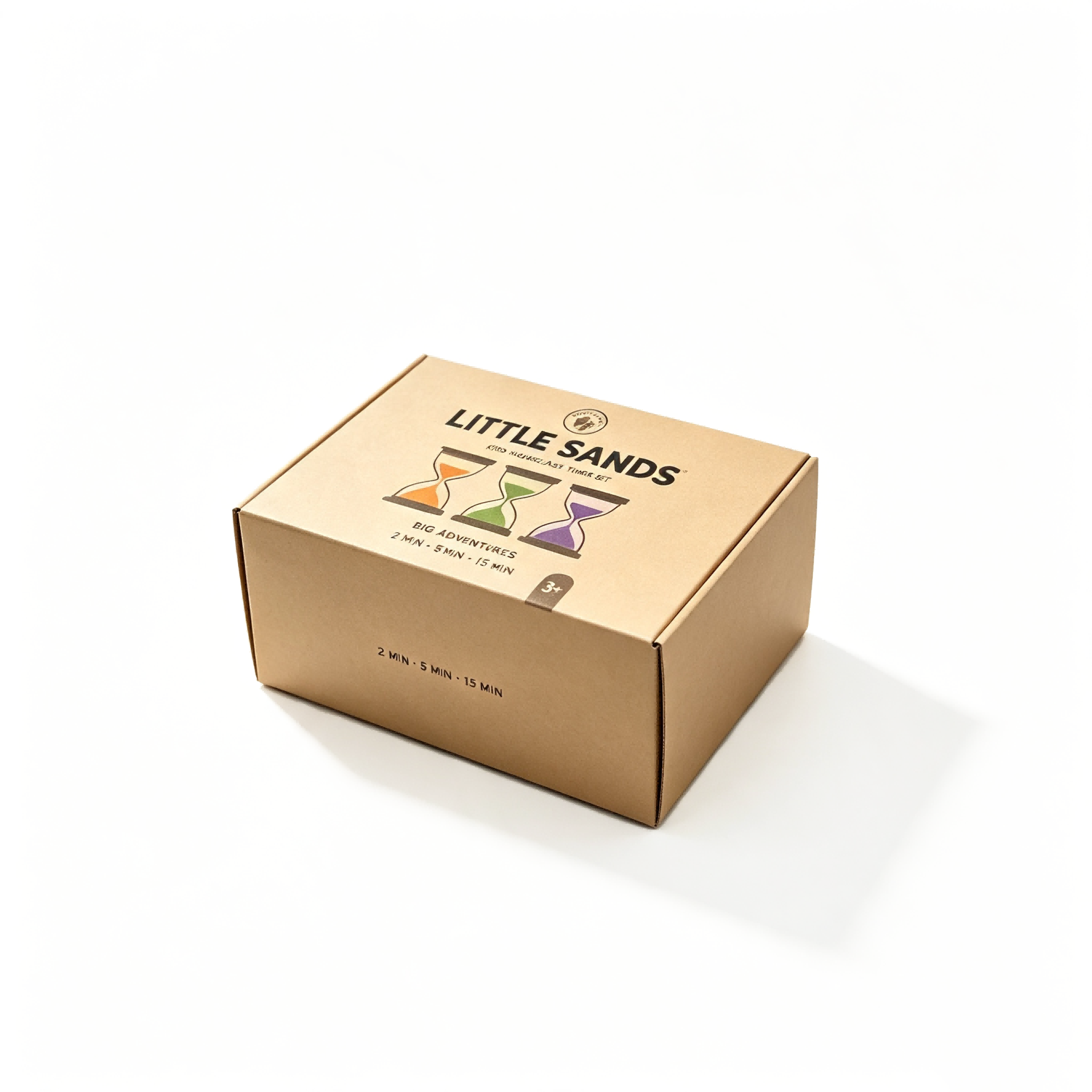
Most gift boxes are opened in under five seconds: tear the paper, lift the lid, and the moment's gone. But if you want someone to reach for their phone before they reach for the product, the box itself has to do something unexpected. Think of the unboxing as a tiny performance—the first layer should make a sound, the second should reveal a pattern or a color they didn't see coming, and the final reveal needs to feel choreographed, not accidental.
That doesn't mean adding glitter or over-stuffing the box. It means paying attention to the sequence. A sleeve that slides off to expose a bold interior, a ribbon that unwinds with a slight resistance, a lid that opens to a printed message on the underside—these are the details people stop and film. They're also the details that make the gift feel personal even before it's been fully opened.
Light matters more than you'd think. A dark, busy box won't read well on a phone screen; a matte surface with one strong accent usually will. Leave a little breathing room inside so the item doesn't look cramped, and consider how the box looks from a top-down angle, since that's how most unboxing videos start. If the packaging gives the person a reason to pause, they'll probably hit record.
Skip the Logo, Send a Feeling: Subtle Branding That Works
When someone unboxes your product, they don't pause to admire the size of your logo. They notice the soft give of the tissue paper, the subtle grain of the cardstock, the faint snap of a well-made box opening. That's where quiet branding lives—not in a stamped emblem, but in the cadence of a handwritten note, the way your packaging fits together without tape, the exact weight of the product in their hand. It's a kind of communication that never announces itself, yet still gets remembered.
Consider the brands that stick with you without effort. Maybe it's the particular shade of off-white on a label, the raised lines of an embossed pattern, or the almost imperceptible scent inside a drawer. These details don't demand attention; they reward it. Skipping the logo in favor of feeling turns an everyday purchase into a small ritual, something people want to describe to a friend rather than simply discard. And that quiet pull is often stronger than any bold mark could ever be.
Sustainable Swag Done Right: Eco-Friendly Boxes Without the Guilt
The old playbook of stuffing a glossy box with plastic trinkets is finally dead. Instead, think of a swag box as a small proof point: if you can make the unboxing itself feel considered, people will actually keep what's inside. That means ditching the foam inserts for molded paper pulp, replacing vinyl stickers with ones printed on FSC-certified paper, and using boxes that can either be composted or repurposed without a second thought. The goal isn't to be perfect—it's to avoid the obvious waste that makes people roll their eyes before they even reach the product.
One trick that rarely gets mentioned: let the box do double duty. A sturdy mailer with a tear strip can become a drawer organizer, a seed-starting tray, or a flat file for desk clutter. If you include a note that says "this box is made from 80% post-consumer recycled fiber and breaks down in a home compost pile within 90 days," you're not bragging—you're giving the recipient a concrete reason to feel good about holding onto it. Skip vague claims like "earth-friendly" and name the actual material, the percentage, and what happens to it after use.
Finally, smaller is smarter. A tightly curated box with two genuinely useful items—a bamboo pen and a seed paper notebook, for instance—outperforms a big box of plastic keychains every time. People can smell filler from a mile away, and nothing kills the "no guilt" feeling faster than unwrapping five layers of tissue paper to find a cheap USB stick. Cut the filler, source from local makers when possible, and let the restraint itself become the brand statement. That's the kind of swag that doesn't end up in a landfill by Friday.
Gifts That Match Their Desk, Not Your Brand Colors
There’s a moment when a branded tumbler lands on a desk and instantly clashes with the warm wood tones, the muted ceramic tray, or the single eucalyptus stem in a glass bottle. It says more about the giver’s marketing budget than the recipient’s taste. A better approach is to look at what’s already there: the pen holder made from reclaimed oak, the linen desk mat, the soft gray desk lamp. A gift that echoes those materials and colors feels like you actually noticed where they work.
That might mean skipping the logo-emblazoned USB hub and choosing a leather cord organizer in the same saddle brown as their notebook cover. Or replacing the bright corporate lanyard with a set of brass page clips that match the finish on their desk clock. The goal isn’t to make your brand disappear — it’s to stop treating their workspace as free advertising space. When the gift blends into their setup, they’ll use it daily, and that quiet presence does more for your relationship than any color-matched logo ever could.
So before you batch-order another round of company-blue sticky notes, ask yourself: would this object feel at home on the recipient’s desk? If the answer isn’t obvious, go neutral. Think charcoal, natural linen, unvarnished wood, matte black. These finishes play well with almost any desk and let the person’s own style stay front and center. The best gift doesn’t shout your name — it whispers that you pay attention.
From Desk to Home: Multi-Use Items That Extend Your Brand's Reach
A well-designed desk organizer rarely leaves the office, but a slim ceramic tray with your logo can hold paperclips on Monday and rings by the bedside on Saturday. The trick is choosing items that feel equally at home in a work setup and a living space, so your branding slips into routines without shouting.
Think of a heavyweight cotton throw that starts draped over a chair during video calls and later becomes the go-to blanket for movie nights. Or a glass water bottle with clean lines that sits on a conference table, then moves to a yoga mat. These aren't just giveaways—they're small endorsements that travel with the user, quietly repeating your name in different rooms.
The real payoff comes when the product's second life creates a new touchpoint. A branded notebook with a cloth cover can turn into a recipe journal at home. A magnet-backed phone stand might hold a recipe open on the fridge. Each transition keeps your logo in view, but it never feels forced because the object itself is useful first.
FAQ
A curated 'desk survival kit' works well: a slim leather notebook, a quality pen, and a small bag of specialty coffee. Keep it under $50 and include a handwritten note that mentions a specific project you enjoyed working on together.
Pick one signature element that ties to your brand, like a local hot sauce if you're known for bold ideas, or a custom-scented candle in your brand color. Then build the rest of the box around that anchor instead of filling it with random logo mugs.
Lean toward refined, low-clutter items: a leather cardholder, a box of fine chocolate, a small potted succulent, and a handwritten card. Avoid anything too playful; the goal is quiet confidence, not novelty.
Send it after a major milestone closes, or during a neutral season like early autumn. Steer clear of right before a contract renewal. A 'just because' gift in March often lands better than a holiday one in December.
Use recyclable kraft boxes with a simple cotton ribbon. Fill space with shredded recycled paper or wool padding. Choose products with minimal plastic, such as glass jars of honey or bamboo desk tools, and skip glossy lamination on the box.
Skip alcohol unless you know the client drinks, avoid strongly scented items, and don't include anything with your logo too large to be functional. When in doubt, ask their assistant about allergies or preferences—it shows more care than guessing.
A welcome box with three small items: a notecard set with their name or initials, a bag of locally roasted coffee, and a simple desk tray. It says 'we pay attention' without being extravagant or presumptuous.
Batch-produce the core items, but personalize one element per recipient: a handwritten first line on the card, a different snack based on their region, or a ribbon in their favorite color if you've learned it. Small variations create a human feel at scale.
Conclusion
Most corporate gifts end up in a drawer because they shout the sender's name too loudly. If you want clients to actually keep what you send, start by thinking about their desk, not your brand palette. A walnut desk organizer, a ceramic mug in a neutral glaze, or a linen-bound notebook feels personal and earns a permanent spot. When the packaging is beautiful enough to film, you have already won half the battle—people share unboxing moments that look like a small ceremony, not a sales pitch. Leave the oversized logo off the front; a discreet debossed mark or a handwritten note tucked inside does more for memory than any billboard on a box. The goal is to make the recipient feel known, not marketed to. That emotional shift is what turns a one-time gift into a daily fixture.
Sustainability no longer means sacrificing style. Choose boxes made from recycled molded fiber or reusable bamboo trays, and fill them with items that move easily from office to home—a throw blanket, a low-maintenance plant, or a set of glass food containers. These objects keep working for your brand because they stay in sight during daily routines, from a shelf in the living room to a drawer in the kitchen. The best professional gift box feels like a favor, not a promotion: it matches the recipient's taste, delights in the opening, and quietly reminds them of you every time they use it. And when the item travels from desk to home, your subtle brand mark goes with it, extending reach without shouting for attention.
Contact Us
Contact Person: Tan Xiang
Email: [email protected]
Tel/WhatsApp: 8613798906863
Website: https://www.dgkjzx.com