

Powder Storage Silo Manufacturer: Key Considerations for Safe and Efficient Operations
2026-04-06
In the world of industrial processing, where efficiency and safety often walk a fine line, the choice of a powder storage silo manufacturer becomes more than just a purchase—it's a commitment to operational integrity. Imagine a facility where dust clouds linger as hazards, or where material flow interruptions grind production to a halt. These aren't mere hypotheticals; they're real challenges faced daily in industries ranging from food and pharmaceuticals to chemicals and construction. That's why selecting the right partner for your storage needs is crucial. At Fanchang Machinery, we understand that a silo isn't just a container—it's the heartbeat of your powder handling system, designed to ensure smooth, safe, and cost-effective operations. In this blog, we'll explore key considerations every plant manager should weigh, from material compatibility and structural durability to advanced safety features and maintenance protocols. Whether you're upgrading an existing setup or planning a new installation, join us as we dive into what makes a silo not just functional, but truly transformative for your business.
Essential Design Features for Powder Storage Silos
Creating an efficient powder storage silo goes beyond just holding bulk materials; it demands a careful blend of structural integrity and functional precision. Key design considerations start with the silo's geometry, which must account for flow characteristics to prevent issues like bridging or rat-holing. Materials selection is equally critical, as corrosion-resistant steel or specialized coatings are often needed to withstand abrasive or reactive powders, ensuring long-term durability and safety in various environmental conditions.
Another vital feature is the integration of effective discharge systems, such as cone bottoms or vibratory aids, which facilitate smooth material flow and minimize residual buildup. Proper aeration and venting mechanisms help manage moisture and pressure, reducing the risk of caking or explosions. Additionally, incorporating advanced monitoring tools, like level sensors and temperature gauges, allows for real-time oversight, optimizing operational efficiency and preventing costly downtime.
Customizing silos to specific powder properties, such as particle size and cohesiveness, sets high-performing designs apart. Innovations like sloped walls or fluidized beds can enhance flow dynamics, while safety features like explosion vents and grounding systems address regulatory standards. Ultimately, a well-designed silo balances these elements to provide reliable storage, easy maintenance, and adaptability to changing industrial needs.
Material Selection and Construction Best Practices
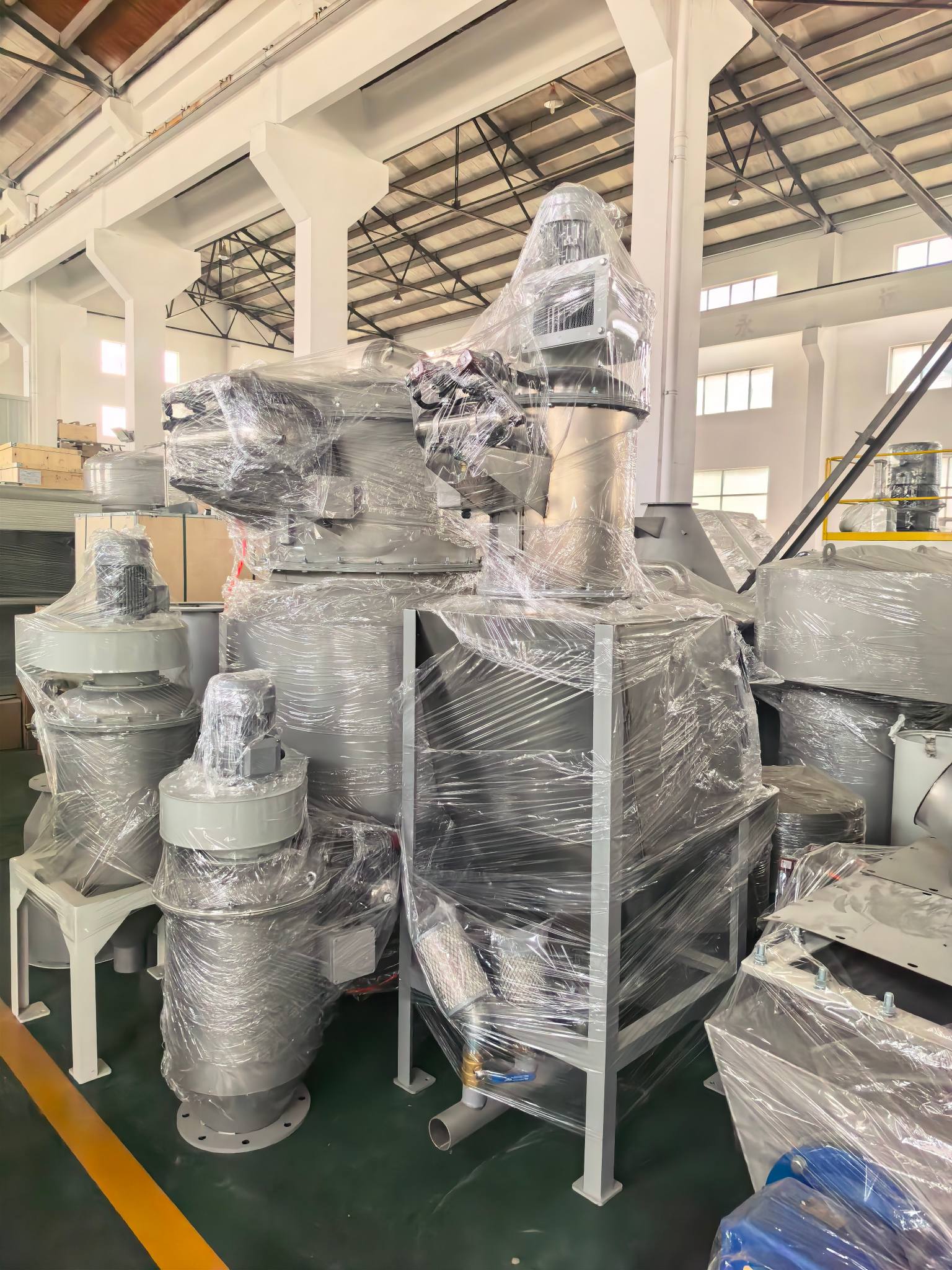
When it comes to building projects, picking the right materials isn't just about cost or availability—it's a crucial step that directly impacts durability, safety, and sustainability. For example, opting for locally sourced timber can reduce environmental footprints while enhancing structural integrity in eco-friendly designs. It's about making informed choices that balance performance with practicality, ensuring every component from foundation to finish stands the test of time without compromising on aesthetics or efficiency.
During construction, implementing best practices means more than following blueprints; it involves rigorous quality checks and skilled craftsmanship. Techniques like proper sealing and insulation are key to preventing energy loss and moisture damage, which can lead to costly repairs down the line. By focusing on precision in every stage, from laying the groundwork to applying finishes, teams can minimize waste and boost the overall resilience of the structure, creating spaces that are not only functional but also built to last.
To truly excel, integrating innovative methods such as modular construction or using advanced composites can set projects apart, offering enhanced flexibility and reduced timelines. It's the blend of thoughtful material selection and meticulous construction that drives success, turning visions into robust realities that meet both current needs and future demands.
Effective Ventilation and Dust Control Systems
Proper ventilation isn't just about keeping the air moving—it's about creating environments where dust can't settle and linger. In modern industrial settings, an effective system integrates both active and passive strategies to capture particulates at the source, using localized hoods or enclosures that pull contaminants away before they disperse into the workspace. This proactive approach not only improves air quality but also reduces the burden on broader ventilation networks, ensuring that systems operate efficiently and with less maintenance over time.
Beyond the basics, dust control often hinges on tailoring solutions to the specific materials and processes involved. For instance, fine powders might require specialized filters or cyclonic separators to prevent clogging, while heavier particulates could be managed with wet suppression techniques. By analyzing particle size, density, and generation rates, systems can be optimized to maintain compliance with health standards while minimizing energy consumption—a balance that keeps operational costs in check without sacrificing safety.
What truly sets top-tier systems apart is their adaptability to changing conditions and real-time monitoring capabilities. Smart sensors can detect dust levels and adjust airflow automatically, responding to shifts in production intensity or environmental factors. This dynamic control helps prevent over-ventilation, which wastes energy, or under-ventilation, which risks exposure. By integrating with broader building management systems, these solutions offer a seamless, data-driven approach to maintaining clean air—proving that effective dust control is as much about intelligence as it is about infrastructure.
Operational Safety Protocols and Maintenance Guidelines
Effective operational safety protocols are more than just a set of rules; they're a dynamic framework that evolves with daily experiences. By fostering a culture where every team member feels empowered to voice safety concerns and share insights, organizations can preemptively address risks before they escalate. Regular, hands-on drills that simulate real-world scenarios, paired with transparent communication channels, ensure that safety isn't merely a checklist item but an ingrained habit.
When it comes to maintenance, a proactive approach beats a reactive one every time. Instead of waiting for equipment to fail, implement a regimen of predictive maintenance using data analytics and regular inspections to catch wear and tear early. This not only extends the lifespan of your assets but also minimizes unexpected downtime, keeping operations smooth and cost-effective. Tailor maintenance schedules to the specific demands of each piece of machinery, considering factors like usage intensity and environmental conditions.
Integrating safety and maintenance efforts creates a synergistic effect that elevates overall operational integrity. For instance, safety audits should include checks on maintenance records to ensure compliance, while maintenance teams should be trained to recognize safety hazards during their routines. By intertwining these practices, you build a resilient system where safety protocols inform maintenance priorities, and well-maintained equipment supports a safer work environment.
Optimizing Handling and Conveyance Processes
Efficient handling and conveyance are crucial for streamlining operations across various industries, from manufacturing plants to logistics hubs. By focusing on these processes, companies can significantly reduce bottlenecks, minimize manual errors, and accelerate throughput. Implementing tailored solutions such as automated guided vehicles (AGVs) or smart conveyor systems not only boosts productivity but also enhances worker safety and resource allocation, creating a more agile and responsive workflow.
To optimize handling and conveyance, it's essential to conduct regular audits and leverage data analytics to identify inefficiencies. For instance, using IoT sensors and real-time monitoring can provide insights into equipment performance and material flow, allowing for proactive adjustments. This approach helps in balancing loads, reducing wait times, and ensuring smooth transitions between different stages of production or distribution, ultimately leading to cost savings and improved customer satisfaction.
Beyond technology, employee training and process re-engineering play a vital role in optimization. Engaging staff in continuous improvement initiatives and standardizing best practices can foster a culture of efficiency. By integrating lean principles with modern conveyance tools, businesses can adapt quickly to changing demands, maintain high-quality standards, and stay competitive in fast-paced markets, turning handling challenges into opportunities for growth and innovation.
Environmental Compliance and Risk Management Strategies
Environmental compliance and risk management strategies are crucial for organizations navigating today's complex regulatory landscape. Companies must proactively identify potential environmental hazards, from chemical spills to emissions violations, and develop robust protocols to mitigate these risks. By integrating compliance into core business operations, firms can not only avoid costly fines and legal issues but also enhance their sustainability credentials. Adopting a forward-thinking approach ensures that organizations stay ahead of evolving regulations while minimizing their ecological footprint.
Effective strategies often involve a mix of technological solutions and policy adjustments. For instance, implementing real-time monitoring systems can help detect leaks early, reducing environmental impact and operational disruptions. Regular audits and employee training programs further reinforce a culture of compliance, empowering staff to make informed decisions on the ground. Tailoring these measures to specific industry challenges—whether in manufacturing, energy, or agriculture—allows for more targeted and efficient risk management.
Beyond mere compliance, leading companies are now leveraging environmental strategies as a competitive advantage. By embedding risk management into long-term planning, they can uncover opportunities for innovation, such as waste reduction initiatives or green product development. This holistic view not only safeguards against liabilities but also builds resilience in the face of climate-related uncertainties, fostering trust with stakeholders and communities alike.
FAQ
The main safety considerations include ensuring the manufacturer adheres to strict regulatory standards such as ATEX for explosive atmospheres, uses high-quality materials resistant to corrosion and wear, and designs structures with adequate ventilation and pressure relief systems to prevent dust explosions or structural failures.
Manufacturers enhance efficiency by offering silos with optimized flow designs (e.g., mass flow or funnel flow), integrating automated filling and emptying systems, and providing energy-efficient options like insulated silos to maintain product consistency and reduce operational costs.
Look for manufacturers that offer tailored solutions, such as varying silo sizes and capacities, material-specific linings (e.g., for abrasive or hygroscopic powders), and compatibility with different discharge mechanisms like screws or airslides to match specific process needs.
Key maintenance features include easy-access manways and inspection ports, robust sealing systems to prevent leaks, and durable coatings that minimize cleaning frequency. Regular manufacturer support for inspections and parts replacement also plays a critical role.
Selecting materials like stainless steel or food-grade plastics can prevent contamination and resist chemical reactions, while reinforced designs withstand environmental stresses. This reduces risks of degradation and extends the silo's lifespan under harsh conditions.
After-sales services, such as technical support, training for operators, and timely maintenance assistance, help prevent operational errors and downtime. This ensures the silo remains compliant with safety standards and performs optimally over time.
Leading manufacturers often incorporate smart monitoring systems with sensors for level and temperature control, modular designs for easy expansion, and eco-friendly options that reduce dust emissions and energy consumption, enhancing overall plant sustainability.
Conclusion
Powder storage silos are critical components in material handling operations, requiring meticulous design and construction to ensure safety and efficiency. Essential design features must prioritize structural integrity and capacity optimization, often leveraging advanced geometries and load-bearing calculations to prevent failures. Material selection and construction best practices involve choosing corrosion-resistant alloys or composites, tailored to specific powders like cement or flour, while incorporating robust welding and sealing techniques to minimize leaks. Effective ventilation and dust control systems are indispensable, employing high-efficiency filters and explosion-proof mechanisms to mitigate hazardous dust accumulation and reduce fire risks, thereby enhancing workplace safety.
Operational safety protocols and maintenance guidelines emphasize regular inspections and automated monitoring to detect wear or malfunctions early, supported by comprehensive training for personnel. Optimizing handling and conveyance processes integrates smart automation and energy-efficient conveyors, streamlining material flow and reducing downtime. Environmental compliance and risk management strategies involve adhering to strict regulations, such as emission limits, and implementing contingency plans for spills or environmental hazards. By harmonizing these considerations, manufacturers can deliver silos that bolster productivity while safeguarding both workers and the ecosystem, standing out through innovative, tailored solutions rather than generic designs.
Contact Us
Contact Person: Darye WANG
Email: [email protected]
Tel/WhatsApp: 86-13501017897
Website: https://www.fcntd.com/