

Petrochemical Industry Events: Key Dates and Must-Attend Conferences
2026-05-08
In the fast-paced world of petrochemicals, staying ahead means being in the right room at the right time. From groundbreaking innovations to game-changing partnerships, industry events shape the future. Among them, ICIF stands out as a must-attend gathering. Here, we unveil the key dates and conferences that every professional should mark on their calendar.
Global Petrochemical Summits That Shape the Industry
Few events carry the weight of the World Petrochemical Conference. It’s where executives, policymakers, and analysts gather to debate the forces remaking the industry—from feedstock shifts to circular economy mandates. Informal conversations in the hallways often prove as valuable as the main-stage panels, sparking partnerships and investment moves that ripple across supply chains for years.
In Asia, the Asia Petrochemical Industry Conference offers a distinctly regional lens. It’s not just a talk shop; plant managers and technology licensors swap concrete project updates over coffee, while trade negotiators hash out tariff implications in real time. The focus on operational realities—cracker margins, logistics bottlenecks, downstream integration—makes it a must for anyone running assets in the hemisphere.
Then there’s the GPCA Forum, which has carved out a niche as the voice of the Middle East’s chemical transformation. Beyond the glossy keynotes, the real action happens in closed-door roundtables where feedstock pricing formulas are debated and joint venture terms take shape. The desert setting seems to encourage a candor rarely found in more polished venues, making it a catalyst for deals that redefine market dynamics.
Innovation Hubs: Where Technology Meets Refining
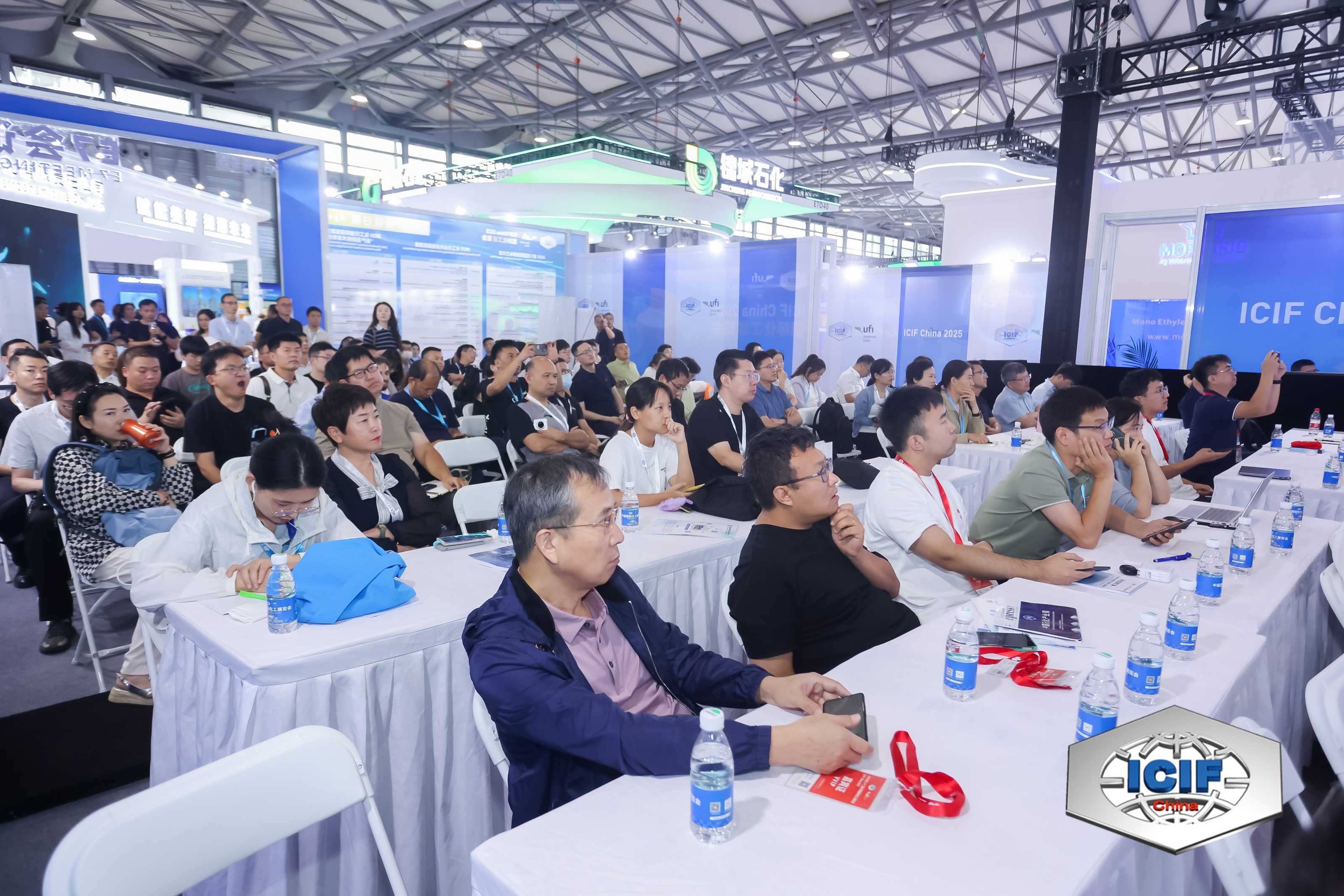
In the heart of industrial zones, a new breed of facilities is reshaping how we think about refining. These innovation hubs aren't just about processing raw materials; they're living laboratories where data scientists and chemical engineers share coffee and ideas. Sensors on every pipe feed real-time information to AI models, turning a traditionally analog process into a digitally choreographed dance.
What sets these centers apart is their ability to rapidly prototype solutions. A crack in the supply chain or an unexpected temperature spike no longer means hours of manual analysis. Instead, teams huddle around dashboards that blend operational metrics with predictive insights, tweaking parameters and testing outcomes in simulated environments before touching anything physical.
The results speak in quieter maintenance cycles and fewer unplanned shutdowns. But beyond the efficiency gains, these hubs are creating a culture where innovation is constant, not occasional. Junior technicians learn to code machine learning models; seasoned operators mentor the next generation on the nuances of the plant floor. It’s a fusion of old-school expertise and cutting-edge tools, and it’s here to stay.
Sustainability Forums Driving Real Change
Sustainability forums have evolved into hands-on workshops where business leaders, policymakers, and community advocates swap practical solutions instead of just debating theories. One such forum recently united textile manufacturers with local waste management experts, yielding a shared logistics network that cut fabric waste by 17% within six months. These gatherings prioritize actionable blueprints over white papers.
Unlike polished conferences where staged panels repeat familiar pledges, the most impactful forums now operate under Chatham House rules, fostering blunt conversations about failed pilot projects and regulatory hurdles. A closed-door energy sector meeting last spring convinced three competing utilities to jointly fund a grid-scale battery storage trial—something none would have risked independently—after candid exchanges revealed their parallel losses from grid instability.
Unmissable Expos for Upstream and Downstream Players
From raw material suppliers to finished product brands, the right expos bring the entire supply chain into one dynamic space. These events aren't just about showcasing products—they're where partnerships are forged, trends are spotted early, and hard-to-reach decision-makers become accessible. If you're serious about growth, missing these gatherings means leaving opportunities on the table.
For upstream players, specialized trade fairs offer a concentrated look at evolving demands, emerging technologies, and new production methods. It's the fastest way to benchmark your offerings against competitors and discover gaps in the market. Meanwhile, downstream visitors gain a front-row seat to innovations that can reshape their product lines, often finding solutions they didn't know existed.
Beyond the booths and seminars, the real value lies in the unscripted conversations—the coffee-break chats, the shared rides, the after-hours meetups. That's where deals are struck and lasting relationships begin. Whether you're mining for suppliers or hunting for buyers, these expos cut through the noise and put you face-to-face with people who matter.
Regulatory Roundtables That Impact Your Bottom Line
Regulatory shifts often feel like distant thunder—until they strike your balance sheet. Our roundtables strip away the noise, putting you in direct conversation with the policymakers and industry veterans who shape the rules. You’ll walk away grasping not just what’s changing, but how to turn compliance into a competitive edge.
These aren’t lectures. They’re candid, closed-door exchanges where legal realities meet business strategy. Whether it’s evolving trade policies or data governance mandates, the dialogue centers on practical impact: cost implications, operational pinch points, and the plays that let you move faster than the regulatory clock.
Past attendees have renegotiated supplier contracts on the heels of a single session, or reshaped product roadmaps to preempt upcoming mandates. The bottom-line link is direct: every insight is a lever for reducing exposure, seizing early-mover advantages, or avoiding the fines and delays that quietly drain margins.
Networking Events That Fuel Long-Term Partnerships
Meaningful business relationships rarely blossom in boardrooms alone. The best networking events create an atmosphere where genuine conversation replaces transactional small talk. Whether it's an intimate dinner with industry peers or a hands-on workshop, the goal is to connect people through shared interests and real challenges, not just job titles. When attendees let their guard down and talk about what actually matters to them, the foundation for long-term collaboration starts to form.
What separates a forgettable mixer from a partnership catalyst is thoughtful curation. Events that bring together complementary skill sets—rather than direct competitors—naturally spark productive dialogue. A well-structured but flexible format, such as breakout discussions or co-creation sessions, gives participants a reason to collaborate on the spot. That immediate, low-stakes collaboration often reveals potential for bigger projects down the road.
The real magic happens after the event, when follow-up becomes effortless because a connection was already made. Sending a resource mentioned in conversation or suggesting a joint blog post feels organic, not forced. Over time, these small touchpoints evolve into trusted working relationships that neither party could have predicted from a simple handshake. The events that deliver lasting partnerships are the ones where attendees leave feeling they've met their future collaborators, not just collected business cards.
FAQ
Key events include the World Petrochemical Conference (WPC) by S&P Global, the AFPM International Petrochemical Conference, Asia's APPEC, GPCA Forum in the Middle East, and China's annual petroleum and chemical conference. These gatherings unite global leaders to discuss market shifts, technology, and trade.
They offer unmatched access to market forecasts, emerging trends, and senior decision-makers. Attendees gain insights that directly shape investment strategies, supply chain planning, and regulatory outlooks, making them vital for staying competitive.
Subscribing to newsletters from organizations like AFPM or Gulf Petrochemicals & Chemicals Association, following event hashtags on LinkedIn, and checking dedicated conference websites regularly are effective ways. Many industry magazines also publish annual calendars.
You'll want to look at the relevance to your current role, the caliber of speakers, size and diversity of attendees, geographic focus, and the balance between technical content and networking. Cost and time away from work are practical considerations too.
While specific dates shift annually, look out for the World Petrochemical Conference typically held in March, the AFPM IPC in March as well, APPEC in September, and GPCA Forum in December. Regional summits like the Asia Petrochemical Summit also draw large crowds.
Some conferences, like WPC, are academically driven with deep dives into supply-demand models, while others like APPEC focus heavily on trading and pricing. AFPM’s event attracts more technical and operational leaders, whereas GPCA emphasizes regional policy and downstream integration.
Beyond formal sessions, you'll find break-out roundtables, cocktail receptions, golf tournaments, and dedicated meeting areas. Many veterans schedule back-to-back private meetings during the event, so preparing a targeted list of contacts ahead of time is common practice.
Absolutely. The GPCA Forum is the prime event for the Middle East’s petrochemical sector, APPEC dominates the Asia-Pacific market, and Europe relies on the EPCA annual meeting. For the Americas, the AFPM IPC remains the go-to, often setting the tone for global contract negotiations.
Conclusion
The global petrochemical calendar is packed with events that redefine strategies, from high-level summits where policy and market shifts are debated to innovation hubs showcasing breakthrough technologies that merge digitalization with refining processes. These gatherings aren't just about presentations—they're where real decisions are made, whether it's adopting circular economy models discussed at sustainability forums or witnessing upstream and downstream players strike deals on expo floors. Each conference offers a unique lens, but the common thread is a focus on actionable insights that directly impact operational resilience and competitive positioning, avoiding the fluff often found in broader industry meetups.
Beyond the boardroom talks, regulatory roundtables dissect looming compliance changes that can abruptly alter cost structures, while carefully curated networking events foster the kind of trust-based relationships that underpin long-term supply agreements and joint ventures. Seasoned attendees know the real value often emerges in side conversations over coffee or at invitation-only dinners, where potential partnerships are seeded. Missing these events isn't just a missed learning opportunity—it's a risk of falling behind as the industry rapidly evolves toward cleaner fuels, advanced materials, and digitally integrated operations. The smartest players use these occasions not only to benchmark but to shape the narrative before it's written into market reality.
Contact Us
Contact Person: Shaozhen Zhou
Email: [email protected]
Tel/WhatsApp: 0086-18612117599
Website: https://en.icif.cn/