
Original Manufacturer Insights: Choosing the Right Pallet Jack for Your Warehouse
2026-08-08
Selecting the right pallet jack can dramatically influence your warehouse productivity and safety. But with so many options on the market, how do you cut through the noise? As an original manufacturer, HANGCHA brings decades of hands-on engineering to the table—insights you won't find in generic buying guides. In this post, we'll walk you through the key factors that truly matter, from load capacity and fork design to ergonomics and durability, so you can make a confident, informed decision tailored to your operation.
Decoding Load Capacities: More Than Just Numbers
Numbers printed on a spec sheet rarely tell the whole story. A beam rated for two tons in a controlled factory test behaves differently when exposed to decades of vibration, thermal cycling, and less-than-perfect installation. Real capacity hinges on how load paths shift through connections, how minor eccentricities amplify stress, and how materials degrade in ways static calculations can't fully capture.
Field observations often reveal hidden margins—or hidden weaknesses. A welded joint that looks solid on paper might conceal residual stresses from poor preheat, while a bolted assembly may lose preload over time without any visual cue. Understanding true capacity means reading between the lines of design assumptions and checking what actually happens under cyclic loading, corrosion, or impact.
Navigating Narrow Aisles: The Fork Length Factor
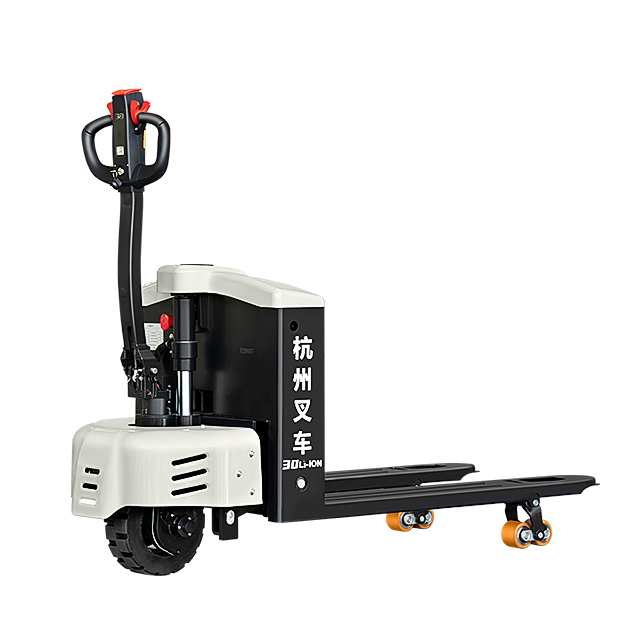
When you're squeezed between towering racks with just inches to spare, every inch of your forklift matters—especially the forks. Overly long forks might seem like a safe bet for stability, but in tight spaces, they become a liability. They extend your turning radius, forcing you to swing wider, and that extra length can clip the uprights or snag on pallets stacked high. It’s a delicate balance: enough length to handle the load securely, but not so much that you’re constantly white-knuckling past obstructions.
A practical trick seasoned operators rely on is matching fork length precisely to the deepest pallet you handle. If your loads are consistently the same footprint, there's no reason to drag around extra steel. Some facilities even color-code fork sets by length for easy visual checks, avoiding the “borrowed truck” scenario where a new driver inherits a mismatch and struggles all shift. And don’t overlook the taper—fork tips that narrow toward the end slip into pallets easier in cramped aisles, giving you a few extra seconds of reaction time when the margins are razor-thin.
Adjusting fork spacing can also effectively change how the assembly behaves in a narrow aisle. Positioning the forks slightly closer together reduces the overall width of the front end, letting you finesse into spots where a wider spread would bind. But go too narrow and you sacrifice lateral stability on wide loads. The goal is to find that sweet spot where the forks are long enough to cradle the load’s center of gravity, short enough to pivot without a three-point turn, and spaced so the truck feels like an extension of your hands rather than a beast you're wrestling through a maze.
Ergonomics in Motion: Why Operator Comfort Translates to Efficiency
When operators are physically strained, their focus narrows and decision-making slows. Discomfort isn’t just a nuisance—it quietly chips away at productivity, leading to subtle errors and longer cycle times. By contrast, a workspace that moves with the body keeps the mind clear and the workflow fluid.
Think of ergonomics as an investment in motion economy. Properly positioned controls, reduced vibration, and intuitive reach zones mean less energy wasted on awkward adjustments. This seamless interaction turns repetitive tasks into almost automatic routines, preserving stamina across a full shift.
The payoff goes beyond immediate output. Over time, minimized fatigue and strain reduce injury risks and absenteeism, while consistent performance lifts overall throughput. In motion, comfort isn’t a luxury—it’s the unseen engine of sustainable efficiency.
Mastering Warehouse Surfaces: From Smooth Concrete to Rugged Floors
The foundation of any efficient warehouse operation lies beneath your feet. Smooth concrete floors, often polished to a high sheen, speed up pallet jack movement and reduce wear on equipment wheels. But the real art is knowing when that sleek surface becomes a liability—in cold storage or wet areas, a textured finish can be the difference between a steady workflow and a workplace injury.
Rugged floors aren't just about grip. High-impact zones near loading docks demand a surface that laughs off dropped tools and constant forklift traffic. Epoxy coatings with quartz or aluminum oxide additives transform ordinary concrete into a durable shield, while still allowing for easy cleaning. It's a quiet upgrade that pays for itself in reduced downtime.
Then there's the balancing act at transition points. A sudden change from polished to aggressive texture can snag wheels and jolt operators. The best warehouses use gradual shifts—maybe a matte finish corridor leading into a grit-enhanced area—keeping the flow seamless and the workers unaware of the engineering beneath them.
The Electric Pull: When to Upgrade from Manual Pallet Jacks
When daily operations start to feel more like a workout than a workflow, it’s a clear sign that manual pallet jacks are holding you back. The constant pumping to lift heavy loads takes a toll on your team’s energy and leads to muscle strain over the course of a shift. In busy warehouses where dozens of pallets move every hour, the physical demand can quickly translate into fatigue, a higher risk of repetitive motion injuries, and even an uptick in minor accidents that disrupt the day.
Beyond the physical toll, the sheer pace of work often tips the scales toward electric. A manual jack is perfectly fine for an occasional, light-duty move across a short, smooth floor—but if your crew is navigating long aisles, handling multiple truckloads per shift, or working in cold storage where every step requires more effort, the minutes lost to manual pumping add up. An electric pallet jack glides at a consistent speed, handles inclines without slowing down, and maneuvers sharp corners with powered steering, keeping your workflow smooth and predictable.
The financial picture also shifts once you look past the upfront cost difference. Cheap manual jacks can seem like a bargain until you factor in the hidden expenses: workers’ compensation claims from back injuries, overtime to meet shipping deadlines, or the downtime caused by a worn-out operator. If your team spends more than a third of their shift simply moving goods from point A to point B, the upgrade isn’t just about comfort—it’s about protecting your bottom line and making sure throughput stays high without burning out your people.
Hidden Costs Revealed: Maintenance and Long-Term Value
Maintenance expenses often lurk beneath the surface of an initial purchase, catching owners off guard. From routine servicing and part replacements to unexpected repairs, these costs can quietly accumulate, skewing the true cost of ownership. A product that demands frequent upkeep or specialized care may seem affordable at first glance, but over time, the financial drain becomes undeniable. Savvy buyers learn to look past the sticker price and ask the uncomfortable questions: What’s the average annual maintenance bill? How available are spare parts? The answers often reveal a stark gap between perceived value and real-world expense.
Long-term value isn’t just about durability—it’s about how gracefully an item ages in both function and cost. Some products degrade rapidly, requiring escalating repairs that eventually surpass the original investment. Others hold their own, delivering consistent performance with minimal intervention. This divergence isn’t accidental; it’s rooted in design philosophy, material quality, and the manufacturer’s commitment to serviceability. When maintenance loads are light and predictable, the total cost of ownership dips, and the product’s worth becomes clearer with each passing year. It’s the difference between a fleeting bargain and a lasting asset.
Hidden costs also manifest in less obvious ways—energy consumption, consumables, or even downtime when something breaks. A machine that guzzles electricity or requires proprietary supplies can quietly bleed a budget. Worse, frequent failures disrupt workflows, chipping away at productivity and morale. Assessing long-term value means expanding the lens beyond purchase and repair receipts to include these soft costs. When you factor everything in, the cheap option often emerges as the more expensive one. True value lies in the total package: reliable operation, manageable upkeep, and a lifespan that justifies every dollar spent.
FAQ
Load capacity, fork length and width, maneuverability, durability, and ergonomic features are essential. You should also evaluate floor conditions and typical load sizes to ensure the jack can handle daily demands without excessive wear or operator fatigue.
Smooth, even floors allow for standard polyurethane wheels, while rough or uneven surfaces might need heavier-duty steel or phenolic wheels to prevent damage. If you have ramps or outdoor areas, consider a jack with better ground clearance and more robust tires.
Manual jacks are cost-effective for lighter, infrequent use. Electric models reduce operator strain and increase productivity for high-volume or long-distance transport. Assess your daily movement volume and budget to decide which offers the best return on investment.
Look for cushioned grips, a comfortable steering handle height, and easy-to-reach controls. Some jacks offer a quick-lift function that reduces pump strokes, cutting down on repetitive motion. These features help minimize workplace injuries and boost efficiency.
Absolutely. Always choose a jack with a capacity that exceeds your heaviest typical load to prevent equipment failure. Pay attention to the load center—long or irregularly shaped items might shift the center of gravity, requiring a higher-capacity or wider-fork model for stability.
Forks should match your pallet size to evenly distribute weight and avoid pushing into the load. Too-short forks can destabilize the load, while overly long ones may catch on surroundings. The right dimensions reduce product damage and make navigating tight aisles much easier.
Regularly inspect wheels, bearings, and hydraulic fluid levels. Keep the chassis clean of debris, lubricate pivot points, and check for any cracks or leaks. Quick minor repairs can prevent major breakdowns and keep your jack running smoothly for years.
Yes, many manufacturers offer options like stainless steel construction for hygiene-sensitive environments, low-profile designs for tight spaces, or extended forks for oversized loads. Discuss your unique workflow with a supplier to see if a modified or purpose-built model is the smarter investment.
Conclusion
Selecting the right pallet jack demands a deep look beyond basic specs—original manufacturers emphasize that load capacity is just the starting point. You must consider how weight distribution, lift height, and daily usage cycles affect real-world performance. Fork length becomes critical when maneuvering through tight aisles; too short and stability suffers, too long and you’ll struggle in confined spaces. Equally vital is operator ergonomics: a well-designed handle, smooth controls, and reduced vibration keep workers fresh and productive throughout their shift, directly boosting throughput without sacrificing safety.
The floor beneath the wheels can make or break efficiency. Smooth concrete may favor standard polyurethane treads, while uneven or rugged surfaces demand robust wheels and reinforced frames to avoid premature wear. Deciding between manual and electric models isn’t just about budget—consider how often heavy loads move and how far. Electric jacks slash fatigue in high-frequency settings, but the real eye-opener comes from analyzing total cost of ownership. Maintenance plans, spare parts availability, and energy efficiency hide costs that surface only after purchase. A manufacturer with transparent support and durable design saves headaches long after the invoice is filed.
Contact Us
Contact Person: Liuxue
Email: [email protected]
Tel/WhatsApp: +86-19084200370
Website: https://www.hf-ec.com/