

OEM Porcelain Insulators: Reliable Solutions for Electrical Systems
2026-01-05
Welcome to our latest insight into electrical systems, where reliability isn't just a goal—it's a necessity. In the world of OEM porcelain insulators, the stakes are high, and the demand for durable solutions never wavers. At Lugao, we've dedicated years to refining these critical components, ensuring they stand up to the toughest conditions. Curious about how our innovative approach sets us apart? Dive in as we explore the cutting-edge features and real-world applications that make Lugao a trusted name in the industry. From enhanced safety to long-term performance, this blog will uncover the secrets behind our reliable porcelain insulators—and why they might just be the missing piece in your electrical setup.
Integrating OEM Porcelain Insulators into Modern Electrical Systems
Porcelain insulators have stood the test of time, offering robust resistance to environmental stressors and enduring mechanical loads. When integrating OEM versions into today's electrical systems, their reliability shines in harsh conditions like coastal areas with salt spray or industrial zones with chemical exposure. Modern designs often incorporate advanced glazing techniques that enhance hydrophobicity, reducing surface leakage currents and improving performance during wet weather, a critical factor for maintaining grid stability.
One key aspect of seamless integration is compatibility with smart grid technologies. OEM porcelain insulators can be paired with sensors for real-time monitoring of parameters like temperature and mechanical strain, enabling predictive maintenance and reducing downtime. This synergy allows utilities to leverage traditional durability while adopting data-driven approaches, ensuring these insulators not only support physical infrastructure but also contribute to operational efficiency in increasingly automated networks.
Manufacturers are now focusing on customization to meet specific project demands, such as tailored shapes for compact substations or enhanced creepage distances for high-altitude installations. By collaborating closely with engineers during the design phase, OEM providers ensure that porcelain insulators integrate smoothly with modern components like composite bushings or digital relays, creating hybrid systems that optimize both heritage reliability and contemporary innovation.
Durability Tests and Performance Standards of Porcelain Insulators
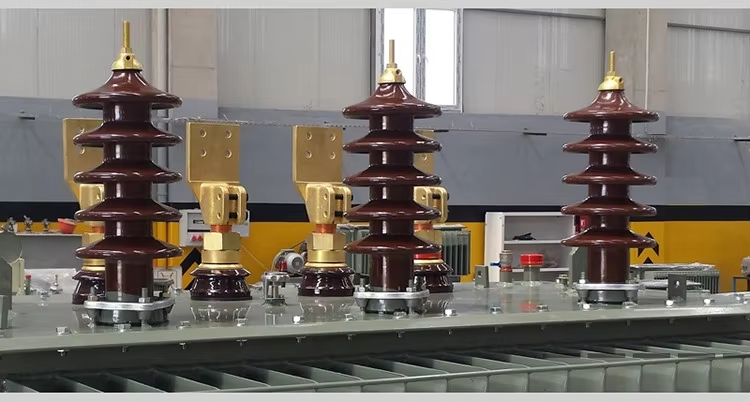
When it comes to evaluating the reliability of porcelain insulators, a range of durability tests is essential to ensure they can withstand harsh environmental conditions over extended periods. These tests typically include thermal cycling, where insulators are exposed to rapid temperature changes to check for cracks or degradation, and mechanical load assessments that simulate heavy winds or ice accumulation. For instance, in areas prone to severe weather, standards might mandate tests that replicate decades of real-world stress in a compressed timeframe, helping manufacturers identify potential weak points before deployment. By rigorously applying such procedures, stakeholders can gain confidence in the insulator's ability to maintain structural integrity and electrical insulation properties under duress.
Performance standards for porcelain insulators are established by organizations like IEC (International Electrotechnical Commission) and ANSI (American National Standards Institute), which set benchmarks for factors like flashover voltage, pollution resistance, and creepage distance. These standards aren't just about minimum requirements; they often incorporate advanced criteria, such as tests for UV resistance in sunny climates or salt-fog exposure in coastal regions, ensuring insulators are tailored to specific operational environments. Adhering to these guidelines helps utilities and grid operators select insulators that not only meet regulatory compliance but also optimize long-term performance, reducing maintenance costs and outage risks. In practice, this means a well-tested insulator might feature enhanced glaze formulations or unique rib designs that outperform generic alternatives, directly impacting grid stability.
Beyond basic compliance, innovation in testing methods has led to more nuanced standards that reflect modern challenges, such as increased electrical loads from renewable energy integration. Some newer approaches involve accelerated aging tests using combined stresses—like simultaneous electrical, thermal, and mechanical loads—to predict lifespan more accurately. This evolution in standards ensures that porcelain insulators remain a viable option in an era where durability is paramount for sustainable infrastructure. Ultimately, by focusing on thorough testing and adherence to evolving performance benchmarks, the industry can deliver insulators that stand the test of time, balancing cost-effectiveness with uncompromising safety and reliability.
Advantages of Custom-Designed Porcelain Insulators for OEM Applications
Custom-designed porcelain insulators offer OEMs a unique edge by addressing specific operational demands directly. Unlike off-the-shelf options, these tailored solutions ensure precise compatibility with your equipment, enhancing reliability in harsh conditions like high voltage or extreme weather. This customization reduces the risk of failure, leading to fewer maintenance interruptions and a more durable product lifecycle.
Another key benefit lies in optimizing design for space and efficiency. By working closely with manufacturers, OEMs can create insulators that fit seamlessly into compact layouts or complex systems, avoiding the compromises often seen with standard parts. This not only improves overall performance but also can lead to cost savings through better material use and reduced assembly time.
Moreover, custom porcelain insulators allow for innovation in safety and sustainability. By tailoring materials and coatings, OEMs can enhance insulation properties to meet stringent regulatory standards while potentially incorporating eco-friendly elements. This proactive approach helps companies stand out in competitive markets by delivering safer, more advanced solutions that resonate with modern industry needs.
Innovations in Porcelain Insulator Materials and Manufacturing
In the realm of electrical insulation, porcelain has long been a stalwart, prized for its durability and resistance to environmental stressors. Recent innovations in porcelain insulator materials have shifted focus toward enhancing these inherent properties through advanced ceramic formulations. Researchers are now incorporating nano-additives like alumina and zirconia, which bolster mechanical strength and thermal stability, allowing insulators to withstand higher voltages and harsher climates. This evolution isn't just about tweaking recipes; it's a fundamental rethinking of material science, with some new composites offering up to 30% greater fracture toughness than traditional porcelain, reducing failure rates in critical applications like power grids.
Manufacturing breakthroughs have paralleled these material advances, revolutionizing how porcelain insulators are produced. Techniques such as dry pressing and isostatic molding have gained traction, enabling more precise shaping and denser structures that minimize voids and impurities—common weak points in older methods. For instance, automated glazing systems now apply coatings with micron-level accuracy, improving surface hydrophobicity to repel moisture and prevent flashovers. These processes not only boost performance but also cut production times, with some factories reporting a 20% increase in output efficiency, making high-quality insulators more accessible globally.
Looking ahead, the synergy between material science and smart manufacturing is driving unprecedented customizability in porcelain insulators. Innovations like 3D printing with ceramic powders allow for complex geometries tailored to specific electrical or mechanical demands, such as optimized creepage distances for polluted environments. Coupled with real-time quality monitoring via IoT sensors in kilns, this trend ensures each insulator meets exacting standards. As these technologies mature, they're set to redefine reliability in energy transmission, moving beyond one-size-fits-all solutions to bespoke designs that tackle modern grid challenges head-on.
Cost-Effective and Eco-Friendly Solutions with Porcelain Insulators
Porcelain insulators have long been the backbone of utility infrastructure, but their true value often gets overlooked beyond just durability. In today's landscape, they shine as practical, cost-efficient choices for both new installations and retrofits. Unlike some newer materials that promise big savings but come with hidden price tags or maintenance issues, porcelain offers straightforward affordability—lower initial costs, minimal upkeep, and extended service life that translates into less frequent replacements. This economic edge isn't just about cutting corners; it's about smart planning that ensures reliable performance without breaking the bank, making them a go-to for projects with tight budgets or those aiming to maximize long-term returns on investment.
On the eco-friendly front, porcelain insulators step up as sustainable players in the materials game. Crafted from abundant natural resources like clay, they boast a low environmental footprint during production compared to synthetic alternatives that may rely on energy-intensive processes or harmful chemicals. Plus, their impressive durability means fewer units need to be manufactured over time, reducing waste and conserving resources. They're fully recyclable at the end of their lifecycle, too, diverting materials from landfills and supporting circular economy efforts. This green profile adds a layer of responsibility to their use, appealing to projects focused on reducing environmental impact while still meeting stringent performance standards.
Combining cost-effectiveness with eco-friendliness, porcelain insulators deliver unique solutions that stand out in the market. They bridge the gap between economic practicality and environmental stewardship, offering a balanced approach that doesn't force trade-offs. For instance, in renewable energy setups or smart grid upgrades, they provide the reliability needed for critical infrastructure while aligning with sustainability goals. By choosing porcelain, stakeholders can achieve both short-term savings and long-term benefits, fostering innovation in applications that prioritize resource efficiency and resilience. This dual advantage sets them apart as versatile, forward-thinking options in an industry increasingly driven by both fiscal and ecological considerations.
Ensuring System Reliability through Expert Insulator Installation
When it comes to maintaining electrical grids or high-voltage equipment, the quality of insulator installation can make or break overall performance. Skilled technicians don't just place insulators—they assess factors like environmental conditions, load stresses, and material compatibility to ensure each component functions optimally. This meticulous approach not only prevents faults like flashovers or short circuits but also extends the lifespan of the entire system, reducing the need for frequent repairs.
Expert installers bring a depth of knowledge that goes beyond following manuals. They can identify subtle issues, such as improper sealing or alignment, that might be overlooked by less experienced teams. By using advanced techniques like torque-controlled tightening and real-time testing, they guarantee that every insulator meets rigorous safety standards. This level of precision helps avoid costly downtimes and enhances the resilience of infrastructure against extreme weather or operational strains.
In the long run, investing in professional installation pays off by fostering a culture of reliability. Systems built with expertly installed insulators are less prone to failures, leading to smoother operations and higher customer satisfaction. It's a proactive strategy that prioritizes safety and efficiency, ensuring that power delivery remains consistent even under demanding conditions.
FAQ
OEM porcelain insulators are specialized components manufactured by original equipment makers, designed to provide robust insulation in electrical systems. They ensure reliability by minimizing leakage currents and preventing short circuits.
Porcelain insulators offer superior mechanical strength and thermal stability compared to glass or polymer options. They excel in high-stress environments where durability is crucial.
Key factors include voltage rating, environmental conditions, mechanical load capacity, and insulation resistance to ensure optimal performance over time.
Yes, manufacturers often customize their design, shape, and glaze to meet unique requirements, such as resistance to pollution or extreme weather.
They reduce maintenance needs by withstanding environmental stresses and electrical loads, leading to fewer failures and longer service intervals.
Recent advancements include improved glaze formulations for better pollution resistance and designs that enhance mechanical strength while reducing weight.
Porcelain is made from natural materials like clay and feldspar, offering recyclability and lower environmental impact compared to some synthetic alternatives.
Conclusion
OEM porcelain insulators stand as a cornerstone of modern electrical systems, offering unparalleled reliability and adaptability. Integrating these insulators into contemporary setups enhances stability and safety, as they are designed to meet rigorous performance standards through extensive durability tests. The advantages of custom-designed porcelain insulators for OEM applications cannot be overstated, as tailored solutions ensure compatibility with specific environmental and operational demands, reducing the risk of failures. Innovations in materials and manufacturing further elevate their utility, introducing enhanced conductivity and resistance to weathering, which collectively bolster system integrity in diverse settings.
Beyond technical excellence, porcelain insulators provide cost-effective and eco-friendly solutions, minimizing long-term maintenance costs while supporting sustainable practices through durable, recyclable components. Ensuring system reliability hinges not only on the quality of the insulators but also on expert installation, which optimizes performance and extends lifespan. By embracing these multifaceted benefits, OEM porcelain insulators deliver robust, dependable outcomes, making them an essential choice for electrical systems that prioritize efficiency, safety, and enduring value without compromising on innovation or environmental responsibility.
Contact Us
Contact Person: Doreen
Email: [email protected]
Tel/WhatsApp: 8618057712366
Website: https://www.liugaopower.com/