
ODM Metal Bins: The Ultimate Guide to Custom Storage Solutions
2026-07-28
Finding the right storage solution can be a challenge, especially when off-the-shelf options just don’t fit your needs. ODM metal bins offer a smarter way to get exactly what you require—custom dimensions, durable materials, and designs that seamlessly integrate into your workflow. At Lanyuda, we specialize in turning complex storage challenges into simple, reliable metal systems built to last. Whether you’re streamlining a warehouse or organizing a production line, the possibilities go far beyond standard bins. Let’s explore how customization can transform your space and boost efficiency.
Why Custom Metal Bins Transform Industrial Organization
Standard storage often falls short in demanding industrial environments, where bulky, oddly shaped, or high-volume items can create clutter and inefficiency. Custom metal bins step into this gap by adapting to the exact dimensions and handling needs of your materials. Rather than forcing your workflow around generic containers, these bins fit seamlessly into existing spaces, reducing wasted floor area and streamlining movement. The result is a workspace where everything has a designated, accessible spot, cutting down on time spent searching for parts and minimizing hazards like tripping or falling objects.
Durability is where custom metal bins truly shine. Built from heavy-gauge steel and reinforced at stress points, they withstand constant forklift contact, heavy loads, and harsh conditions without warping or breaking. This resilience not only protects inventory but also eliminates the frequent replacement cycles tied to plastic or wood alternatives. Over time, the long-term cost savings become clear—fewer disruptions, less waste, and a consistent storage solution that doesn’t degrade when exposed to oil, chemicals, or extreme temperatures.
Beyond structural advantages, these bins enhance workflow efficiency through smart design features like removable sides, hoppers, or tilting mechanisms that speed up loading and retrieval. By integrating directly with conveyor systems or automated guided vehicles, they support a lean inventory approach that reduces overstocking and unnecessary handling. Employees can move quickly and confidently, knowing materials are securely stored yet instantly accessible, which transforms daily operations from a reactive scramble into a calm, predictable rhythm.
The Complete Range of ODM Metal Bin Designs Available
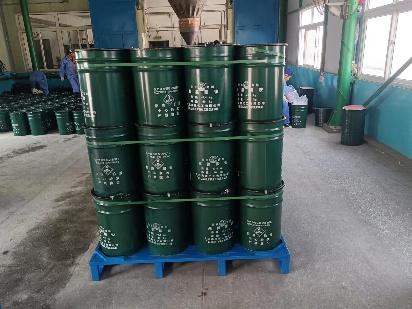
Our metal bin collection spans everything from slim, stackable units that slip neatly into tight corners to large-capacity hoppers built for heavy industrial loads. The lineup features both open-top and lidded designs, with options for hinged, lift-off, or slide-open access to suit different workflow needs. Each model can be tailored with custom cutouts, ventilation slots, or drainage holes, ensuring the bin performs exactly as your operation requires without forcing you to compromise on layout or handling routines.
We pay close attention to how the bins are moved and stored, offering designs that fit standard forklifts, pallet jacks, and automated retrieval systems. You'll find variations with reinforced rims and fork pockets, as well as nesting designs that simplify return logistics and warehouse space. For environments that demand frequent cleaning or exposure to moisture, we also produce galvanized and stainless steel versions that resist corrosion without adding unnecessary weight.
Finishes, colors, and labeling features are fully adjustable—think powder coating in your company colors, laser-cut ID tags, or integrated label holders. The idea is to give you a metal bin that looks like it belongs in your facility, not a generic off-the-shelf import. By working with a single manufacturer across our complete design range, you get consistent build quality and the flexibility to mix and match models without dealing with mismatched sizes or incompatible stacking interfaces.
How to Choose the Right Material for Your Storage Needs
Start by thinking about what you actually need to store. Breakable items like glassware or electronics demand sturdy, impact-resistant plastic bins with secure lids. For clothes or linens, breathable fabric storage bags or canvas boxes help prevent musty odors and allow air circulation, keeping textiles fresh over time.
Look at where your storage space is located. Damp basements call for waterproof materials like heavy-duty plastic containers with tight seals to block moisture and pests. If you're tight on vertical space, stackable options—such as uniform plastic totes or modular wire shelving—maximize every inch without collapsing under weight.
Balance your budget with long-term durability. Cardboard boxes are cheap and fine for short-term moves, but they sag and attract insects quickly. Investing in metal shelving or high-density polyethylene bins costs more upfront, yet they survive countless reorganizations and protect valuables far better than flimsy alternatives.
Streamlining Your Workflow with Smart Bin Placement
Figuring out where your bins should live isn’t just about tidiness—it’s about cutting out the tiny, repeated steps that add up to hours of lost time. When you position waste and recycling containers within arm’s reach of the tasks that produce the most scrap, you eliminate the constant back-and-forth that disrupts your rhythm. For example, a prep station flanked by compost and landfill bins means vegetable peels and packaging move from counter to container in a single fluid motion, keeping your focus locked on the work that matters.
The layout of your space should dictate bin placement, not the other way around. Take a walk through your typical process and note where materials tend to gather—paper scraps near the printer, packing materials by the shipping bench, coffee grounds beside the espresso machine. Placing dedicated bins exactly at these accumulation points respects the natural flow of your environment. It’s a small shift that prevents clutter from forming and signals to everyone that the path of least resistance is also the correct one.
Smart placement also leans on visual cues to make disposal a no-brainer. Color-coded lids, distinct shapes, or even small labels with icons help differentiate streams at a glance without requiring a second thought. When a bin stands out clearly against the wall and looks obviously meant for one type of waste, people use it correctly without needing reminders. This isn’t about over-engineering; it’s about making the right action feel so natural that it becomes invisible—freeing up mental energy for more important decisions.
Maintenance Tips to Extend the Life of Metal Bins
A simple yet often overlooked habit is rinsing out bins after they’ve held anything damp or acidic. Even trace amounts of fruit juice, salt, or cleaning chemicals can quietly eat away at protective coatings, leading to rust spots that spread beneath the surface. Use a mild soap and water solution, and avoid abrasive scrubbers that scratch the finish—those tiny grooves become moisture traps. For outdoor bins, a quick inspection of drain holes prevents water from pooling at the bottom, which is a prime spot for corrosion to take hold without you noticing until it’s too late.
Catching small issues early makes all the difference. Run your fingers along seams and hinges every few months; if you feel rough patches or bubbling paint, it’s likely the start of oxidation. A dab of rust converter or a quick touch-up with an oil-based paint can seal the metal away from oxygen and moisture. Don’t ignore loosened rivets or warped lids—straightening a bent rim now stops stress fractures later. Even a thin application of car wax on the exterior can act as a sacrificial barrier against rain and morning dew.
Finally, respect the bin’s weight limits and intended use. Metal bins may look sturdy, but consistently overloading them flexes the walls and strains welded joints, especially if contents are dropped in from a height. Line the bottom with a piece of cardboard or a plastic mat if you’re disposing of sharp or heavy scrap; it’s a cheap buffer that prevents puncture damage. And whenever possible, store bins under cover or at least off damp ground—bricks or pallets allow airflow underneath, keeping the base dry and drastically slowing the creep of rust.
Real-World Applications: From Warehouses to Workshops
In modern warehouses, autonomous mobile robots navigate sprawling storage facilities, moving goods with precision and efficiency. These systems work alongside human staff, reducing the physical strain of repetitive lifting and optimizing the flow of inventory from receiving to shipping. Real-time data integration allows for dynamic route planning, ensuring that even the most complex fulfillment demands are met without bottlenecks.
On the manufacturing floor, collaborative robots—designed to operate safely near people—handle tasks ranging from precision assembly to quality inspection. By automating monotonous or hazardous steps, they free skilled workers to focus on oversight and problem-solving. This blend of human insight and machine consistency turns workshops into agile production hubs, capable of switching between product variants with minimal downtime.
FAQ
ODM metal bins are storage containers designed and manufactured entirely to a client’s specifications, from dimensions and material grade to features like lids, casters, or compartment dividers. Unlike off-the-shelf bins that force you to adapt your workflow, ODM versions start from your operational needs and are built to fit precisely into your space, handling your specific materials without compromise.
A business might choose custom bins when standard sizes or shapes cause inefficiency—like wasted floor space, awkward loading angles, or material damage from improper storage. Custom solutions eliminate these pain points by matching the bin exactly to the product’s shape, weight, and handling method, reducing manual labor, improving safety, and often lasting longer because they’re designed for the actual wear and tear they’ll face.
You can customize nearly every aspect: gauge and type of metal (steel, stainless, aluminum), surface treatments (powder coating, galvanizing, epoxy finishes), structural add-ons like fork pockets, stacking lugs, drop gates, or hinged lids. Dimensions are fully flexible, and you can integrate RFID tags, color coding, or labeling systems. Essentially, if you can sketch it and it’s structurally sound, it can be built.
Industries with heavy, bulky, or irregularly shaped products rely on them heavily—think automotive manufacturing for engine parts, aerospace for large assemblies, construction for material transport, waste management for scrap, and warehousing for dense inventory. They’re also common in food processing for bulk ingredient handling and in pharmaceutical logistics where cleanliness and durability matter.
Usually it starts with a conversation about your load requirements, environment, and material handling equipment. You provide sketches, CAD files, or even just photos of the problem area. The manufacturer’s engineering team refines the concept with structural analysis, produces a prototype if needed, and then after your approval, moves into full production. The whole process can be done remotely with 3D renderings, making it accessible even without an in-house design team.
They often are, despite a higher upfront cost compared to generic bins. The savings come from reduced product damage, less time spent on loading/unloading, better warehouse space utilization, and a lifespan that can stretch decades if made from quality materials. When you factor in fewer replacements and lower operational friction, the total cost of ownership usually justifies the initial investment.
For wet or corrosive environments, 304 or 316 stainless steel is common, while abrasive settings might call for abrasion-resistant steel. Finishes like hot-dip galvanizing protect against rust for outdoor use, powder coating adds chemical resistance, and specialized epoxy coatings can handle extreme temperatures. The key is matching both the core material and the surface treatment to the specific stressors—humidity, impact, chemical exposure—the bin will encounter.
Conclusion
Custom metal bins don’t just store items—they reshape how entire facilities operate. When you tailor dimensions, compartment layouts, and weight capacities to your exact workflows, you eliminate wasted motion and clutter almost instantly. From open-front designs that speed up part retrieval to fully enclosed units that safeguard sensitive components, the variety of available configurations means there’s a fit for every operation. But design is only half the equation; material selection plays a huge role. Galvanized steel handles outdoor exposure without flinching, while stainless steel resists corrosion from chemicals or moisture. Even powder-coated finishes add a layer of protection and color-coding, making inventory checks faster. The right combination of form and material turns a simple bin into a long-term asset.
Once the bins are in place, their effect on workflow becomes obvious. Placing frequently used containers at ergonomic heights reduces strain and cuts seconds off every pick, which adds up over a shift. For larger facilities, labeling systems and integrated casters allow mobile storage carts that serve multiple zones without confusion. To keep them performing, a quick wipe-down and occasional inspection for dents or rust goes a long way. A few minutes of care prevents jammed drawers or weakened joints. These bins aren’t limited to warehouses—you’ll see them in automotive shops holding sorted fasteners, in hospitals organizing sterile supplies, and even in retail backrooms taming seasonal inventory. The adaptability of ODM metal bins makes them a quiet hero across industries.
Contact Us
Contact Person: Johnny
Email: [email protected]
Tel/WhatsApp: +86 18151010686
Website: https://lydstorage.com