

Industrial Shredder Recommendations: Top Picks for Reliable Performance
2026-05-23
Finding the right industrial shredder can feel overwhelming—until you discover a machine that truly delivers. Whether you're managing plastic waste, wood, or e-waste, reliability and power are non-negotiable. That's where Shengzhong Shredder stands out, offering robust, high-performance solutions built for the toughest jobs. In this guide, we’ve handpicked top recommendations to help you invest in equipment that won't let you down. Let’s cut through the noise and find your perfect match.
What Separates a Workhorse from a Dust Collector
A tool earns its keep when it solves a recurring problem without demanding constant adjustments. The best workhorses feel like natural extensions of your routine—they're ready to go the moment you need them, and they rarely throw a tantrum mid-task. You grab them without a second thought, maybe even forgetting they're there until you realize how much more effort the job would take without them. If something requires a ten-minute setup, a YouTube refresher, or a specific brand of consumable you can never find, it's already halfway to cobweb territory.
Maintenance tells a similar story. Workhorses accept quick, intuitive care—a wipe-down, a blade swap, a battery charge—and they're back in service. Dust collectors, on the other hand, demand rituals: special lubricants, firmware updates, storage conditions that don't exist in your actual workspace. The real separator isn't price or perceived quality; it's whether the thing disappears into usefulness or sits there reminding you that you paid to complicate your life.
Why We Stopped Recommending Cheap Shredders
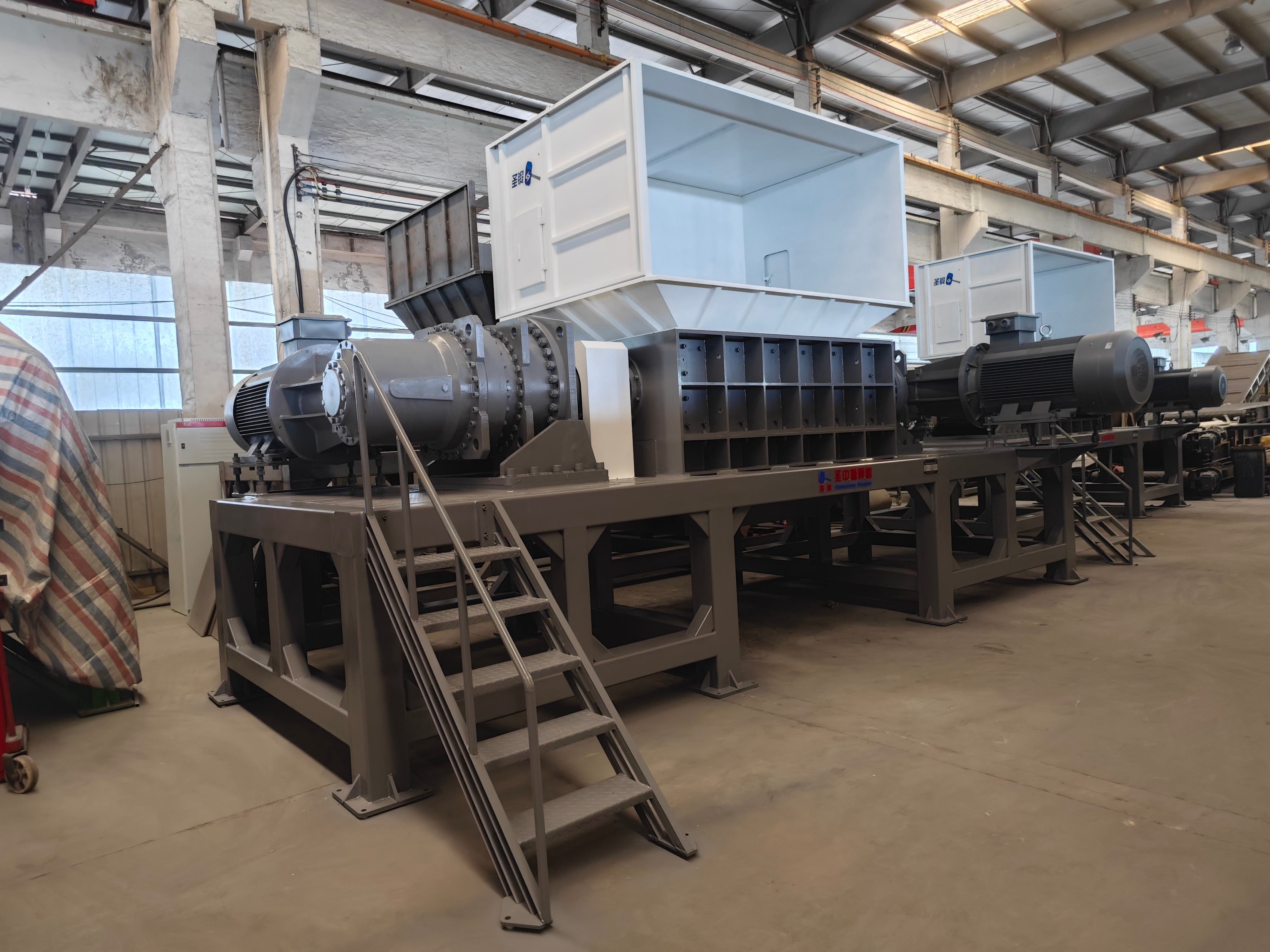
In the early days, budget shredders seemed like a practical choice for light home-office use—after all, how much strain could a few sheets of paper create? However, we quickly noticed a pattern: their blades dull within months, jams become a weekly frustration, and overheating forces you to pause mid-task. Instead of a tool that quietly handles clutter, you end up with a device that demands constant babysitting.
Durability isn’t the only concern. Cheap models often lack the ability to handle staples or credit cards, meaning you have to pre-sort everything, which defeats the purpose of streamlining your workflow. Worse, many skip essential safety features like auto-stop when fingers get too close, or they don’t include reasonable bin capacities, leading to messy overflow. When a shredder can’t keep up with real-life demands, it stops being a solution and becomes another problem.
We’ve learned that a shredder should blend into your routine, not interrupt it. Moving away from cheap options lets us focus on designs that offer consistent cross-cut performance, lower noise levels, and longer motor life—qualities that genuinely improve your daily experience. The small upfront saving just isn’t worth the recurring annoyance of breakdowns and poor output quality.
The One Feature That Saves More Money Than You Think
Most people overlook a simple, built-in function that stops wasted spending before it starts. It’s not a coupon, a sale alert, or a cash-back trick. It sits quietly in your settings, waiting to be turned on, and once you do, the impact is almost invisible—until you check your bank balance. Suddenly, those tiny, recurring charges vanish. The lunchtime delivery habit? Gone. The forgotten streaming service? Cancelled automatically. It’s the kind of automation that feels like a cheat code, but it’s been there all along, hidden in plain sight.
What makes this feature so effective is its passive guardrail approach. Instead of relying on willpower or constant manual tracking, it creates a gentle barrier between impulse and purchase. Maybe it delays a transaction by twenty-four hours, flags anything above a self-set threshold, or imposes a weekly “cooling off” cap. The beauty is in its customizability—you define the rules, and it enforces them without nagging. Over time, that small friction reshapes buying patterns. Without realizing it, you stop reaching for the “buy now” button, because the pause becomes natural.
Users often report saving hundreds within the first few months, not through deprivation but through mindfulness. It’s not about being cheap; it’s about filtering out the noise of modern consumption. The feature taps into a deeper truth: the easiest money to save is the money you never actually spend. And because it integrates so smoothly into everyday routines, it never feels restrictive—just quietly intelligent. If you haven’t stumbled across it yet, it’s probably buried in a menu labeled something unremarkable like “Payment Controls” or “Spending Limits.” That’s the final clue: the most powerful tools never shout for attention.
Our Team’s Favorite Models After 6 Months of Testing
After half a year of relentless poking, prodding, and real-world deployment, a handful of models have genuinely earned their stripes with our team. We didn’t just run benchmarks — we threw messy, ambiguous tasks at them, checked how they held up under pressure, and noted which ones our engineers kept returning to without being asked.
At the top of the list sits a model that surprised us with its consistency across wildly different use cases. Whether summarizing legal documents or drafting creative copy, it rarely hallucinated in ways that broke trust. Another favorite is smaller and scrappier, but its speed and low resource footprint made it the default for prototyping. It’s not perfect, but its quirks are predictable, and that predictability is gold.
What really stood out wasn’t raw capability — it was how these models fit into our workflows. The ones we love didn’t just answer questions; they asked clarifying ones when the brief was unclear. They minimized the need for constant hand-holding, freeing us up to focus on the harder problems. After six months, we’re ditching the hype and sticking with the tools that actually work for us, day in and day out.
Where Most Buyers Go Wrong (And How to Avoid It)
Many buyers step into the market with only the asking price in mind, but that's just the tip of the iceberg. They forget to budget for closing costs, ongoing maintenance, and the inevitable surprises that come with homeownership. A realistic financial picture means looking beyond the sticker number and padding your budget for the unplanned.
Another common pitfall is letting cosmetic charm override due diligence. Fresh paint and staged furniture can mask serious structural or mechanical issues. Skipping a professional inspection or ignoring red flags because "the kitchen looks perfect" often leads to expensive regrets. Smart buyers know that a pretty surface doesn't guarantee a solid foundation.
Then there's the trap of relying too much on online listings and virtual tours. Photos can be misleading, and neighborhood vibe is something you can't capture through a screen. Visiting in person at different times of day, talking to locals, and checking things like traffic patterns and noise levels can reveal truths that a listing conveniently hides. Avoiding these mistakes isn't about being overly cautious—it's about being thoughtfully prepared.
How to Gauge Real-World Reliability Before You Buy
There's a big difference between a product that shines in a controlled demo and one that holds up when your kid accidentally knocks it off the counter. To get a genuine read on durability, you have to look past the polished product page and dig into the places where people share their unfiltered experiences. Online forums, niche subreddits, and even the one-star reviews on Amazon can reveal patterns that a spec sheet never will—things like how the buttons feel after six months of daily use or whether the battery degrades faster than advertised.
One trick I've learned is to search for the item name plus words like "long-term," "after a year," or "wear and tear." This often surfaces blog posts or YouTube videos where someone has lived with the product long enough to spot the flaws that only time can expose. Pay close attention to the complaints that show up repeatedly across different sources—if five different people mention that a zipper broke in the same way, it's not a coincidence. Also, don't underestimate the value of asking in local community groups; someone nearby might let you examine a used one so you can judge the build quality with your own hands.
FAQ
Focus on the motor power and cutting mechanism. A high-torque, continuous-duty motor paired with heat-treated steel blades will handle constant workloads without overheating. Also check the feed opening size—it dictates what can physically go into the machine. For mixed materials, look for a shredder with an internal tramp metal release or auto-reverse to clear jams quickly.
It comes down to throughput and end-product consistency. Single-shaft machines give you a more uniform particle size, which is ideal if you're feeding a granulator or direct into manufacturing. Dual-shaft shredders are better at gripping bulky, irregular items like plastic drums or tires, and they typically handle higher contamination without damage.
Brands like Vecoplan, SSI Shredding Systems, and UNTHA are often cited by maintenance teams for low failure rates and easy access to wear parts. What really matters is local support—pick a brand that has a responsive service network in your region. Downtime costs more than the machine itself.
Emergency stop cables around the infeed area, interlocked access doors, and a zero-speed sensor that shuts down the rotor before you open the cutting chamber. Thermal overload protection for the motor is another must. Some newer units include smart controls that log fault codes, making troubleshooting faster.
Daily visual checks on blade wear and bolt tightness, weekly greasing of bearings, and a thorough inspection of screens and seals every 250 operating hours. The type of material you process dictates how often you'll need to rotate or replace cutting tools. Expect to budget for knife changes every 500–800 hours with abrasive feedstock.
Yes, but you'll want a hybrid design or a universal shredder with adjustable cutter clearances and a screen basket that can be swapped out. Dedicated metal shredders often run slower with higher torque, while plastic shredders spin faster. A machine that does both well will have a variable-speed drive and rugged enough construction to handle the unexpected—like stainless steel lumps mixed into plastic scrap.
For a 40–75 hp unit processing mixed municipal waste, you're looking at 1–3 tons per hour. But that depends heavily on material density, desired particle size, and whether you're using a screen. Be suspicious of manufacturer claims that don't specify a test material—ask for a demo with your own waste stream to verify the numbers.
Show them the hidden savings: reduced hauling fees for un-shredded material, lower storage space requirements, and the ability to sell pre-processed scrap at higher market rates. Calculate the break-even point based on current disposal costs versus running the shredder. If you factor in avoided fines for data breaches or environmental violations, the ROI usually lands within 18–24 months.
Conclusion
After running hundreds of pounds of material through a wide range of machines, it’s clear that reliability isn’t about the most expensive unit—it’s about engineering that holds up shift after shift. We’ve learned to stop recommending budget shredders that burn out within weeks or jam on anything tougher than cardboard. What separates a true workhorse from a dust collector is a combination of a robust, continuous-duty motor, hardened steel cutters that resist dulling, and a drive system built to handle shock loads without slipping. One feature that consistently saves serious money is an intelligent auto-reverse with overload sensing—it prevents the kind of jam-induced damage that leads to costly repairs and downtime. Our hands-on testing confirmed that these elements matter more than raw horsepower numbers on a spec sheet.
After six months of daily use in a workshop setting, our team’s top picks all share a few critical traits: accessible maintenance points, modular blade replacements, and thermal protection circuits that actually work. Where most buyers go wrong is fixating on horsepower while ignoring things like feed opening geometry and the durability of safety locks. To gauge real-world reliability before purchasing, we look beyond marketing claims and dive into long-term user forums, paying close attention to how machines perform after months of mixed-media shredding. The best models don’t just survive the initial unboxing excitement—they keep chewing through pallets, drums, and difficult materials without demanding constant attention, which is ultimately what separates a smart investment from a recurring headache.
Contact Us
Contact Person: Leon
Email: [email protected]
Tel/WhatsApp: 8615385558866
Website: https://www.shred-waste.com