

How to Choose the Right Metal Forming Machines Supplier for Your Manufacturing Needs
2026-06-18
Sourcing metal forming machines isn't just a purchase—it's a strategic decision that impacts your entire manufacturing line. The wrong supplier can lead to costly delays, while the right one boosts productivity and innovation. GRM has built a reputation for delivering precision-engineered solutions tailored to your industry. Whether you're upgrading existing equipment or setting up a new line, knowing what to prioritize in a supplier is essential.
Evaluating Supplier Experience and Track Record
A supplier’s past performance often reveals more than any brochure or pitch deck ever could. Beyond glossy case studies, look for concrete evidence of on-time delivery rates, defect percentages, and how they handled unexpected disruptions. A truly reliable partner will openly share this data, along with references who can speak to both their strengths and their shortcomings. Paying attention to the nuance in these conversations—like how proactively they resolved a shipping delay or adapted to a sudden spec change—can help you gauge their real-world reliability.
Longevity in the industry isn’t a guarantee of quality, but it does offer a window into resilience. Dig into how the supplier has evolved with market shifts, technological advancements, and regulatory changes. Have they invested in updating equipment or training? Do they retain key talent year after year? Suppliers who treat their workforce and processes as long-term assets tend to bring stability to your supply chain, while those chasing short-term gains often sacrifice consistency.
Track record shouldn’t just be a backward-looking metric—it’s also a predictor of how a supplier will navigate future challenges. Ask for examples of how they’ve scaled capacity or tackled sustainability requirements for other clients. If they can demonstrate a pattern of learning from mistakes and continuously improving, you’re likely looking at a partner who will grow with your business rather than hold you back.
Assessing Machine Quality and Technological Capabilities
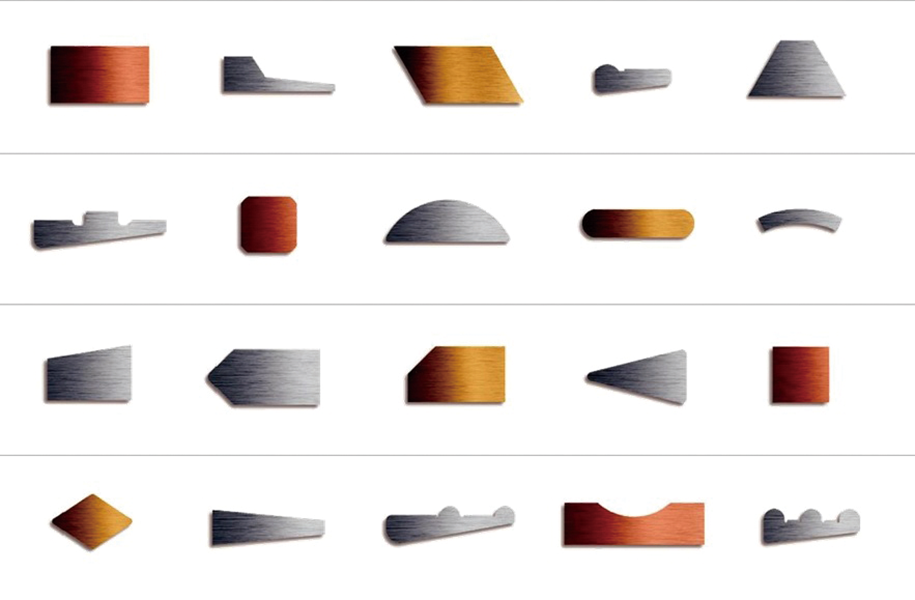
A machine's frame and core components tell you more than any spec sheet. Start by looking at weld consistency, casting quality, and the general heft of the structure and notice how panels align and whether fasteners are properly torqued. Run a quick vibration check during operation; subtle shakes often betray poor balance or bearing wear that won’t show up in a brochure. Surface finishes on machined parts, like linear rails or spindle housings, should feel smooth under a fingernail, not grainy. These physical cues accumulate into a reliable gut-check on build integrity before you even power up the controller.
On the technology side, don’t get mesmerized by interface gloss. Dig into how the control system handles actual job files and watch for latency in complex toolpath adjustments. Plug in a sample program with tight tolerance arcs and rapid directional changes to see if the motion control stutters or remains fluid. Evaluate sensor integration: does the machine actively compensate for thermal drift, or do you need to pause after every dozen cycles? Good technology means you can hand off a setup to a junior operator without a four-page caveat list because the automation layers actually reduce guesswork instead of piling on configuration steps.
Finally, pull the maintenance logs and talk to someone who has run the same model for a couple of years. Ask about belt tension drift, coolant pump lifespan, and board replacements that happened outside scheduled service. A well-built machine ages predictably; you’ll see gradual wear patterns rather than abrupt failures. If the manufacturer can’t provide reference customers or seems cagey about common fault codes, take that as a strong signal about long-term support. Real quality surfaces when the equipment is dusty, warm, and still hitting spec at 80% of its rated duty cycle.
Understanding Customization and Flexibility Options
Modern software thrives on the ability to adapt, and customization is at the heart of that adaptability. True flexibility means users can shape the tool to their workflow, not the other way around. From altering interface layouts to defining automated rules, the possibilities extend far beyond simple theme changes.
Consider a project management platform: teams can customize dashboards to highlight key metrics, create custom fields to track unique data points, and set triggers that automate repetitive tasks. This level of personalization empowers everyone—from casual users to power users—to work more efficiently and with greater satisfaction.
Ultimately, flexibility options aren't just nice-to-haves; they're essential for long-term utility. When a solution can be tailored to meet evolving needs, it becomes an integral part of daily operations rather than a rigid system that people must work around. The right customization capabilities transform a generic tool into a personal assistant that grows alongside its users.
Reviewing Support Services and After-Sales Commitments
Don’t just take a company’s word on their support quality—dig into how they actually handle issues when things go wrong. Look for clear, real-world metrics like average response time, first-call resolution rate, and availability outside standard business hours. A flashy 24/7 live chat means nothing if it constantly loops you back to a knowledge base article instead of connecting you with someone who can make decisions. Check whether phone support routes you through endless menus, and if the staff can escalate problems without passing you around like a hot potato.
After-sales commitments can make or break a purchase, yet most people gloss over the warranty’s fine print until it’s too late. Pay attention to what’s actually covered—does it include labor, parts, and shipping, or are you on the hook for hidden fees? A decade-long warranty sounds impressive, but if it’s limited to defects that rarely occur, it’s mostly marketing. Also, consider the logistics: where are the service centers located, and what’s the turnaround time for replacements? A couple of calls to existing users or a quick scan through community forums will often reveal more than any polished brochure.
Finally, observe how a brand behaves before you even hand over your money. Their pre-sales responsiveness and transparency are usually a preview of what you’ll get later. If they dodge questions about returns, spare part pricing, or third-party repair options, that’s a red flag. The best support services aren’t the ones that promise the moon—they’re the ones that quietly deliver when you’re in a bind, without forcing you to jump through hoops. Trust patterns, not promises.
Comparing Pricing Models and Long-Term Value
It’s tempting to zero in on the upfront cost when comparing tools, but that sticker price rarely tells the full story. A subscription might seem cheaper than a hefty one-time license, yet over a three-year span, those recurring payments can quietly outpace the perpetual option. The real comparison starts when you map out not just the initial outlay, but the cumulative spend over the expected life of the product—factoring in maintenance, feature unlocks, and any hidden fees that surface down the road.
Beyond the raw numbers, the long-term value hinges on what the pricing structure enables. A model that scales with usage can protect you from overpaying while you’re small, but if your growth accelerates, costs might spiral faster than anticipated. Conversely, enterprise-tier deals often bundle premium support and advanced capabilities that slash downtime or manual work—savings that don’t show up in a simple cost-per-seat analysis. The trick is to pressure-test how each model aligns with your operational trajectory, not just today’s needs.
Smart buyers also weigh the intangible value: How often does the vendor ship meaningful updates? Does the pricing incentivize the company to keep improving the features you rely on, or are you funding a version you’ll never use? A lower-priced plan that stagnates leaves you with a false economy, while a premium model that evolves with your workflow often justifies its premium through persistent relevance. In the end, value isn’t captured at checkout—it’s measured in the absence of migration costs and regret years later.
Checking Compliance, Safety Standards, and Certifications
Checking compliance goes far beyond ticking boxes on a checklist. It’s about proactively protecting your business and the people who rely on your products. A single overlooked standard can lead to costly recalls, legal headaches, or damage to a reputation you’ve spent years building. Treating certification reviews as a routine formality ignores the real risks: supply chain disruptions, market access denials, and eroding customer trust. Instead, treat each check as a chance to reinforce relationships with partners and reassure clients that their safety is never an afterthought.
Digging into safety standards means looking beyond the certificate on the wall. Whether it’s ISO, CE, UL, or industry-specific marks like FCC or RoHS, the real question is whether the testing was thorough and applicable to the latest version of the product. A certificate might be authentic but outdated, or issued for a prototype rather than the mass-produced item. Request the test reports, verify lab accreditation, and if something feels off, don’t hesitate to arrange independent spot checks. Reputable manufacturers welcome this scrutiny; those who push back often have something to hide.
Regulations shift quietly, and what was compliant yesterday might not be tomorrow. That’s why static annual audits aren’t enough. Build a lightweight system—maybe a shared tracking sheet or a quarterly review—to monitor upcoming changes in target markets and verify that certifications remain current. Assign ownership to someone who understands both the technical nuance and the business impact. This habit turns compliance from a reactive scramble into a living process that not only keeps you out of trouble but can also open doors to new markets that demand higher standards.
FAQ
Look beyond the sales pitch and ask specific questions about their engineering team’s background. A supplier that can walk you through material behavior, tooling design, and process limits is more likely to provide machines that fit your actual production instead of a one-size-fits-all solution.
Ask to see recent installations or talk to current users who run similar parts. Visit the production floor if possible. Check weldments, alignment, and the fit of moving components. Consistent quality usually leaves physical evidence, not just polished brochures.
A low upfront cost often hides gaps in service, spare parts availability, or training. Map out the total cost over five years, including downtime and maintenance. A supplier who responds quickly when something breaks can save more money than the discount you got on the machine.
Very, if you’re not making cookie-cutter parts. A good supplier should adapt the machine to your tooling, automation level, and material range. If they mostly say ‘our standard model can handle that,’ push for details on past custom builds to gauge their flexibility.
Go beyond testimonials. Request a reference list with contact info for shops that have been running their machines for at least two years. Pay attention to how quickly they share this—if they hesitate, dig deeper into their track record.
Yes, because forming challenges vary widely between automotive, aerospace, or medical devices. A supplier who knows your compliance requirements, surface finish expectations, and typical defect patterns will help you avoid steep learning curves.
Ask for a documented risk assessment and watch an operator run the machine, if feasible. Check for proper guarding, emergency stops, and control placement. A supplier that treats safety as an afterthought rarely builds machines that production staff will trust.
It should cover more than basic button-pushing. Look for detailed run-off with your actual tooling, process parameter optimization, and maintenance training. A supplier that stays on-site until your team is confident—not until the contract says they can leave—shows real commitment.
Conclusion
When you're on the hunt for a metal forming machine supplier, the first things that matter are their hands-on experience and the kind of track record they've built over the years. You want a partner who has actually navigated the complexities of your industry—not just a company with a glossy brochure. Dig into their past projects, talk to their long-standing clients, and gauge how they've handled challenges. But proven reliability is only half the picture. The equipment itself needs to be up to the mark. Check whether their machines integrate modern controls, automation readiness, and robust engineering that can hold tolerances over years of hard use. And don't forget your specific production needs; the best suppliers don't force you into off-the-shelf limitations. They show a genuine willingness to tweak designs, adapt tooling setups, and offer flexible configurations that evolve with your manufacturing goals. A rigid supplier can become a bottleneck, while one that embraces customization helps you stay competitive.
Equally crucial is what happens after the sale. Immediate technical support, accessible spare parts, and responsive field service can mean the difference between a minor hiccup and days of costly downtime. Look for transparent after-sales commitments, not empty promises. Then shift your focus to the true cost picture. A lower upfront price can be tempting, but it often masks higher lifecycle expenses from frequent repairs or energy inefficiency. Smart buyers weigh total long-term value—durability, productivity gains, and training included—against the initial outlay. Finally, never compromise on safety and compliance. A reliable supplier holds recognized certifications and builds machines that meet or exceed international safety standards, safeguarding your workforce and your legal standing. In a crowded market, choosing a partner that blends deep experience, tailored solutions, genuine support, and uncompromising safety is how you future-proof your operations.
Contact Us
Contact Person: Rayna
Email: [email protected]
Tel/WhatsApp: 86 -173 1474 6343
Website: https://www.grmrollingmill.com/