

High Quality Hand Valve: What to Look for Before You Buy
2026-11-24
Hand valves often look alike, but the difference between one that lasts and one that fails shows up in the details. Stem sealing, material choice, pressure rating, and how smoothly the valve operates under real conditions all matter more than a shiny finish. If you are shopping for a high-quality hand valve, skipping these checks can lead to leaks, difficult operation, or early replacement. This guide covers what to look for before you buy and how HONGSEN addresses those quality points in its own valve designs.
The Metal Inside Tells You the Real Story
A smooth surface can hide more than it reveals. Scratch below the finish and you start to see whether the piece was poured cleanly, cooled under pressure, or hastily patched with whatever was at hand. The outer layer is often just presentation; the internal grain, porosity, and alloy boundaries hold the actual record of how the metal was made and how it has been stressed.
That record becomes especially clear when a part fails. A broken section rarely snaps in a clean line. It shows discoloration from overheating, a dull zone from fatigue, or a ragged edge where a void finally collapsed. These are clues that no amount of polishing or repainting can erase. If you know how to look, the inside tells you whether the material was solid from the start or just dressed up to pass a first glance.
People sometimes judge metal by weight and shine, but both are easy to fake. The interior tells you the real story because that is where every shortcut leaves a mark: in the cooling pattern, the weld penetration, the depth of rust, or the way a crack follows the grain. Once you cut in, there is no more hiding.
Soft Seats and Seals Are the First Things to Fail
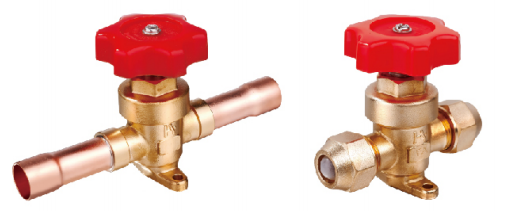
Soft seats and seals rarely fail because they are weak in the obvious sense. They fail because the material gradually loses its ability to recover after each cycle. A seat that once pressed tightly against a ball or disc can still look smooth on the outside while the surface has hardened just enough to allow a thin leak path at operating pressure.
Heat, chemical exposure, and repeated compression are usually enough to do the damage long before metal parts show measurable wear. Elastomers take a permanent set, PTFE cold flows, and the sealing line shifts away from where it was originally lapped. Once that contact is lost, tightening the handle or adding more torque rarely helps; the soft part simply cannot conform the way it did when new.
That makes soft seats and seals a predictable wear item rather than a random failure point. Keeping a rebuild kit on hand and replacing these parts on a conservative interval is far cheaper than waiting for a visible drip. The small cost of fresh soft goods usually protects the much larger investment in machined bodies, stems, and other hard components that only suffer after the seat has already quit doing its job.
Ratings Are Only Useful When They Match Real Conditions
A five-star score tells you almost nothing if the test conditions were nothing like your own. A tire that grips beautifully on a dry track might turn slippery on wet pavement, and a battery that lasts ten hours indoors can die in half that time when temperatures drop. The number only earns its place when the circumstances behind it are visible.
Real conditions are rarely clean. Dust, moisture, uneven surfaces, heavy loads, and inconsistent power all change how something performs. When a rating ignores those variables, it becomes a summary of someone else's ideal day rather than a prediction of your Tuesday morning.
The fix is simple on paper but demanding in practice: ask what was actually measured, under what load, for how long, and against which baseline. A rating that cannot answer those questions is decoration, not information. Useful ratings do not just rank products. They reveal the conditions under which the ranking holds.
How the Handle Feels Can Reveal What the Spec Sheet Hides
A spec sheet will list weight, length, and material, but the first grip tells you what those numbers leave out. A tool that looks balanced on paper can feel nose-heavy the moment you pick it up, forcing your wrist into a slight but constant correction. A handle that has been genuinely dialed in sits against the palm without asking you to choke up or readjust, and that kind of fit is impossible to capture in a row of measurements.
Surface texture is another quiet giveaway. Rubber that appears grippy in a photo can turn slick once your hand warms up, while an overly aggressive pattern starts to chew at the skin after twenty minutes. The better designs place texture only where pressure actually concentrates, leaving the rest of the handle smooth enough to avoid hot spots. It is a small distinction, but it separates a tool you forget you are holding from one you keep putting down.
Temperature matters more than most people expect. A metal grip in a cold room can drain warmth from your fingers before the real work even starts, while a composite or wood handle tends to feel more neutral. In those first few seconds of contact, your palm is already making judgments about balance, friction, and comfort that no tolerance chart can express.
Genuine Testing Labels Are Not Just Decoration
A label only earns its place when it points to something measurable. Too many products carry badges that imply reliability without any visible trail of how that reliability was checked. Genuine testing labels work differently: they compress a series of decisions, failed attempts, and final verifications into a mark that a buyer can act on. That compression is useful, but only if the underlying work actually happened.
Think of the label as a summary, not a substitute. When a component, material, or finished item has been genuinely tested, the label tells a short story about thresholds, conditions, and acceptable limits. It gives engineers and consumers a reason to skip part of their own uncertainty. If the label is decorative, it does the opposite. It creates false confidence and forces people to retrace steps that should have already been settled before the product reached them.
There is also a quiet cost to treating labels as decoration. Once people learn that a badge can appear without a corresponding test, every other badge becomes suspect. Trust erodes in aggregate, not one label at a time. That is why a genuine testing label carries weight far beyond its printed surface. It protects the credibility of the whole system, not just the single item it sits on.
A Strong Warranty Is the Manufacturer Putting Money on the Line
A warranty rarely feels real until something goes wrong. The difference between a flimsy one and a strong one shows up in who pays for replacement parts, labor, and shipping. When a company offers coverage that stretches for years or includes wear and tear without a dozen exclusions, it is not just being generous. It is betting on its own build quality and accepting that mistakes will come out of its pocket, not yours.
That financial exposure changes how a product gets designed. If every failed unit costs the manufacturer real money, there is a reason to use better seals, thicker wiring, or more durable hinges. A long warranty also tends to reflect internal testing that already caught the common failures. The result is not only a promise on paper but a product that is less likely to make you file a claim in the first place.
Still, the strongest coverage is the one with clear terms. Look past the year count and check what is actually covered, how quickly replacements ship, and whether you are expected to pay return freight or diagnostic fees. A company willing to take on those costs is putting real money behind the product instead of hiding behind fine print.
FAQ
Look closely at the wetted materials and the stem design. A solid forged or barstock body usually outlasts a cheap cast body, and a blowout-proof stem with a decent packing system prevents the most common leaks. The handle should feel firm without needing excessive force, which is often a sign the internals are misaligned.
Start with your normal operating pressure, then add a realistic margin for surges and temperature swings. A valve rated for 600 psi may fail early in a system that spikes to 800 psi when a pump shuts off. Match the cold working pressure to the rating, then check the manufacturer's derating chart for hot liquids or gases.
If the line is gravity-fed, viscous, or needs to be cleaned by pigging, yes. Full-port keeps the flow path close to the pipe diameter, so there is less restriction and less chance of sediment building up. For simple shutoff on a short, pumped line, a reduced-port valve may do the job without the added bulk.
The seat and packing material matter as much as the body. PTFE handles many aggressive chemicals and higher temperatures, while EPDM suits steam and hot water but not oils. FKM works well with oils and fuels but has limits with ketones. Ask for a chemical compatibility chart for your exact mixture, not just the base fluid.
Threaded connections are simple for small lines and low-risk service, but flanged or tri-clamp ends are easier to clean and remove without cutting pipe. If you plan to service the valve often, choose a connection that lets you drop it out quickly. Also check that the connection standard matches the rest of the system, since NPT and BSPT threads can look similar but will leak if mixed.
Look for a reinforced handle connection, an adjustable packing gland, and a stem with a smooth finish. Cheap valves often loosen at the handle after a few months because the stem flats wear or the packing compresses. A solid stop in both directions also prevents the operator from over-rotating and damaging the seat.
Not always for low-pressure water or air lines. For fuel gas, steam, or hazardous media, a certification like API 607 for fire-safe design, PED for European pressure equipment, or CRN for Canada gives you proof the design was tested rather than just claimed. If the valve is going into a regulated system, checking the markings before purchase avoids a costly replacement later.
Do not just buy the same size and assume it will fit. Check the old valve's end-to-end length, connection type, and whether the leak came from the seat or the stem. If the stem packing was the problem, choose a replacement with an adjustable gland and a blowout-proof stem. If the seat wore out, consider a higher hardness seat material or a full-port design.
Conclusion
A hand valve may look substantial on the outside, but the metal inside the body and stem usually tells you more than any polished handle. Solid brass or stainless steel holds up far better than cheap zinc alloys or thinly coated castings that start to corrode once water chemistry shifts. At the same time, the soft seats and seals deserve close attention because they are almost always the first components to harden, swell, or tear. Look for materials such as PTFE, EPDM, or Viton that suit the actual fluid, not just whatever the catalog lists. A pressure or temperature rating only matters when it reflects the conditions the valve will face on the job, including surges, partial flow, and seasonal temperature swings, not a single ideal test point.
Beyond the data sheet, the way the handle moves can expose sloppy stem threads, uneven packing, or weak internal stops that no specification will mention. A smooth, firm quarter-turn with a clear stop usually signals better alignment and machined parts, while a loose or gritty feel suggests rough casting. Genuine testing labels should trace back to actual batch or production tests rather than generic markings printed for show. Finally, a strong warranty is a practical cue because a manufacturer that covers leaks, seat failures, and material defects for several years is putting real money behind the product, whereas a vague or short guarantee often hints at corners cut where you cannot see them.
Contact Us
Contact Person: KOPASS HO
Email: [email protected]
Tel/WhatsApp: 8613606566112
Website: https://www.hongsenref.com/