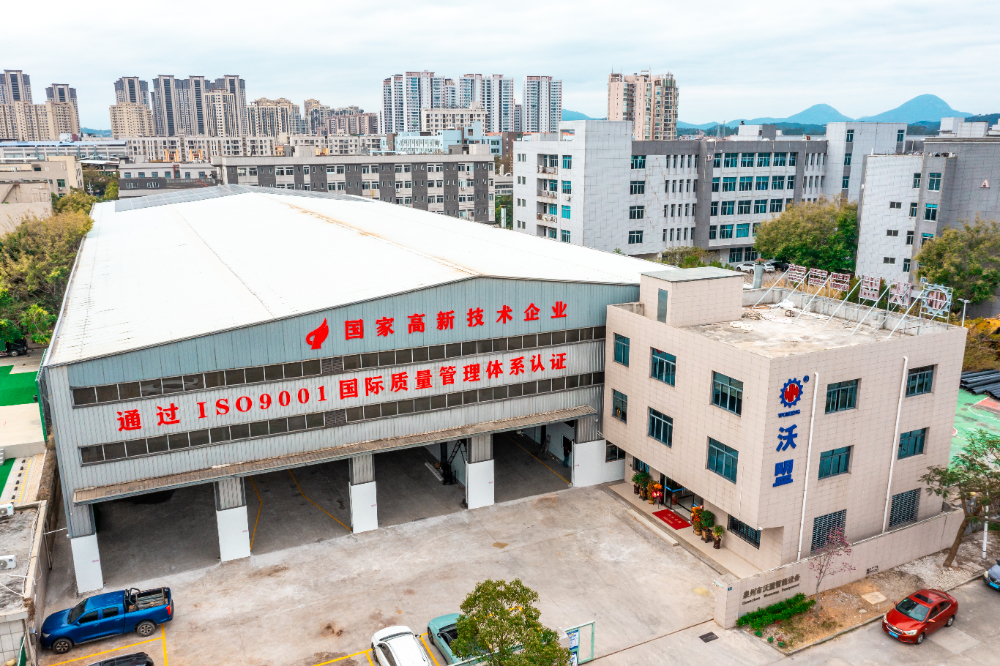

High-Efficiency Sanitary Pad Manufacturing Machines: Revolutionizing Feminine Hygiene Production
2026-03-06
In the landscape of feminine hygiene production, a quiet revolution is underway. High-efficiency sanitary pad manufacturing machines are transforming how these essential products are made, enhancing quality, sustainability, and accessibility on a global scale. At the forefront of this innovation is Womeng, a brand dedicated to pushing the boundaries of technology to meet the evolving needs of the industry. In this blog, we’ll explore how these advanced machines are changing the game—from precision engineering to eco-friendly solutions—and why it matters for manufacturers and consumers alike. Join us as we delve into the future of feminine hygiene production, where efficiency meets excellence.
Innovations in Sanitary Pad Machine Technology
Sanitary pad manufacturing has seen a dramatic shift in recent years, thanks to cutting-edge advancements in machine technology. Modern production lines now integrate smart sensors and robotics, replacing traditional manual processes. These innovations enable manufacturers to achieve unparalleled precision in material placement and adhesive application, resulting in pads that are both more comfortable for users and more cost-effective to produce. For instance, automated quality control systems use high-resolution cameras to detect even the slightest defects, ensuring every pad meets rigorous standards before it leaves the factory.
Another key area of progress is in sustainability and efficiency. New machines are designed with eco-friendly features, such as reduced energy consumption and waste minimization. Some models incorporate advanced recycling mechanisms that repurpose scrap materials back into the production cycle, cutting down on environmental impact. Additionally, faster production speeds and real-time data analytics help companies optimize their operations, allowing them to scale up output while maintaining quality. This tech-driven approach not only boosts profitability but also aligns with growing consumer demand for greener products.
Beyond functionality, these innovations are opening up possibilities for customization and personalization. With flexible manufacturing systems, producers can quickly adapt to market trends, creating pads tailored to specific needs like ultra-thin designs or enhanced absorbency. This agility helps brands differentiate themselves in a crowded market, offering unique solutions that resonate with diverse consumer preferences. As technology continues to evolve, we can expect even more breakthroughs that redefine what sanitary pads can be—making them smarter, more sustainable, and better suited to individual lifestyles.
Boosting Production Speed and Output Capacity
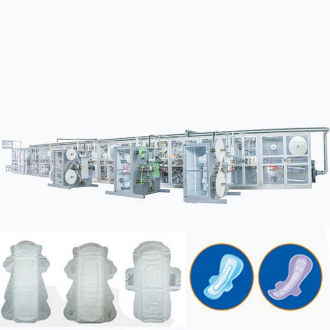
To ramp up production speed and enhance output capacity, it's essential to streamline workflows and integrate smart technologies. By automating repetitive tasks and optimizing supply chains, companies can significantly reduce downtime and increase throughput, ensuring they meet growing market demands efficiently.
Implementing lean manufacturing principles and just-in-time inventory systems can further accelerate production cycles while minimizing waste. This approach not only boosts overall output but also improves resource allocation, allowing businesses to scale operations without compromising on quality or sustainability.
Investing in employee training and fostering a culture of continuous improvement are pivotal for sustaining these gains. Empowered teams can identify bottlenecks and innovate solutions, driving long-term productivity growth and maintaining a competitive edge in fast-paced industries.
Enhancing Comfort and Absorbency in Pads
When it comes to choosing the right pad, comfort and absorbency often top the list of priorities for many users. Beyond just basic functionality, a truly effective pad should feel like a second skin—soft against the skin without causing irritation, yet sturdy enough to handle daily activities without shifting or bunching. Imagine a pad that molds seamlessly to your body, offering a discreet layer of protection that allows you to move freely and confidently throughout the day.
Innovations in material technology have revolutionized absorbency in modern pads. Instead of relying on bulky layers, some designs incorporate advanced core systems that quickly wick moisture away, distributing it evenly to prevent leaks and maintain a dry sensation. This enhanced absorbency means fewer changes are needed, providing peace of mind during long hours or busy schedules. It's not just about capacity; it's about smart engineering that ensures lasting comfort without compromising on performance.
To stand out in the competitive market, many brands are focusing on personalization and user-centric features. For instance, pads with breathable backings or infused with soothing natural extracts can elevate the overall experience, catering to diverse needs and preferences. By prioritizing both physical comfort and reliable absorbency, these products empower users to focus on their lives without distractions, making a noticeable difference in everyday well-being.
Sustainable Practices in Feminine Hygiene Manufacturing
In recent years, the feminine hygiene industry has seen a significant shift toward sustainability, driven by consumer demand for eco-friendly products. Manufacturers are adopting practices like sourcing organic cotton and biodegradable materials, reducing plastic use in packaging, and implementing energy-efficient production processes. This not only minimizes environmental impact but also appeals to a growing market of environmentally conscious consumers.
Beyond materials, some companies are pioneering closed-loop systems where waste from manufacturing is recycled or repurposed, such as using production scraps for other products. Innovations in water management and carbon footprint reduction further highlight the industry's commitment to long-term ecological health.
Collaborations with NGOs and certification programs, like Fair Trade or B Corp, are becoming more common, ensuring ethical labor practices and transparency. These efforts collectively aim to transform feminine hygiene into a sector that prioritizes both planetary well-being and user safety.
Cost-Effective Solutions for Manufacturers
Manufacturers often grapple with balancing quality and efficiency while keeping expenses in check. By leveraging lean manufacturing principles, such as just-in-time inventory and waste reduction, companies can streamline operations without hefty upfront costs. This approach not only minimizes waste but also enhances productivity, making it a practical choice for businesses aiming to improve their bottom line through smarter resource management.
Embracing automation and technology offers another avenue for cost savings. Implementing scalable software for supply chain management or using IoT sensors to monitor equipment can lead to significant reductions in downtime and maintenance expenses. These tools empower manufacturers to predict issues before they escalate, fostering a more resilient and agile production environment that adapts to market demands efficiently.
Additionally, exploring alternative materials and energy sources can yield substantial long-term savings without compromising product integrity. For instance, adopting recycled materials or investing in renewable energy systems not only cuts operational costs but also aligns with sustainable practices, appealing to eco-conscious consumers and opening up new market opportunities. This strategic shift helps manufacturers stay competitive while contributing to environmental goals.
Future Trends in Automated Pad Production
In the coming years, automated pad production is set to transform with the integration of advanced robotics and AI-driven systems. These technologies enable real-time adjustments in manufacturing lines, reducing downtime and boosting efficiency. For example, smart sensors can monitor material quality instantly, allowing for automated corrections that minimize waste. This evolution not only cuts costs but also enhances product consistency, catering to the rising demand for high-quality, customizable pads in sectors like healthcare and hygiene.
Sustainability will play a crucial role in shaping future trends, as automated processes are being redesigned to use eco-friendly materials and energy-efficient methods. Innovations such as closed-loop recycling systems are emerging, where scrap materials from pad production are automatically recovered and reused within the same facility. This approach not only reduces environmental impact but also appeals to increasingly eco-conscious consumers and regulatory pressures, driving brands to adopt greener practices without sacrificing productivity.
Another key trend involves the rise of fully adaptive manufacturing lines that can swiftly switch between different pad types and sizes. Powered by flexible automation and IoT connectivity, these systems allow producers to respond more dynamically to market fluctuations and personalized orders. As a result, small-batch or on-demand production becomes more feasible, opening new opportunities for niche markets and reducing reliance on large-scale inventory. This shift promises greater agility and competitiveness in an ever-changing industry landscape.
FAQ
These machines utilize advanced automation and precision technology to significantly increase production speed while maintaining consistent quality, reducing waste and operational costs compared to traditional methods.
By optimizing material usage and incorporating eco-friendly components, they minimize environmental impact through reduced resource consumption and support the development of biodegradable pad options.
Buyers should prioritize features like high-speed output, minimal downtime for maintenance, user-friendly controls for operators, and adaptability to produce various pad types and sizes.
Automation ensures a sterile production environment with less human contact, reducing contamination risks and enhancing compliance with stringent global health regulations.
Challenges include initial high investment costs, the need for specialized training for staff, and potential supply chain issues for advanced parts, but these are often offset by long-term efficiency gains.
Yes, manufacturers often offer customization options for pad dimensions, absorbency levels, and packaging designs to cater to diverse consumer needs and local trends.
Technological improvements lead to lower per-unit costs by boosting output rates and decreasing energy and labor expenses, making high-quality pads more accessible.
They enable local production in regions with limited infrastructure, reducing import dependencies and costs, thus helping to address hygiene gaps and promote public health initiatives.
Conclusion
The article explores how high-efficiency sanitary pad manufacturing machines are revolutionizing feminine hygiene production through significant technological innovations. These advancements include cutting-edge machinery that enhances production speed and output capacity, allowing manufacturers to meet growing global demand more effectively. By integrating automated systems and precise engineering, these machines ensure consistent quality while reducing downtime, making them a cornerstone of modern production lines.
Beyond efficiency, the focus extends to improving comfort and absorbency in pads, leveraging sustainable practices to minimize environmental impact, and offering cost-effective solutions for manufacturers. Future trends point toward further automation and smart technologies, promising even greater innovation in the industry. This holistic approach not only boosts productivity but also prioritizes consumer well-being and ecological responsibility, positioning these machines as key drivers in the evolution of feminine hygiene manufacturing.
Contact Us
Contact Person: Jessie Lai
Email: [email protected]
Tel/WhatsApp: 86-188594442931
Website: https://www.wm-machinery.com