

Expanded Graphite: Top Industrial Applications and Material Advantages
2026-07-15
When it comes to advanced thermal management and fire safety, expanded graphite is quietly revolutionizing industries. From gaskets to flame retardants, this versatile material is unlocking new levels of performance. At X.X.F.R, we harness its unique properties to create solutions that exceed expectations. But what makes expanded graphite so special? In this post, we’ll explore its top industrial applications and the material advantages that set it apart.
Why Expanded Graphite Outshines Standard Gasket Materials
Standard gasket materials often come with a laundry list of compromises—limited temperature range, poor chemical resistance, or the need for endless retorquing. Expanded graphite flips that script entirely. Its natural layered structure, once expanded and compressed, creates a seal that handles extremes without flinching. Whether it's cryogenic cold or heat that would turn other materials brittle, graphite stays adaptable. It doesn’t just survive harsh conditions; it thrives there long after conventional options have failed.
What really sets expanded graphite apart is its near-universal chemical compatibility. From aggressive acids to high-purity water systems, it won’t contaminate processes or degrade unexpectedly. Unlike PTFE-based products, it doesn’t creep under load or cold-flow out of the flange. And compared to fiber-based sheets, there’s no wicking or embrittlement over time. The material’s conformability is another silent advantage—it fills surface imperfections without requiring mirror-smooth flange faces, reducing joint preparation time and cost.
Then there’s the fire-safety angle. In a catastrophic event, graphite won’t burn, melt, or lose integrity; it simply stays put, maintaining a seal when it matters most. That passive reliability means fewer leak points in critical systems, lower maintenance burdens, and a dramatic drop in unplanned shutdowns. For demanding applications in refineries, chemical plants, or power generation, expanded graphite isn’t just an upgrade—it’s the difference between constant worry and quiet confidence.
The Hidden Power of Graphite Foils in Heat Dissipation
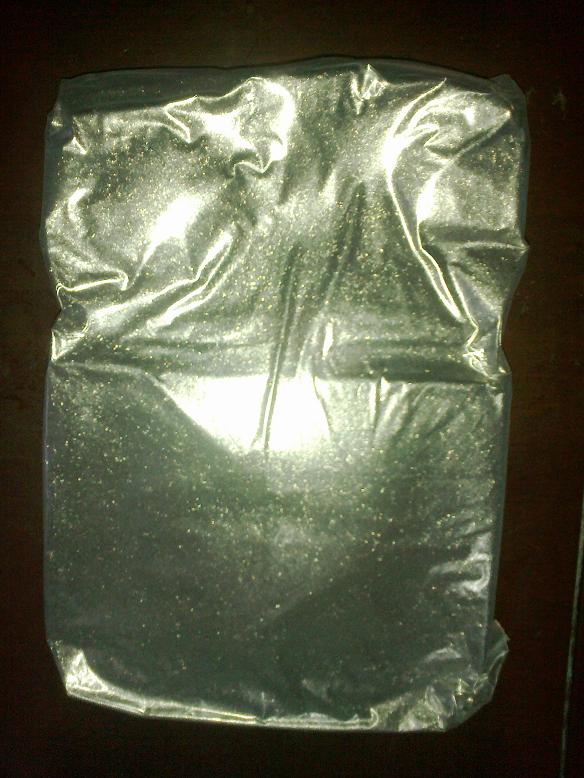
Most people overlook graphite foils when designing thermal solutions, yet these thin, flexible sheets pack a surprising punch in moving heat away from sensitive components. Their secret lies in the natural crystalline structure of graphite, which allows heat to travel in-plane at speeds that rival copper but with a fraction of the weight. Whether you're dealing with cramped smartphone internals or sprawling EV battery packs, graphite foils often turn out to be the quiet workhorse that keeps temperatures in check without stealing the spotlight.
What makes graphite foils truly special isn’t just their conductivity—it’s the way they conform to irregular surfaces and bridge gaps that rigid solutions can't touch. When pressed against a heat source, the foil spreads thermal energy laterally, eliminating hotspots and pulling heat toward cooler areas or dedicated sinks. This ability to manage heat spread at the millimeter scale has quietly saved countless devices from performance throttling and premature wear, all while staying nearly invisible to the end user.
Beyond raw performance, graphite foils offer a rare combination of low thermal resistance and mechanical compliance that’s hard to replicate. They can be slit, layered, or even bonded with adhesives to form custom shapes that fit into tight assemblies. In a world that’s pushing toward thinner, lighter, and more powerful electronics, the humble graphite foil is proving that sometimes the most elegant cooling solutions come in the most unassuming packages.
Beyond Convection: Graphite-Enhanced Phase Change Materials
Convection has long been the workhorse of thermal management, but its limits are becoming painfully clear in high-density electronics and compact energy systems. Relying solely on fluid motion to shuttle heat away from hotspots often leads to bulky setups, noise, and a constant hunger for auxiliary power. Graphite-enhanced phase change materials flip the script by absorbing thermal energy directly at the source through the latent heat of melting, then spreading it almost instantly along the graphite's highly conductive planes. This passive, silent mechanism sidesteps the inertia and spatial constraints of convection, offering a leap in both compactness and reliability without a single moving part.
What sets graphite-enhanced PCMs apart is not just the storage capacity but the speed at which they respond. Pure paraffins or salt hydrates, despite their high latent heat, are hindered by abysmal thermal conductivity—a bottleneck that often negates their usefulness in dynamic scenarios. By embedding expanded graphite or aligned graphite fibers, the composite becomes a thermal superhighway, where heat races through the filler network and into the PCM at rates orders of magnitude higher than the base material. This percolated structure effectively transforms the composite into a tunable heat sink that can flatten temperature spikes in seconds, making it ideal for bursty workloads in power electronics or satellite payloads where convection is either insufficient or impossible.
Beyond raw performance, these materials enable design paradigms that were previously out of reach. Instead of designing around airflow paths and fin geometries, engineers can embed graphite-PCM blocks directly beneath chip packages or within battery modules, creating a distributed thermal buffer that operates isotropically. This shifts the design burden from active cooling infrastructure to smart material integration, slashing both volume and weight. The result is a system that leans on phase change to absorb peak loads and on graphite to eliminate internal temperature gradients—delivering what convection alone cannot: true thermal equilibrium in a stagnant envelope.
Intumescent Coatings: The Graphite Barrier Against Fire
Intumescent coatings represent a chemically engineered fire-protection solution that remains dormant under normal conditions, yet responds rapidly when exposed to extreme heat. These thin-film layers, typically applied to structural steel or combustible substrates, expand dramatically—sometimes up to 50 times their original thickness—to form a carbonaceous foam known as char. The char acts as an insulating barrier, slowing heat transfer to the underlying material and preserving its load-bearing capacity during a fire. This passive mechanism buys crucial minutes for evacuation and emergency response, making intumescent coatings a staple in modern fire-safety design.
At the heart of this technology is expandable graphite, a specially treated form of natural flake graphite intercalated with acid compounds. When heated, the intercalants decompose, generating gases that force the graphite layers apart in a rapid exfoliation process. The resulting worm-like structures intertwine to create a dense, thermally stable char layer with low thermal conductivity. Unlike traditional ablative systems, the expansion is largely endothermic, absorbing heat and releasing water vapor in the process, which further contributes to fire suppression. This dual-action—physical expansion and chemical cooling—distinguishes graphite-based intumescents from other passive fire-protection materials.
The effectiveness of an intumescent coating hinges on careful formulation and application. Fire-resistant resins, char-forming catalysts, and blowing agents work in concert to ensure the coating expands at a predictable rate and adheres firmly to the substrate during fire exposure. In practice, these coatings are applied in multiple thin layers to steel beams, columns, or wall panels, often in combination with a topcoat for durability. Their ability to maintain aesthetic appeal while providing robust fire resistance has made them particularly valuable in architectural projects where exposed steel is a design feature. As building codes evolve and sustainability concerns grow, intumescent coatings offer a lightweight, maintenance-friendly alternative to traditional fireproofing methods without compromising safety.
Lightweight Shielding: Graphite’s Role in EMI Protection
Every ounce matters in modern electronics, where shrinking form factors demand shielding solutions that don’t add bulk. Graphite emerges as a quiet champion in this space, offering electromagnetic interference (EMI) protection at a fraction of the weight of traditional metal enclosures. Its natural layered structure, composed of tightly bonded carbon sheets, enables exceptional attenuation of unwanted signals without compromising on design flexibility. Engineers are increasingly turning to graphite-based composites and foams, which can be molded into complex shapes while retaining shielding effectiveness, a balance that rigid metal housings often fail to strike.
The real advantage lies in how graphite manages both reflection and absorption of electromagnetic waves. Unlike metals that primarily reflect radiation—potentially coupling it back into nearby circuits—graphite’s conductive network dissipates energy as heat, dampening interference more thoroughly. This inherent absorption quality, combined with its inherent lightness, makes it ideal for applications where thermal management and weight reduction are equally critical, from drone avionics to wearable medical devices. Modern iterations, such as expanded graphite sheets or graphene-enhanced polymers, push specific shielding effectiveness to levels that rival copper, yet weigh up to 70 percent less.
Beyond raw performance, graphite’s corrosion resistance and long-term stability add to its practicality in challenging environments. Where aluminum or copper shielding might oxidize or lose integrity over time, graphite remains relatively inert, simplifying product lifetimes. Pairing it with structural plastics also eliminates the grounding and joining complexities of traditional metal parts, streamlining manufacturing. As 5G infrastructure and portable electronics continue to push miniaturization limits, graphite-based EMI shields stand out not just for their technical merit, but for how seamlessly they integrate into the next generation of lightweight, high-speed systems.
Green Engineering: The Recyclability Edge of Expanded Graphite
Expanded graphite stands out as a material that aligns seamlessly with the principles of green engineering, largely due to its inherent recyclability. Unlike many synthetic composites that degrade into non-recoverable waste, expanded graphite can be reprocessed multiple times without significant loss of its core properties. This means that components made from it—whether used in thermal management, seals, or energy storage—can be collected, milled, and reformed into high-quality products, drastically reducing the need for virgin raw materials and the environmental burden of disposal.
The key to this recyclability lies in the material’s unique structure. Expanded graphite is produced by intercalating and exfoliating natural graphite flakes, creating a porous, worm-like morphology that retains the innate purity and crystalline order of the precursor. Because the expansion process is largely physical, the graphite can be delaminated and re-compressed repeatedly without chemical degradation. Even after a product’s service life ends, the graphite can be reclaimed through simple mechanical separation, avoiding the toxic byproducts or energy-intensive reprocessing that plague many engineered materials.
In practice, this recyclability edge translates into tangible sustainability gains. Industries adopting expanded graphite for sealing, thermal interface, or fire-resistant applications can design for circularity, capturing end-of-life products and feeding the reclaimed material back into high-performance components. This closed-loop approach not only shrinks the carbon footprint but also cuts costs and reduces dependency on newly mined graphite, making expanded graphite a smart choice for engineers committed to building a more resource-efficient future.
FAQ
Expanded graphite is a processed form of natural flake graphite that has been treated with an intercalating agent and rapidly heated, causing it to expand into a lightweight, vermicular structure. Unlike regular graphite, expanded graphite has a much lower density, greater surface area, and can be compressed into flexible sheets without a binder, retaining the thermal and chemical stability of graphite while adding unique sealing and cushioning properties.
Its ability to withstand extreme temperatures—typically from cryogenic levels up to over 500°C in oxidizing environments and even higher in inert conditions—combined with excellent compressibility and resilience, makes expanded graphite an ideal material for static seals in valves, pumps, and flanges. It maintains a tight seal even during thermal cycling, preventing leaks where conventional materials would fail.
Expanded graphite is inherently non-flammable and can be engineered to intumesce, meaning it expands significantly when exposed to heat, forming a thick, insulating char layer. This property is crucial for firestop products, intumescent strips in doors, and thermal barriers in construction and transportation, as it effectively blocks flame and smoke propagation.
Its high thermal conductivity—especially in-plane—allows expanded graphite sheets to efficiently spread and dissipate heat away from hot spots in electronic devices such as smartphones, batteries, and LED lighting. This helps maintain optimal operating temperatures, improves performance, and extends component lifespan without adding significant weight or bulk.
The chemical processing and petrochemical sectors rely heavily on expanded graphite for gaskets and packings that resist aggressive acids, alkalis, solvents, and hydrocarbons. Its non-reactive nature ensures reliable containment in harsh chemical environments, preventing equipment corrosion and environmental contamination.
Yes, expanded graphite serves as a key functional additive in battery electrodes, particularly in lithium-ion and lead-acid batteries. Its high electrical conductivity improves charge/discharge efficiency, while its porous structure enhances electrode stability and electrolyte distribution, ultimately boosting battery performance and cycle life.
Expanded graphite is derived from natural graphite, a relatively abundant mineral, and can often be recycled or reused in certain applications. Its durability and long service life reduce maintenance waste, and because it can be compressed into self-bonded sheets without synthetic binders, it minimizes the use of additional chemicals, lowering the overall environmental footprint compared to many synthetic alternatives.
Conclusion
Expanded graphite has redefined material performance across numerous industries, offering a unique combination of thermal stability, chemical resistance, and mechanical flexibility that standard materials simply cannot match. In gasket applications, its ability to maintain a reliable seal under extreme temperatures and pressures makes it the preferred choice for demanding environments like chemical plants and refineries. Unlike conventional fiber or elastomeric gaskets, expanded graphite does not degrade or creep, ensuring long-term leak-free service. Beyond sealing, graphite foils have proven indispensable in heat dissipation, effectively pulling heat away from sensitive electronics and power modules. Their anisotropic thermal conductivity allows for directional heat spreading, a critical advantage in compact designs where hot spots can lead to failure. Another rising star is graphite-enhanced phase change materials (PCMs). By infusing graphite into PCMs, thermal storage systems achieve a dramatic boost in charging and discharging rates, smoothing out the inherent sluggishness of traditional PCMs. This innovation is transforming thermal management in solar energy storage, building climate control, and battery thermal regulation. In fire safety, intumescent coatings that incorporate expanded graphite expand vigorously when exposed to heat, forming a char layer that insulates structural steel and other substrates. This reaction is not only highly effective but also free of toxic byproducts, aligning with stricter environmental and health regulations. Together, these applications highlight expanded graphite’s ability to solve multifaceted engineering challenges through its intrinsically layered structure and high purity.
Expanded graphite also excels in modern electromagnetic interference (EMI) shielding, providing a lightweight and corrosion-resistant alternative to metal foils and conductive coatings. Its high electrical conductivity and large surface area enable it to absorb and reflect electromagnetic waves across a broad frequency range, protecting sensitive equipment in aerospace, telecommunications, and medical devices. Unlike traditional metal shields, graphite-based solutions are easier to shape, bond to composites, and integrate into compact housings without adding significant weight. This is particularly valuable in electric vehicles and portable electronics, where every gram counts. Moreover, expanded graphite contributes to green engineering through its exceptional recyclability and low environmental footprint. It can be reprocessed and reused multiple times without significant loss of properties, making it a sustainable choice for industries striving to reduce waste and comply with circular economy principles. The production process itself is more energy-efficient compared to many synthetic alternatives, and the material is derived from natural graphite, which is abundant. When its life cycle ends, expanded graphite does not pose hazardous disposal challenges, unlike some halogenated flame retardants or heavy metal-based shields. The convergence of high performance, lightweight design, and environmental responsibility solidifies expanded graphite as a material of the future. Engineers and designers are increasingly turning to this versatile carbon-based solution to deliver safer, more efficient, and sustainable products that meet the rigorous demands of today’s industrial landscape.
Contact Us
Contact Person: Guohua Wang
Email: [email protected]
Tel/WhatsApp: 8613003442895
Website: https://www.xxflameretard.com