

Eco-Friendly Aramid Fabric: The Future of Sustainable High-Performance Materials
2026-07-10
When performance demands meet environmental responsibility, a new class of materials takes center stage. Eco-friendly aramid fabric is shattering the myth that high strength requires high ecological cost. Stronger, lighter, and chemically resistant, yet designed with the planet in mind—this is the reality DROTEX is bringing to life. Discover how this advanced textile is redefining industries and why it’s the foundation for what comes next.
Aramid Reimagined: High Toughness, Low Footprint
The latest generation of aramid materials pushes the boundaries of resilience without the environmental baggage. By rethinking every step of the manufacturing process—from monomer sourcing to fiber spinning—we’ve achieved a significant leap in impact absorption and tensile strength. The result? A material that withstands extreme forces while requiring far less energy, water, and raw material per unit of performance.
What truly sets this innovation apart is its role in lightweighting. Every gram of traditional reinforcement replaced translates directly into lower fuel consumption, longer part life, and less strain on resources across the value chain. Whether in composite armor, wind turbine blades, or high-pressure vessels, the material’s toughness invites thinner, smarter designs that were previously out of reach.
Equally important is what happens at the end of the product lifecycle. Through new chemical recycling pathways, the fibers can be recovered and repurposed with minimal degradation, keeping them in circulation far longer than conventional solutions. It’s a holistic reimagining that proves high toughness and a low footprint can coexist—and compound each other’s benefits.
The Eco-Fiber That Laughs at Wear and Tear
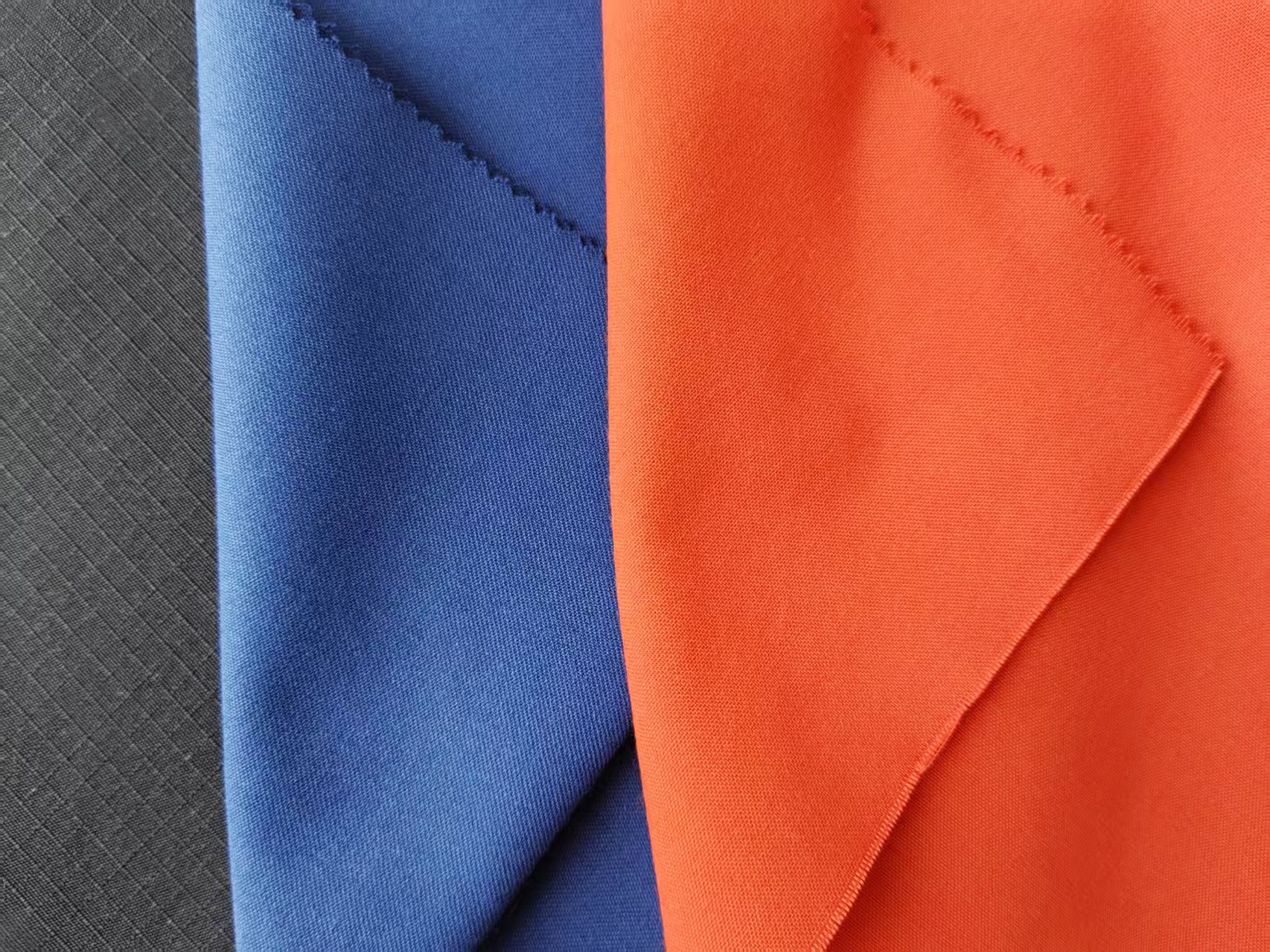
It starts with the way the fibers are spun—tighter, denser, almost defiant. Most eco-textiles have a reputation for being delicate, but this one scoffs at that notion. You can stretch it, scrub it, leave it out in the sun, and it just shrugs. The secret lies in a blend of recycled synthetics and a twisting technique borrowed from old‑school rope making, giving it a backbone without sacrificing softness.
What really sets it apart is how it ages. Instead of pilling or thinning, it develops a subtle patina, like a favorite pair of jeans. The color holds fast, too—no fading into that sad, washed‑out version of itself. I’ve watched a sample go through fifty industrial washes and come out looking ready for another round. That kind of resilience redefines what we expect from sustainable materials.
And it’s quiet about its strength. There’s no stiff, plasticky hand feel, no crinkling noise when you move. It drapes like a heavyweight cotton but bounces back from wrinkles overnight. Designers are starting to treat it less like a green alternative and more like a primary fabric, because it doesn’t demand special care or kid‑glove handling. In a world full of throwaway fashion, this fiber is a long‑term relationship.
From Waste to Wear: The Circular Aramid Story
Aramid fibers are famously tough—used in bulletproof vests, aerospace components, and racing gear—but that resilience becomes a liability at end of life. For years, most aramid waste ended up incinerated or landfilled, stubbornly resisting degradation. The circular aramid story began when innovators started asking: what if we could unwrap those tightly bound polymer chains and spin them into something new, without losing the extraordinary properties that made the material valuable in the first place?
Turning scrap aramid into wearable textiles isn’t a simple shred-and-melt process. It involves carefully breaking down industrial offcuts and used gear while preserving fiber length and strength. The reclaimed material is then re-spun, often blended with other recycled fibers, to create fabrics that are light, heat-resistant, and surprisingly comfortable. From factory-floor scraps to decommissioned protective suits, discarded aramid finds a second life as durable outerwear, accessories, and even everyday apparel—quietly defying the throwaway culture that dominates the textile industry.
What makes this journey compelling is its quiet practicality. A jacket woven from reclaimed aramid might have once shielded a firefighter or reinforced a wind turbine blade. Now, reincarnated as a sleek, minimalist garment, it carries that history invisibly. The process doesn’t trumpet itself—it simply demonstrates that high-performance materials needn’t follow a one-way path from production to disposal. Each piece tells an understated story of recovery, inviting wearers to rethink what “new” really means.
How Green Chemistry Is Transforming High-Performance Fabrics
Green chemistry is quietly reshaping the world of high-performance fabrics, moving beyond buzzwords to deliver tangible change. Instead of relying on harsh solvents and toxic finishes, brands are now adopting enzymatic processes and bio-based polymers that perform just as well—often better—while slashing environmental harm. It’s a shift that rethinks how performance is built into a fabric, not as an afterthought, but from the molecular level up.
Take water repellency, for example. The old standard involved perfluorinated compounds that are incredibly persistent in the environment. Now, chemistry driven by renewable feedstocks is creating durable water-repellent finishes that break down safely, without compromising on the protection athletes and outdoor enthusiasts demand. These innovations aren’t just about swapping one chemical for another; they’re about redesigning the entire lifecycle of a textile, from raw material to end of use.
Even the way textiles are dyed and treated is getting a green overhaul. Carbon dioxide-based dyeing processes eliminate water and auxiliary chemicals, while plasma treatments modify fiber surfaces without baths of synthetics. The result is high-performance gear that wicks moisture, resists odors, and endures extreme conditions—all without leaving a trail of pollution. It turns out that the smartest chemistry doesn’t just perform; it respects the planet in the process.
Performance Without Compromise: The Sustainability Edge
True sustainability doesn’t mean sacrificing speed, comfort, or capability. It’s about intelligent design that elevates performance while treading lighter on the planet. This philosophy drives everything from material selection to manufacturing, ensuring each component works in harmony—delivering responsive, high-efficiency output without the usual trade-offs.
By rethinking energy flows and embracing advanced aerodynamics, we’ve created systems that use less, yet achieve more. The result is a seamless experience where reduced waste and extended lifecycles naturally coexist with the premium feel and dynamic response you expect. This isn’t a compromise; it’s a better way to perform.
In a landscape where others treat sustainability as an afterthought or a checkbox, we’ve woven it into the fabric of innovation. The edge comes from refusing to settle—constantly refining the balance between ecological responsibility and thrilling performance, proving that the two aren’t just compatible; they amplify each other.
Protective Textiles That Protect the Planet
The textile industry has long been associated with pollution, but a new wave of innovation is turning fabric into a force for ecological good. Protective textiles are no longer just about safeguarding people from hazards—they’re increasingly designed to shield the environment itself. From biodegradable workwear that decomposes safely after use to high-performance membranes that filter microplastics during washing, these materials are rewriting the rules of responsible manufacturing.
Consider the rise of self-cleaning fabrics treated with photocatalytic coatings that break down airborne pollutants when exposed to light. Such textiles not only reduce the need for frequent washing—saving water and energy—but also actively purify the surrounding air. In industrial settings, reusable protective suits made from recycled ocean plastics are replacing single-use alternatives, dramatically cutting landfill waste without compromising on safety or durability.
Behind these advances lies a shift toward circular design. Manufacturers are now engineering protective garments that can be easily disassembled and remanufactured at the end of their life, closing the loop on resources. Even the dyeing processes are evolving, with some companies harnessing carbon dioxide instead of water to infuse color, eliminating toxic runoff. In this quiet revolution, the very fabrics that shield us are becoming guardians of the planet.
FAQ
It's aramids engineered to slash environmental harm. Think bio-based feedstocks, recycled content, and manufacturing that ditches harsh solvents. You still get that legendary heat resistance and strength, but with a much cleaner footprint from cradle to gate.
Conventional aramid often leans on toxic solvents like sulfuric acid and energy-guzzling steps, leaving a trail of waste. Eco-friendly versions flip that with closed-loop water systems, renewable raw materials, and processes that sip energy instead of guzzling it. The real shift is designing for circularity rather than a straight line to landfill.
Anywhere extreme performance can't compromise on green values—firefighter turnout gear, ballistic vests, aerospace panels, racing suits. It's also creeping into consumer goods like hiking packs and bike tires, where brands use its sustainable edge to stand out without sacrificing durability.
No drop-offs. Innovations in green chemistry let these fabrics hit the same benchmarks for tensile strength, cut protection, and flame resistance. In some cases, they even improve on dye uptake or reduce skin irritation, so you're not trading performance for principles.
It tackles the twin imperatives of our time: materials that survive brutal conditions and manufacturing that doesn't trash the planet. As regulations get teeth and buyers demand accountability, hybrid solutions like this will outpace single-minded legacy materials. Eco-friendly aramid is the blueprint for what's next.
Cost is the stubborn barrier—green chemistry often carries a premium at first. Scaling production to meet global demand without diluting the eco-benefits is tricky. Then there's the inertia in industries wedded to tried-and-true aramids, plus the need for bulletproof certification to avoid greenwashing accusations.
By replacing aggressive chemicals with water-based or benign solvents, swapping petroleum-based monomers for bio-derived alternatives, and tightening energy use through smarter processes. Many setups also capture and reuse water and chemicals, slashing toxic discharges and carbon emissions versus old-school aramid lines.
Established players like Teijin are dipping into aramid recycling, while a crop of startups is pushing bio-based para-aramids. Outdoor gear labels and automotive suppliers are the early collaborators, testing these materials in next-gen products. It's still an emerging field, but the traction with risk-taking brands is real.
Conclusion
Eco-friendly aramid fabric is setting a new benchmark in the world of high-performance materials. By harnessing green chemistry, engineers have reimagined this traditionally petrochemical-intensive fiber, drastically lowering its carbon footprint without compromising its legendary toughness. Advanced synthesis methods now use renewable feedstocks and closed-loop processes, turning what was once waste into valuable raw materials. This circular approach not only reduces reliance on virgin resources but also gives new life to discarded protective textiles.
The result is a fiber that laughs at wear and tear while respecting planetary boundaries. Its exceptional durability means garments and technical equipment last longer, reducing the need for frequent replacements and the associated waste. Whether in firefighter gear, industrial workwear, or outdoor apparel, this sustainable aramid delivers uncompromising protection against heat, cuts, and abrasion. It proves that high-performance textiles can protect both people and the planet, offering a glimpse into a future where safety and sustainability go hand in hand.
Contact Us
Contact Person: Sandy
Email: [email protected]
Tel/WhatsApp: 86150 8310 5120
Website: https://www.frdrotex.com