

Disconnector Switch Production: Inside the Modern Factory for Electrical Safety
2026-01-16
Ever wondered what goes into the manufacturing of a simple yet crucial component that ensures electrical safety across industries? This article takes you behind the scenes of modern disconnector switch production, where precision engineering meets cutting-edge technology. At Lugao, we’re redefining electrical safety standards through innovative designs and rigorous quality control. Our commitment to excellence ensures every switch not only meets but exceeds industry expectations. Join us as we explore the intricate processes that make these devices reliable guardians of electrical systems. Ready to dive deeper into the world of electrical safety? Let’s uncover the advancements shaping tomorrow’s safeguards today.
Behind the Scenes: Crafting Precision Disconnector Switches
In the intricate world of electrical engineering, precision disconnector switches are more than just components; they're meticulously engineered safety tools designed for critical applications. The process starts with a deep dive into the specific requirements of each project, whether it's for industrial machinery, renewable energy systems, or high-voltage power grids. Engineers collaborate closely with clients to understand operational environments, load capacities, and safety standards, ensuring every switch is tailored to perform reliably under demanding conditions. This initial phase often involves extensive simulations and risk assessments to pinpoint potential failure points before a single prototype is built.
Material selection plays a pivotal role in crafting these switches, with choices driven by durability, conductivity, and environmental resilience. From high-grade copper alloys that minimize resistance to specialized insulating polymers that withstand extreme temperatures, each component is sourced and tested for longevity. Skilled technicians then assemble the parts using advanced techniques like laser welding and automated calibration, which enhance precision beyond manual methods. Rigorous quality control checks, including dielectric strength tests and mechanical endurance trials, are conducted at multiple stages to catch any imperfections early, ensuring the final product meets stringent industry certifications.
The final touches involve fine-tuning the switch's ergonomics and user interface, making it intuitive for operators while maintaining robustness. Innovations such as visual status indicators and fail-safe mechanisms are integrated to prevent accidents, reflecting a commitment to both functionality and safety. Behind each switch lies a story of iterative refinement, where feedback from real-world deployments leads to continuous improvements. This hands-on approach not only distinguishes our switches in a crowded market but also fosters trust with clients who rely on them for mission-critical operations.
Innovations in Electrical Safety: Modern Manufacturing Secrets
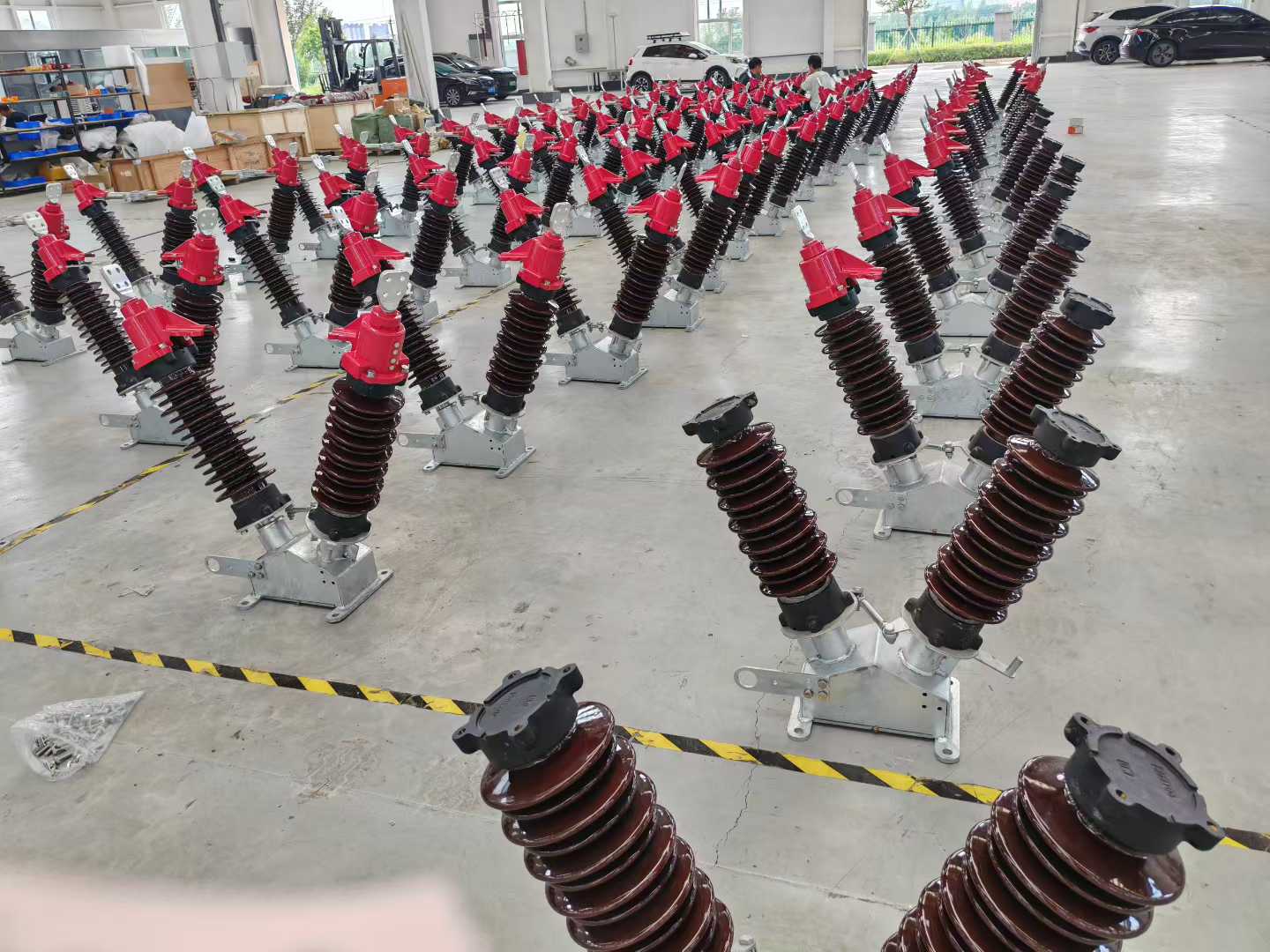
Innovations in electrical safety within modern manufacturing often stem from discreet yet transformative approaches, such as the integration of smart sensors that continuously monitor equipment for anomalies. These sensors, embedded in machinery or wiring systems, can detect subtle changes in temperature or current flow, alerting operators before hazardous conditions escalate. This proactive stance not only minimizes downtime but also significantly reduces the risk of electrical fires or shocks, making workplaces inherently safer without disrupting production flow. It's a shift from reactive repairs to predictive maintenance, quietly revolutionizing how factories manage their electrical infrastructure.
Another key secret lies in the use of advanced insulating materials, like nanocomposites, which provide superior protection against electrical faults. In high-voltage environments common in manufacturing, these materials offer enhanced durability and resistance to wear, ensuring that enclosures and components remain secure over time. By incorporating such innovations, manufacturers can extend the lifespan of electrical systems while maintaining strict safety standards, ultimately leading to cost savings and improved reliability. This subtle upgrade often goes unnoticed by end-users but plays a crucial role in preventing accidents and ensuring smooth operations.
Lastly, modern manufacturing embraces digital twins and simulation tools to test electrical safety measures virtually before implementation. By creating accurate digital replicas of production lines, engineers can identify potential hazards and optimize safety protocols without the risks associated with live testing. This approach allows for rapid iteration and customization, enabling manufacturers to adapt to new technologies or regulatory changes quickly. It represents a nuanced blend of innovation and practicality, helping industries stay ahead in safety while keeping secrets of their processes under wraps for competitive advantage.
From Raw Materials to Reliable Protection: The Production Journey
Behind every protective item lies a complex journey that begins long before it reaches your hands – it starts with sourcing the right raw materials. We meticulously select materials like high-grade polymers, specialized alloys, and advanced composites from trusted suppliers who meet strict sustainability and quality standards. This initial phase is crucial because the integrity of the final product depends on the foundation we build, ensuring that each component is not only durable but also ethically procured to support environmental responsibility.
Once the raw materials arrive at our facilities, they undergo a series of precision manufacturing processes that transform them into functional parts. From injection molding to CNC machining and automated assembly lines, each step is monitored with rigorous quality checks to eliminate defects and enhance performance. Our team of engineers and technicians works closely to innovate production techniques, incorporating real-time feedback to refine efficiency and maintain consistency across batches, which helps us deliver products that withstand real-world challenges without compromising on safety.
The final stage focuses on testing and validation, where every unit is subjected to extensive simulations and real-condition trials to verify its protective capabilities. We collaborate with independent laboratories and industry experts to certify that our products exceed regulatory requirements and user expectations. By blending traditional craftsmanship with cutting-edge technology, we ensure that what emerges is more than just a product – it's a promise of reliable protection, built from the ground up to offer peace of mind in diverse and demanding environments.
Quality Assurance in Action: Ensuring Switch Durability and Safety
In the world of electronic components, switches play a crucial role, often serving as the gateway for user interaction. That's why rigorous quality assurance is essential to guarantee their durability and safety. Our testing process includes exposing switches to millions of cycles under varied conditions, simulating years of regular use. This helps identify potential wear points early, ensuring that each switch can withstand the demands of daily applications without compromising performance.
Beyond durability, safety is a non-negotiable element in switch design. We conduct comprehensive safety assessments that go beyond standard compliance checks. For instance, our team evaluates thermal stability and electrical insulation under extreme scenarios, preventing hazards like overheating or short circuits. By integrating real-world stress tests, we certify that every switch not only lasts but also operates safely, protecting both users and connected systems.
What sets our approach apart is the continuous feedback loop from field data and user reports. We analyze failure modes and adjust our quality protocols accordingly, adapting to new challenges as they emerge. This proactive stance ensures that our switches remain reliable and safe in evolving environments, offering peace of mind for manufacturers and end-users alike.
The Heart of Electrical Systems: How Factories Build Secure Switches
When it comes to electrical systems in industrial settings, secure switches stand as the unsung heroes, quietly orchestrating power flow and ensuring safety. Factories approach their construction with a blend of precision engineering and rigorous testing. From selecting durable materials to designing fail-safe mechanisms, each step is tailored to withstand harsh environments and prevent accidents.
Innovation drives factories to craft switches that not only meet but exceed safety standards. Techniques like redundancy and thermal management are integrated to handle unexpected loads, while advanced manufacturing processes ensure consistency and reliability. This focus on detail transforms ordinary components into critical safeguards for machinery and personnel alike.
Beyond mere functionality, these switches embody a commitment to long-term performance, with features that adapt to evolving electrical demands. By prioritizing security from the ground up, factories deliver products that support resilient systems, making them indispensable in powering modern operations.
Engineering Excellence: Advanced Techniques in Disconnector Assembly
In the competitive world of electrical engineering, mastering disconnector assembly is crucial for ensuring operational safety and system reliability. This section delves into innovative techniques that go beyond basic installation, focusing on precision alignment and material selection to minimize mechanical stress and prevent premature failure under high-load conditions. By adopting these refined approaches, engineers can significantly enhance the longevity and performance of disconnect switches in demanding environments.
A key aspect of advanced assembly involves leveraging cutting-edge tools such as laser-guided calibration systems and torque-controlled wrenches, which allow for meticulous adjustments that traditional methods often overlook. These tools help achieve consistent contact pressure and proper insulation gaps, reducing the risk of arcing and thermal issues. Additionally, implementing modular component designs facilitates easier maintenance and upgrades, keeping pace with evolving grid requirements without full system overhauls.
Beyond technical skills, fostering a culture of continuous improvement through hands-on training and real-world simulations empowers teams to tackle complex assembly challenges proactively. By sharing insights from field tests and case studies, professionals can refine their techniques, ensuring each disconnector not only meets but exceeds industry standards, thereby driving overall engineering excellence in power distribution networks.
FAQ
A disconnector switch serves as a crucial safety device that physically isolates circuits during maintenance or emergencies, ensuring no current flows to prevent electrical shocks or equipment damage.
They utilize advanced automation with robotics for precision assembly, implement strict quality control through real-time monitoring, and integrate lean manufacturing to reduce waste and improve consistency.
High-grade copper or aluminum for conductive parts due to excellent conductivity, and durable insulating materials like ceramics or polymers to withstand high voltages and environmental stress.
These include visible isolation gaps, interlock systems that prevent accidental re-engagement, and arc-quenching technologies to safely manage electrical discharges.
By using energy-efficient machinery, recycling metal scraps, minimizing hazardous waste, and adhering to eco-friendly standards like RoHS for reduced environmental impact.
Trends include smart switches with IoT sensors for remote monitoring, 3D printing for custom components, and AI-driven predictive maintenance to enhance reliability and lifespan.
Conclusion
Modern disconnector switch factories craft precision electrical safety devices through sophisticated production journeys that transform raw materials into reliable protection systems. Behind the scenes, every component is engineered with meticulous attention to detail, employing advanced techniques in assembly to ensure each switch meets stringent durability standards. Innovations in manufacturing are seamlessly integrated throughout this process, from initial design to final testing, revealing the secrets behind enhanced electrical safety in contemporary industrial applications.
Quality assurance plays a pivotal role in these facilities, where rigorous inspections validate the integrity and performance of every switch before it reaches the market. As the heart of electrical systems, these factories build secure switches by combining engineering excellence with real-time monitoring and adaptive production methods. The emphasis on proactive safety measures and continuous improvement ensures that modern disconnector switches not only comply with regulations but also anticipate emerging challenges, providing robust and dependable protection in diverse electrical environments.
Contact Us
Contact Person: Doreen
Email: [email protected]
Tel/WhatsApp: 8618057712366
Website: https://www.liugaopower.com/