

Custom Switchgear Solutions for Reliable Power Distribution
2026-08-21
Standard switchgear works until it doesn't—and in power distribution, 'doesn't' usually means an outage you can't afford. Deepwill takes a different route: custom switchgear built around your actual fault levels, load patterns, and physical constraints. No forcing square pegs into round holes. The payoff is distribution equipment that holds steady under real operating stress. Below, we break down what goes into that tailored fit and why it matters for long-term reliability.
Matching Physical Layout Constraints Without Losing Access to Critical Parts
Designing within tight physical boundaries often forces compromises, yet the real challenge is preserving serviceability when every millimeter counts. Instead of treating access as an afterthought, effective layouts integrate removable panels, swing arms, or sliding rails that expose high-maintenance components without increasing the footprint. For example, mounting a pump vertically rather than horizontally frees floor space while keeping its seal and impeller reachable from a single side panel. This approach shifts the focus from static arrangement to dynamic accessibility, ensuring that the most failure-prone parts are never buried behind fixed structures.
One practical method is to overlap maintenance zones rather than duplicate them. In dense equipment cabinets, aligning air filters, drain valves, and electrical terminals along a shared service corridor lets technicians reach three systems from one kneeling position. Similarly, using quick-release fasteners on protective covers eliminates the need for extra clearance around screwdriver swing arcs. By studying the actual hand and tool movements during routine checks, designers can reclaim wasted space while keeping every critical fastener, port, and connector within an arm's length.
The best layouts also account for the order of disassembly. If a controller board must be removed before a filter can be changed, then the controller's mounting bracket should slide out easily without disturbing adjacent wiring. A clever trick used in avionics bays is to place sacrificial, low-cost brackets in high-wear areas, so that repeated maintenance wears down the bracket instead of the expensive chassis. In this way, physical constraints become drivers of innovation rather than obstacles, and the machinery remains fully serviceable throughout its life, no matter how cramped the installation environment becomes.
Designing Around Your Load Curve Instead of Forcing Generic Ratings
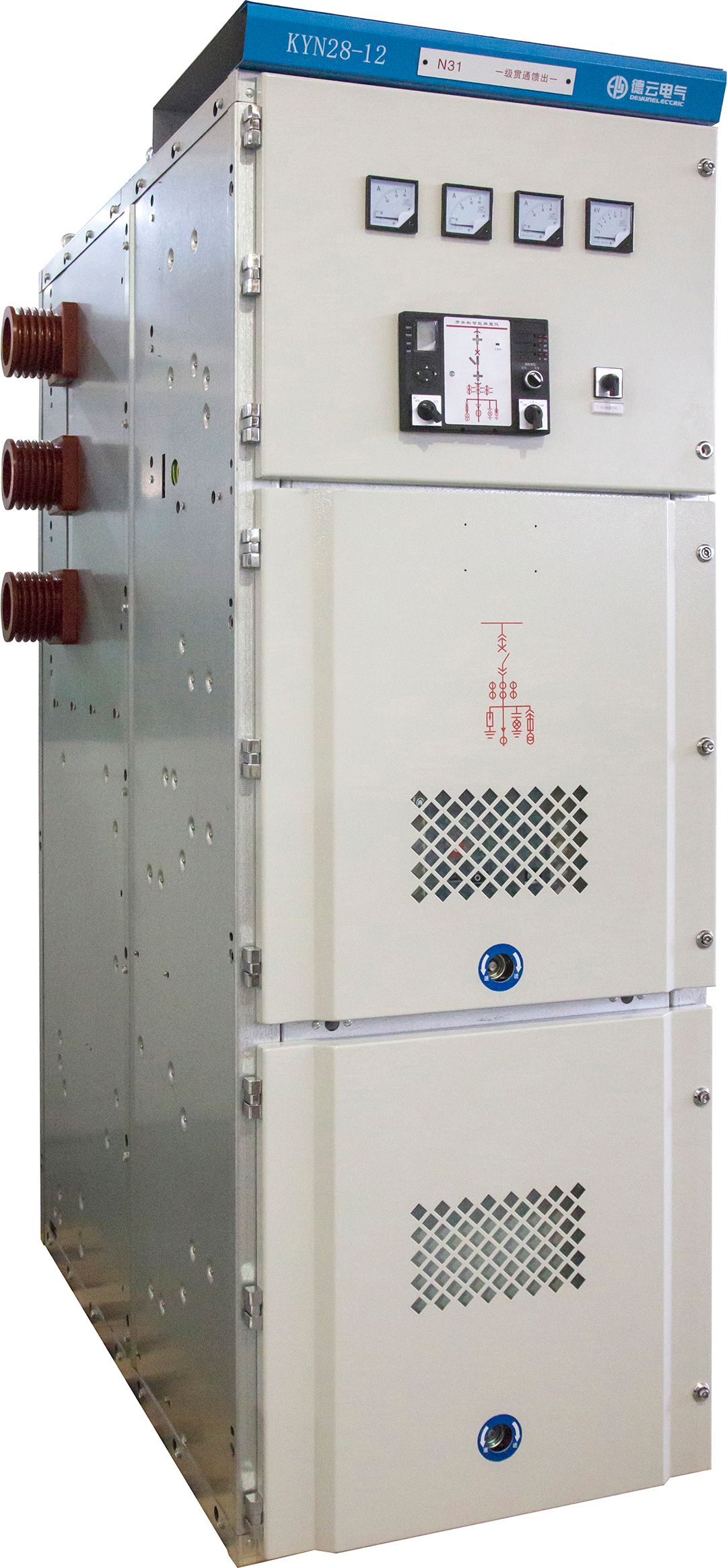
Load curves tell the honest story of how your equipment actually works. A motor that runs at 80 percent capacity all day doesn't need a nameplate rated for intermittent peak overloads. Matching your design to the real duty cycle often lets you select a smaller, simpler drive that runs cooler and lasts longer. Generic ratings assume worst-case conditions that may never occur in your application.
When you reverse the typical selection process, unexpected savings appear. Instead of picking a horsepower rating first and hoping it fits, map the torque and speed profile over a full shift. You might find that a continuous-duty motor with modest overload capability outperforms a larger intermittent-duty unit, because the thermal mass and cooling airflow align with how you actually load it. This approach avoids paying for capacity you never tap while reducing frame size and installation cost.
The real advantage shows up in maintenance and energy use. A drive sized to the load curve spends more time in its efficient operating band, and components experience less thermal stress. Technicians stop replacing bearings and windings that fail from being run too lightly or too hard. In practice, designing around the curve means reading the application first and letting the ratings follow, not the other way around.
How Enclosure Material Choices Shift Maintenance Intervals
Material selection quietly dictates how often an enclosure demands attention. A powder-coated carbon steel cabinet may look fine after installation, but coastal humidity finds every microscopic scratch, and within two years you are spot-sanding rust blooms and wondering if the gasket seat is still sound. Switch the same footprint to 316 stainless and that interval stretches fivefold or more—not because stainless never gets dirty, but because the failure modes that force scheduled downtime simply lose their foothold.
Polycarbonate and fiberglass enclosures rewrite the schedule differently. They shrug off chemical splash and salt spray that would eat painted steel, yet ultraviolet exposure embrittles many polycarbonate blends, turning snap latches brittle and hinge bosses prone to cracking. Maintenance shifts from corrosion control to hardware inspection: replacing aged latches, checking gasket compression, and watching for micro-crazing around cutouts. In a shaded wastewater plant, a fiberglass box may run a decade with only wipe-downs; on an unshaded rooftop, the same box asks for latch replacements every three years.
The real savings show up in the maintenance log, not the upfront invoice. A modest upgrade from galvanized to 304 stainless can eliminate monthly washdown-related inspections in food processing, while choosing UV-stabilized polycarbonate over standard ABS prevents a predictable cycle of door replacements. Call it material-driven deferral: you are not buying a box so much as buying longer stretches of unattended, trouble-free service.
Arc-Resistant Barriers That Still Allow Hands-On Troubleshooting
Traditional arc-resistant barriers solve one problem but create another. They seal equipment behind heavy panels that stop an arc flash from escaping, yet every time a technician needs to check a connection, swap a fuse, or trace a signal, those panels have to come off. That means shutting down the line, suiting up in full PPE, and losing precious production minutes. The new generation of designs flips this logic on its head by building in access points that stay sealed against arc energy while still letting gloved hands reach the components that matter.
The trick lies in how the openings are constructed. Instead of a simple hinged door that's either open or closed, these barriers use overlapping baffles, spring-loaded covers, or transparent polycarbonate viewports with integrated glove ports. A technician can slide a hand through a narrow, energy-absorbing channel to flip a breaker or probe a terminal block without exposing any part of the body to a potential flash. The geometry of the opening is calculated so that even if an arc occurs during the procedure, the pressure wave and hot gases are redirected inward or dissipated through a filtered vent, never toward the operator.
For maintenance teams, this changes the daily routine entirely. Troubleshooting a drive that intermittently faults no longer requires a full lockout and a two-person crew. One technician can safely wiggle a loose control wire or read a diagnostic LED while the system remains energized, cutting what used to be a 45-minute shutdown into a five-minute check. And because the barrier itself is still rated for the same arc energy as a solid panel, the facility stays compliant with safety standards without sacrificing the hands-on access that keeps equipment running smoothly.
A Single Point of Responsibility From Drawings Through Startup
When you hand off a project between separate design and construction teams, details slip. A single point of responsibility removes that seam. One group owns the drawings, the procurement, the installation, and the final walkdown. If a motor doesn't align with its baseplate, nobody debates whose error it was—the same engineers who drew it are on the hook to fix it.
That continuity matters most at startup. The people who specified the valve sizes and control logic are the ones watching the first live run. They recognize an unexpected pressure drop not as an abstract deviation but as a problem they can trace back to their own P&ID. Fixes happen faster because there's no chain of emails between consultants and contractors.
From the first sketch to the moment the system runs at full load, the team carries both the technical knowledge and the accountability. Owners get one number to call, one schedule to track, and one throat to choke if the promised performance doesn't show up.
Why Future Expansion Should Shape Today’s Bus Configuration
Designing a bus layout strictly around current requirements often looks like the leanest path, but that narrow focus quietly builds a wall for tomorrow. A backplane or interconnect that barely satisfies today's device count and data rates leaves no room for the extra sensor, the second storage controller, or the next-gen peripheral that shows up twelve months later. Retrofitting usually means rerouting signals, adding bridging chips, or spinning a new board—expenses that dwarf any initial savings.
A better habit is to treat unused lanes, spare connectors, and higher-than-needed trace impedance margins as deliberate investments rather than waste. Those open channels let you absorb bandwidth bumps or new protocol versions without touching the core routing. Modular physical layouts help too, allowing a section of the bus to be swapped or extended while the rest stays intact. When the next requirement arrives, the system grows in a week instead of forcing a six-month redesign.
FAQ
Custom builds match the exact load profile, fault current levels, and environmental conditions of your site. Instead of forcing a generic product to fit, every busbar, breaker, and relay setting is selected for your real operating conditions. This reduces hot spots and nuisance trips, and the equipment lasts longer under daily stress.
We start with an arc flash study to identify incident energy levels, then place current-limiting fuses, arc-resistant enclosures, or remote racking systems where they actually matter. The layout can also isolate high-energy sections so a fault in one compartment doesn't cascade through the entire lineup.
Yes. For coastal sites or chemical plants, we specify stainless steel enclosures, sealed cable entries, and corrosion-resistant bus coatings. Cooling systems can be upgraded for desert heat, and space heaters prevent condensation in humid areas. The design matches the weather, not the other way around.
Typically we cover low-voltage systems from 480 V up to 15 kV class, with continuous current ratings from 600 A to 6,000 A. For special applications like mining or data centers, we can engineer higher interrupting ratings or DC switchgear as well.
A standard customized lineup usually takes 16 to 24 weeks after drawings are approved. Complex projects with arc-resistant construction, generator paralleling controls, or seismic qualification can extend to 30 weeks or more. Early involvement in your project schedule helps lock in the delivery date.
Absolutely. We can embed power quality meters, temperature sensors on critical joints, partial discharge monitors, and remote breaker controls. These connect to your SCADA or building management system through Modbus, IEC 61850, or other protocols, so you can watch switchgear health without opening the door.
Yes. If your bus structure and enclosure are still sound, we can replace aging breakers with modern vacuum or SF6 units, upgrade protective relays to digital models, and add arc flash reduction maintenance switches. This cuts downtime and cost compared to a full replacement, while bringing old gear closer to current safety standards.
Every assembly receives a routine production test: dielectric withstand, mechanical operation, and verification of protective relay settings. For critical applications we also offer temperature rise tests, short-circuit withstand tests on a sample design, and witness testing at an accredited lab. You get test reports, not just a promise.
Conclusion
Custom switchgear design often starts with the physical space you actually have, not the ideal layout a catalog assumes. Matching enclosure dimensions to real-world constraints doesn't mean burying breakers or meters behind panels that never come off. Thoughtful placement keeps every critical termination, test point, and operating handle reachable without a ladder or a mirror. At the same time, the internal bus rating shouldn't be pulled from a generic chart. It should follow your measured load curve, so you're not paying for copper you'll never heat up or, worse, undersizing a feeder that peaks for two hours every morning. This level of fit isn't accidental; it comes from measuring actual clearances and operating angles before the first fabrication cut.
Enclosure material selection directly shapes how often you schedule maintenance—coated steel, stainless, or aluminum each age differently in humidity, dust, or corrosive air. Where arc-resistant barriers are required, they can still be arranged so a technician can open a low-voltage compartment and use a meter without defeating the safety rating. Having one party own the drawings, fabrication, relay settings, and startup walk-down eliminates the finger-pointing that stalls commissioning. And because every facility changes, today's bus configuration should include spare lugs, isolated sections, or a tie-breaker location that makes a future addition a weekend task instead of a shutdown-and-rebuild.
Contact Us
Contact Person: Julion
Email: [email protected]
Tel/WhatsApp: 8617351370631
Website: https://www.deyunelectric.com