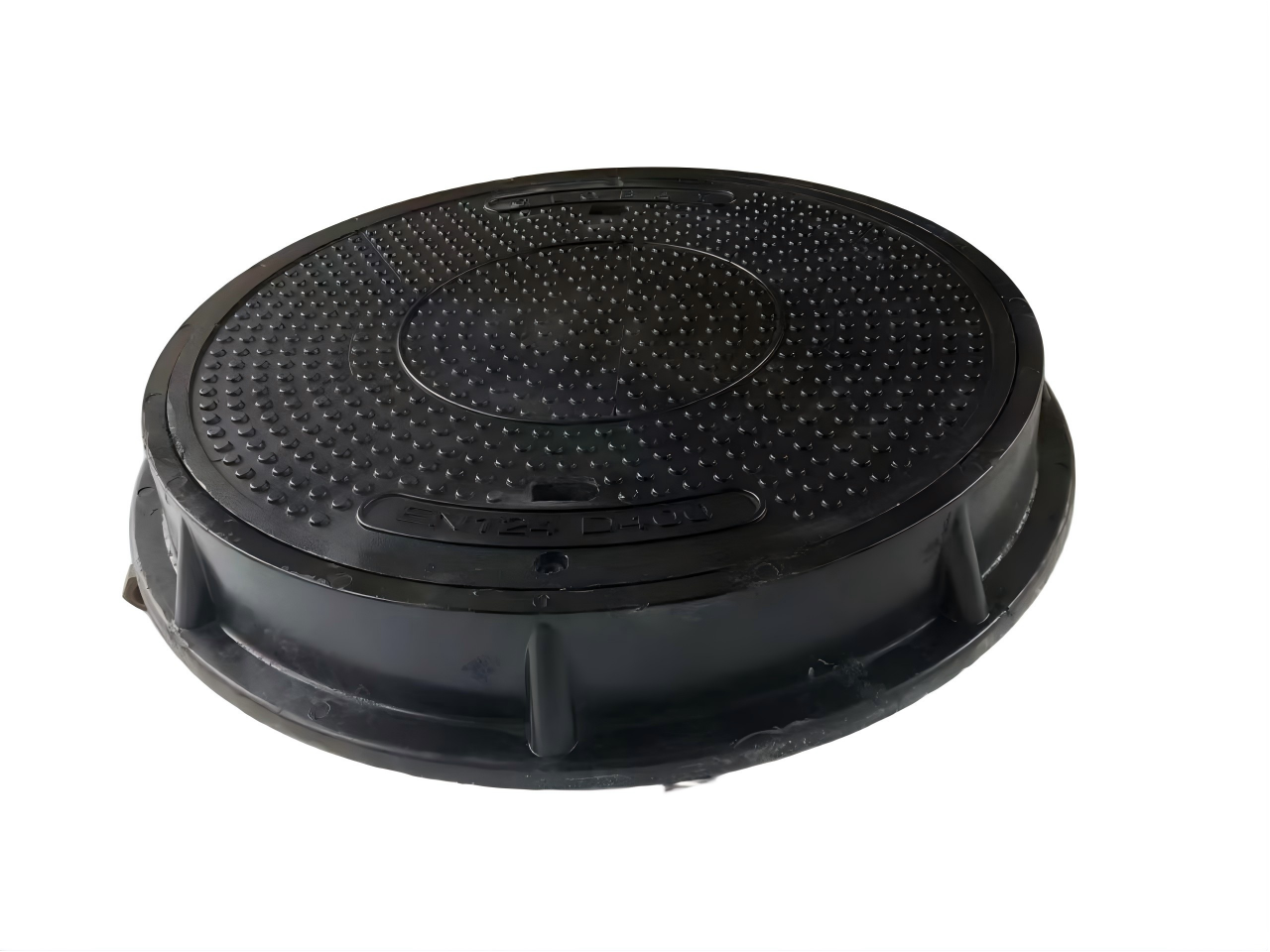
Custom ODM FRP Manhole Covers: Durable Solutions for Urban Infrastructure
2026-03-13
In the bustling heart of our cities, beneath the relentless flow of traffic and footfalls, lies a critical component of urban infrastructure that often goes unnoticed: manhole covers. Yet, these seemingly simple fixtures play a vital role in maintaining safety, accessibility, and efficiency. Enter the world of Custom ODM FRP Manhole Covers – engineered not just for durability, but for innovation tailored to modern urban demands. At Sino Grating, we specialize in creating solutions that blend strength with customization, offering cities resilient alternatives to traditional materials. This blog explores how these advanced covers are redefining urban landscapes, promising longevity, safety, and a smarter approach to infrastructure. Curious to learn more? Let’s delve into the details of how Sino Grating is paving the way for stronger, safer cities.
The Unseen Strength of FRP in Modern Manhole Covers
FRP, or Fiber-Reinforced Polymer, brings an unexpected but profound advantage to manhole covers, often overlooked in urban infrastructure. Unlike traditional materials like cast iron or concrete, FRP offers a blend of durability and flexibility that withstands extreme environmental stressors without corroding or cracking. This strength lies in its composite nature, where fibers embedded in a polymer matrix create a lightweight yet robust structure, capable of handling heavy loads while resisting chemical degradation from road salts and pollutants. It's not just about bearing weight; it's about lasting longer with minimal maintenance, a silent revolution underfoot that cities are slowly embracing.
Beyond its physical properties, the unseen strength of FRP in modern manhole covers extends to safety and efficiency. These covers are less prone to theft due to their non-metallic composition, reducing public hazards and replacement costs. Moreover, their lighter weight makes installation and maintenance quicker and safer for workers, minimizing traffic disruptions and potential injuries. In areas prone to extreme weather, FRP's resistance to temperature fluctuations prevents warping and ensures a snug fit, preventing water infiltration that can damage underground utilities. This adaptability makes FRP a smart choice for both new installations and retrofits, quietly enhancing urban resilience without fanfare.
Looking ahead, the role of FRP in manhole covers is poised to grow as cities seek sustainable and cost-effective solutions. Its recyclability and lower environmental impact compared to metal alternatives align with green building trends, offering a forward-thinking approach to infrastructure. Innovations in composite technology could further improve load-bearing capacities and design flexibility, allowing for customized covers that blend seamlessly with urban aesthetics. While it might not grab headlines, this material's hidden fortitude represents a quiet shift towards smarter, more resilient cities, proving that sometimes, the most powerful advances are the ones we walk over every day without noticing.
Tailored Solutions: How Custom ODM Designs Revolutionize Urban Settings
In bustling urban environments, off-the-shelf products often fall short in addressing unique challenges like space constraints, diverse population needs, and environmental sustainability. Custom ODM designs step in to fill this gap, offering tailored solutions that adapt to the specific demands of city planners, architects, and communities. By collaborating closely with clients, ODM services can develop innovative urban furniture, smart infrastructure, and modular buildings that not only enhance functionality but also reflect the cultural and aesthetic identity of each locale. This approach transforms generic spaces into vibrant, efficient hubs that support daily life and foster social interaction, making cities more livable and resilient against future growth pressures.
What sets custom ODM designs apart is their ability to integrate cutting-edge technologies seamlessly into urban settings, from IoT-enabled streetlights that adjust brightness based on foot traffic to waste management systems optimized for high-density areas. Unlike standard offerings, these bespoke solutions prioritize local materials and sustainable practices, reducing carbon footprints and promoting circular economies. This revolution isn't just about aesthetics; it's a pragmatic shift towards smarter, more responsive cities that evolve with their inhabitants' needs, ensuring that urban development remains agile and forward-thinking in an era of rapid urbanization.
By embracing custom ODM designs, cities can move beyond cookie-cutter approaches and tackle issues like overcrowding, resource management, and public safety with precision-engineered answers. This tailored model encourages innovation at the grassroots level, empowering local stakeholders to co-create solutions that are both cost-effective and scalable. Ultimately, it redefines how we perceive urban progress, turning challenges into opportunities for sustainable, human-centric design that leaves a lasting positive impact on communities worldwide.
Longevity Under Pressure: Why FRP Outlasts Traditional Materials
In demanding environments where materials face extreme stress and harsh conditions, traditional options like steel or concrete often struggle to maintain their integrity over time. Fiberglass Reinforced Plastic (FRP) emerges as a game-changer, boasting exceptional durability that stems from its unique composite structure. By weaving glass fibers into a polymer resin matrix, FRP combines the strength of glass with the resilience of plastics, creating a material that resists corrosion, impact, and fatigue far better than conventional counterparts. This inherent toughness allows it to withstand pressures—both physical and environmental—that would quickly degrade other materials.
Unlike metals that rust or wood that rots, FRP's resistance to moisture, chemicals, and UV exposure makes it ideal for applications ranging from industrial piping to coastal infrastructure. Its lightweight nature doesn't compromise performance, enabling easier installation and lower maintenance costs over the long haul. Studies and field reports consistently show that structures built with FRP maintain their functionality decades later, while similar projects using traditional materials require frequent repairs or replacements. This longevity isn't just theoretical; it's proven in real-world scenarios like offshore platforms or chemical plants.
What truly sets FRP apart is its ability to adapt and endure under pressure without succumbing to common failure points. It doesn't warp, crack, or lose structural integrity in fluctuating temperatures, making it a reliable choice for harsh climates. As industries seek sustainable and cost-effective solutions, FRP's extended lifespan reduces waste and resource consumption, offering a smart alternative that simply outlasts the old standards.
Seamless Integration: Blending Durability with Urban Aesthetics
Imagine strolling through a city where every element, from the benches you sit on to the light poles that guide your way, feels perfectly in tune with its surroundings. This is the essence of seamless integration—a design approach that doesn't just place durable materials into an urban landscape but weaves them in as if they've always belonged. It's about moving beyond the mere functional to create spaces that resonate emotionally, turning everyday infrastructure into pieces of art that stand the test of time.
In practice, achieving this blend means selecting robust materials like weather-resistant metals or recycled polymers, then shaping them with an eye for subtlety and grace. Think of a bike rack that mimics the flowing lines of nearby architecture, or a sidewalk made from pavers that not only withstand heavy foot traffic but also reflect the neighborhood's unique character. It's a delicate dance between strength and style, ensuring that durability doesn't come at the cost of visual harmony.
Ultimately, the goal is to craft environments where people feel a deeper connection to their city. By prioritizing durability without sacrificing aesthetics, we foster a sense of pride and ownership among residents. This approach transforms urban areas into dynamic canvases that evolve gracefully, proving that practical solutions can be beautiful, and beauty can endure for generations to come.
Innovation in Infrastructure: The Smart Advantages of FRP Technology
In today's rapidly evolving construction landscape, FRP technology stands out as a groundbreaking innovation that redefines the very fabric of infrastructure. Unlike traditional materials such as steel or concrete, fiber-reinforced polymer offers a unique blend of high strength-to-weight ratio and exceptional durability, making it ideal for projects where longevity and resilience are paramount. This material's inherent resistance to corrosion and environmental degradation ensures that structures can withstand harsh conditions without costly maintenance, positioning it as a smart choice for sustainable development.
Beyond its physical properties, the smart advantages of FRP extend to its adaptability and ease of installation. Engineers and architects are leveraging its versatility to create complex designs that were once constrained by material limitations, from lightweight bridges that reduce load on supports to modular building components that accelerate construction timelines. By integrating seamlessly with modern smart technologies, FRP enables real-time monitoring and data collection, allowing for predictive maintenance and enhanced safety in critical infrastructure systems, thus paving the way for more intelligent, responsive urban environments.
Moreover, the environmental impact of FRP technology cannot be overstated; its production involves lower carbon emissions compared to conventional materials, and its recyclability promotes a circular economy. This forward-thinking approach not only addresses immediate infrastructure challenges but also aligns with global sustainability goals, making FRP a cornerstone of future-proofing our built world. As industries continue to innovate, the smart deployment of FRP is set to revolutionize how we conceive and construct the frameworks that support modern society.
Future-Proofing Cities: The Role of Custom FRP Covers in Sustainable Development
In today's rapidly urbanizing world, cities face immense pressure to adapt to environmental challenges while maintaining infrastructure integrity. Custom FRP (Fiber Reinforced Polymer) covers emerge as a crucial component in this ongoing transformation, providing tailored solutions that enhance durability and reduce ecological footprints. By leveraging advanced materials that resist corrosion, weathering, and wear, these covers protect vital assets such as water treatment facilities, ventilation systems, and public utilities, thereby extending their lifespan and minimizing disruptions to urban life.
Beyond mere protection, FRP covers contribute to sustainable development by aligning with circular economy principles. Their lightweight nature allows for easier installation and reduced energy consumption during transportation, while their potential for recycling at end-of-life supports waste reduction efforts. Innovatively designed covers can also incorporate features like solar panels or green roofs, turning functional urban elements into multifunctional assets that generate renewable energy or promote biodiversity, thus adding value to cityscapes in unexpected ways.
As cities strive to become more resilient against climate change and resource constraints, the customization aspect of FRP covers cannot be overstated. Engineers and planners can adapt designs to local conditions, such as extreme weather patterns or aesthetic requirements, ensuring that infrastructure not only performs efficiently but also blends seamlessly into the urban fabric. This proactive approach helps cities avoid costly retrofits down the line, making FRP covers a smart, forward-thinking investment in creating livable, sustainable environments for future generations.
FAQ
Custom ODM FRP manhole covers are made from fiberglass reinforced plastic, designed to meet specific client requirements through original design manufacturing. Unlike traditional cast iron or steel covers, they are lighter yet highly durable, resistant to corrosion and chemicals, and easier to install and maintain in urban settings.
Cities can benefit from FRP manhole covers due to their longevity and reduced maintenance costs. They don't rust or degrade easily, making them ideal for harsh urban environments with exposure to water and salts, and their lighter weight simplifies handling and reduces installation time and labor expenses.
These covers enhance safety by providing non-slip surfaces and high load-bearing capacity, preventing accidents in pedestrian and vehicular zones. Their customizable design allows for better integration with surrounding infrastructure, improving accessibility for maintenance crews and emergency services.
Yes, as part of the ODM process, FRP manhole covers can be customized in various aspects including color, size, shape, and load ratings to match specific project requirements, ensuring a seamless fit and optimal performance in diverse urban applications.
FRP materials are more environmentally friendly as they are often made from recyclable components and have a lower carbon footprint in production. They reduce the need for frequent replacements, minimizing waste, and their resistance to corrosion means less chemical runoff into the environment.
These covers are engineered to withstand extreme weather, including freeze-thaw cycles and UV exposure, without cracking or warping. They are tested for heavy traffic loads, offering high strength-to-weight ratios that ensure durability and reliability even in busy urban thoroughfares.
Maintenance is minimal; periodic inspections for debris removal and checking for any surface wear are typically sufficient. Unlike metal covers, FRP does not require painting or anti-corrosion treatments, saving on long-term upkeep costs and resources.
Conclusion
Custom ODM FRP manhole covers represent a transformative advancement in urban infrastructure by offering durable, long-lasting solutions tailored to modern city needs. Their unseen strength lies in Fiber Reinforced Polymer technology, which provides superior resistance to corrosion, heavy loads, and environmental stress compared to traditional materials like metal or concrete, ensuring longevity under pressure in diverse urban settings. This durability is enhanced through custom designs that revolutionize urban landscapes by fitting specific requirements such as size, shape, and load capacity, allowing for seamless integration that blends durability with urban aesthetics without compromising functionality. By addressing common issues like rust and weight, FRP covers contribute to safer, more reliable infrastructure that can withstand the rigors of daily use and extreme conditions.
Moreover, these custom covers incorporate innovation in infrastructure through smart advantages, such as lightweight properties that ease installation and maintenance, reducing labor costs and enhancing efficiency. They play a crucial role in future-proofing cities by supporting sustainable development, often made from recyclable materials that minimize environmental impact and align with eco-friendly urban planning. As cities evolve, the adaptability of ODM FRP solutions ensures they remain relevant, offering a flexible and scalable approach to infrastructure management that promotes resilience and modernization. Overall, these covers provide a holistic solution that marries strength, customization, and sustainability, making them an essential component for building smarter, more durable urban environments.
Contact Us
Contact Person: Nicholas Zhu
Email: [email protected]
Tel/WhatsApp: 18921275456
Website: https://www.sino-grate.com