
Custom Heat-Resistant Conveyor Belt Solutions in China: Innovative Industrial Applications
2026-04-04
In the heart of China's industrial landscape, innovation is revolutionizing how businesses handle extreme environments. Our latest blog delves into 'Custom Heat-Resistant Conveyor Belt Solutions in China: Innovative Industrial Applications,' exploring cutting-edge technologies that push the boundaries of performance and efficiency. At XAN, we're proud to lead the charge with tailored solutions that not only withstand intense heat but also enhance operational reliability. Join us as we uncover real-world applications and insights that will transform your industrial processes, sparking curiosity and setting the stage for deeper exploration ahead.
Innovations in Chinese Heat-Resistant Conveyor Belt Materials and Manufacturing
China has made significant strides in developing advanced heat-resistant conveyor belt materials that cater to industries operating in extreme environments. Recent breakthroughs include the use of specialized rubber compounds, such as ethylene-propylene-diene monomer (EPDM) and silicone rubber, which offer superior resistance to temperatures exceeding 200°C. These materials are engineered to maintain their elasticity and structural integrity under prolonged heat exposure, reducing the risk of belt degradation and failure in applications like cement production, steel mills, and power plants.
On the manufacturing front, Chinese companies are adopting innovative techniques like precise vulcanization processes and enhanced coating methods to improve belt durability. For instance, the integration of nanotechnology in fabric coatings has led to faster heat dissipation and increased abrasion resistance. Additionally, modular designs and automation in production lines allow for customized solutions, enabling belts to handle specific thermal loads and operational stresses more effectively than ever before.
These material and manufacturing innovations not only boost performance but also contribute to longer service life and reduced maintenance costs. By pushing the boundaries of heat resistance, Chinese manufacturers are helping industries worldwide improve efficiency and safety in their most demanding operations.
Diverse Industrial Applications of Custom Heat-Resistant Belts in China
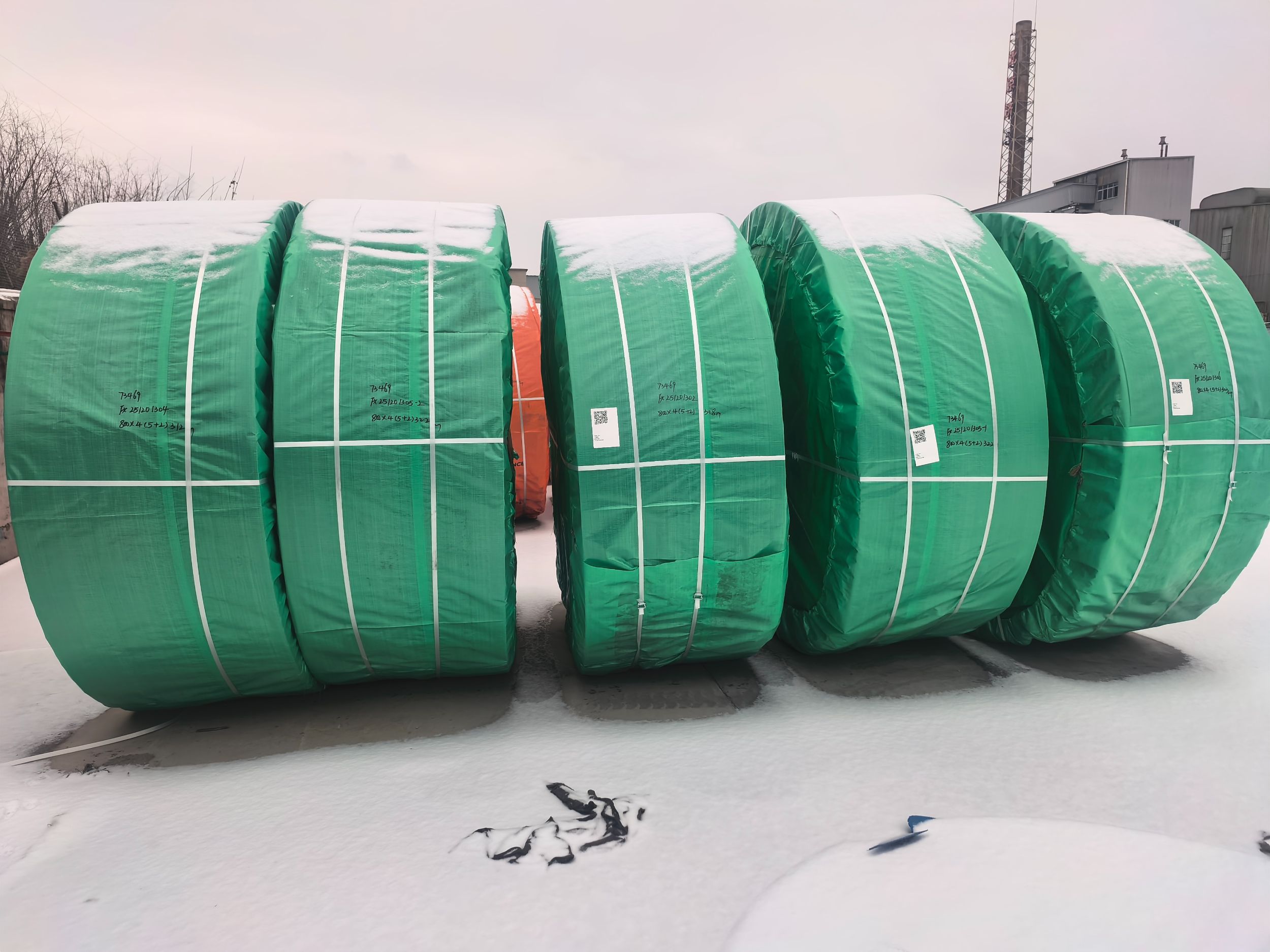
In China's rapidly expanding manufacturing sector, custom heat-resistant belts are finding unique applications across various industries. From conveying high-temperature materials in steel plants to handling baked goods in food processing lines, these belts are engineered to withstand extreme conditions while maintaining flexibility and durability. For instance, in the automotive industry, they facilitate seamless part transportation through paint-drying ovens, ensuring efficient production without compromising safety.
Beyond traditional uses, innovative adaptations have emerged in niche settings like solar panel manufacturing, where belts must endure intense heat during silicon wafer processing. This versatility allows companies to optimize workflows, reduce downtime due to belt failures, and enhance overall productivity. By tailoring properties such as material composition and heat tolerance, manufacturers create solutions that address specific operational challenges across China's diverse industrial landscape.
The push toward sustainability and energy efficiency has further spurred adoption in sectors like recycling and waste management. Heat-resistant belts help process industrial waste at elevated temperatures, supporting China's green initiatives while delivering cost-effective performance. This trend highlights how custom belts are not just functional components but also drivers of innovation, enabling industries to adapt to evolving demands and regulatory standards.
Case Studies: Successful Implementations in Harsh Environmental Conditions
Imagine deploying technology in the heart of the Sahara, where sandstorms can blind sensors and scorching temperatures threaten to melt components. One standout example is a solar-powered water purification system installed in rural Niger. Rather than relying on fragile electronics, engineers used passive solar thermal designs and durable, corrosion-resistant materials. This system has been operational for over five years, providing clean water to communities despite extreme heat and frequent dust exposure, demonstrating that simplicity and robust material choices can trump complexity in harsh settings.
In the Arctic, where freezing temperatures and ice buildup are constant challenges, a telecommunications company implemented a wind turbine network to power remote research stations. Traditional solutions often failed due to icing on blades or battery failure in the cold. By integrating heated blade coatings and cold-tolerant battery technologies, this project has maintained reliable power for three consecutive winters, showcasing how adaptive engineering can overcome the brutal cold and ensure connectivity in some of the world's most isolated regions.
Off the coast of Australia, a marine monitoring system was deployed in the Great Barrier Reef, where saltwater corrosion and strong currents pose significant risks. Instead of using standard metal housings, the team opted for titanium alloys and advanced antifouling coatings to prevent degradation. This system has collected continuous data on coral health and water quality for two years, surviving cyclones and constant salt spray, and highlighting the importance of material innovation and rigorous testing in marine environments to achieve long-term success.
Advantages of Tailored Solutions for Enhanced Efficiency and Durability
When solutions are custom-designed to fit precise operational needs, they often eliminate unnecessary steps and integrate seamlessly into existing workflows, directly boosting efficiency.
This tailored approach also focuses on using materials and components specifically chosen for their resilience in your unique environment, extending the lifespan of the system and reducing long-term costs.
Beyond generic fixes, customized systems adapt to real-world usage patterns, ensuring consistent performance and durability that standard alternatives might miss, giving you a more reliable and cost-effective advantage.
Economic and Environmental Benefits of Using Custom Heat-Resistant Belts
Custom heat-resistant belts offer significant economic advantages by optimizing industrial processes, reducing downtime, and minimizing maintenance costs. These belts are specifically engineered to withstand extreme temperatures, preventing early wear and tear that often occurs with generic alternatives. As a result, businesses experience fewer production interruptions, leading to enhanced operational efficiency and cost savings. The longer lifespan of custom belts also means less frequent replacements, contributing to a more predictable and reduced total cost of ownership over time.
On the environmental front, utilizing custom heat-resistant belts promotes sustainability by decreasing energy consumption and waste generation. Their ability to perform reliably at high temperatures ensures that energy is not wasted on inefficient operations or repeated heating cycles. Moreover, the durability of these belts reduces the volume of discarded materials sent to landfills, supporting eco-friendly waste management practices. This alignment with environmental goals not only meets regulatory standards but also enhances a company's reputation among increasingly conscious consumers.
Beyond direct savings, the adoption of custom heat-resistant belts fosters innovation and competitiveness in the market. By tailoring these components to specific operational needs, companies can achieve greater precision and flexibility in their processes, unlocking new capabilities and improving product quality. This strategic advantage helps businesses stay ahead in a dynamic industrial landscape, driving long-term growth while simultaneously reinforcing their commitment to both economic and environmental stewardship.
Future Trends and Developments in China's Conveyor Belt Industry
As global manufacturing increasingly shifts toward automation, China's conveyor belt industry is poised for a technological transformation. Rather than just scaling up production, companies are focusing on smart integration—embedding sensors and IoT capabilities directly into belt materials. This allows real-time monitoring of wear, tension, and efficiency, reducing downtime by up to 30% in pilot factories. It's a shift from selling products to offering data-driven solutions, with partnerships emerging between traditional belt manufacturers and tech startups.
Sustainability is becoming a core driver, not just a compliance checkbox. In response to tightening environmental regulations, Chinese producers are innovating with bio-based polymers and recycled rubber composites that match the durability of conventional materials. Some are even exploring modular designs that enable easy disassembly and recycling at end-of-life. This pivot isn't just about greener materials; it's reshaping supply chains, as firms source locally to cut carbon footprints and appeal to eco-conscious global buyers.
The industry's future also hinges on customization for niche sectors. While mining and logistics remain staples, demand is surging for specialized belts in areas like food processing (with anti-microbial coatings) and solar panel assembly (designed for delicate handling). Small to mid-sized enterprises are thriving by offering rapid prototyping and small-batch orders, challenging larger rivals' one-size-fits-all approach. This trend reflects a broader move toward agile, client-specific engineering, where conveyor systems are tailored to unique operational flows rather than standardized layouts.
FAQ
They offer cost-effective customization, advanced materials like silicone-coated fabrics, and rapid prototyping to meet diverse industrial needs, setting them apart from standard off-the-shelf options worldwide.
By integrating multi-layer insulation, specialized rubber compounds that withstand up to 400°C, and reinforced structures to prevent deformation and ensure long-term durability in harsh environments.
In waste-to-energy plants, they're used to transport incinerated materials at elevated temperatures, incorporating self-cleaning designs to reduce maintenance and improve efficiency in recycling processes.
They enhance energy efficiency by minimizing heat loss, reduce waste through durable materials that last longer, and support cleaner operations in industries like mining and chemical processing.
It involves close collaboration with clients to analyze operational conditions, using simulation software to test heat resistance and load capacity, followed by iterative prototyping for optimal performance.
Trends include the adoption of IoT sensors for real-time monitoring, eco-friendly materials to lower carbon footprints, and modular designs that allow easy upgrades for evolving industrial demands.
Conclusion
China's conveyor belt industry has achieved remarkable advancements in heat-resistant solutions, driven by innovations in materials and manufacturing. By integrating high-performance compounds and advanced production techniques, manufacturers produce belts capable of withstanding extreme temperatures while maintaining flexibility and strength. These tailored solutions cater to diverse industries, from metallurgy and cement to chemical processing, where harsh environmental conditions demand reliability. Custom designs ensure belts resist abrasion, corrosion, and thermal shock, enhancing operational efficiency and durability. This focus on innovation not only meets specific industrial needs but also positions China as a leader in the global market for high-quality, heat-resistant conveyor solutions.
Practical implementations across various sectors highlight the economic and environmental benefits of these customized belts. Case studies demonstrate significant improvements in productivity and safety, with reduced downtime and maintenance costs. By optimizing energy consumption and material usage, these solutions contribute to sustainability goals while boosting profitability. Looking ahead, future trends in China's conveyor belt industry point toward further technological integration, such as smart monitoring systems and eco-friendly materials, ensuring continued growth and adaptation to evolving industrial challenges in demanding applications.
Contact Us
Contact Person: Anna Lu
Email: [email protected]
Tel/WhatsApp: 8618561668850
Website: https://www.x-conveyor.com