

Cooler Bag Manufacturer Reveals How to Choose the Perfect Insulated Bag
2026-07-30
Ever had your drinks turn warm before the picnic even starts? The secret isn't just in the ice packs—it's in the bag itself. At CHALLENGE WOLVES, we've spent years engineering insulated bags that actually live up to the promise of all-day chill. Choosing the right one can feel overwhelming with all the options out there, but a few key differences separate the all-stars from the letdowns. Ready to crack the code on the perfect cooler bag? Let's dive in.
What Actually Makes a Cooler Bag Keep Ice for Days?
Most of the magic comes down to insulation that's way thicker than your average lunch bag. High-density foam, often polyurethane or closed-cell polyethylene, traps cold air inside and keeps warm air out, acting like a thermal shield. The effectiveness can vary a lot—bags with multiple layers and reflective linings extend ice retention from a few hours to multiple days, simply by resisting heat transfer more aggressively.
Beyond just padding, the seal matters just as much. Quality cooler bags use welded seams, leakproof zippers, or roll-top closures that eliminate sneaky air gaps where cold could escape. Even the shape plays a role: a squared-off interior with straight walls reduces surface area exposed to ambient heat compared to a tapered design, helping ice last longer without packing it in a block.
Don't overlook the role of what you put inside. Filling the bag completely, using pre-chilled items, and adding a sacrificial ice block at the bottom creates a deep cold environment that slows melting. Advanced bags even integrate gel packs or phase-change materials that freeze at lower temperatures, maintaining a steady chill for days rather than hours. It's a mix of smart materials science and simple thermal logic.
Sizing It Right Without Ending Up with a Heavy Brick
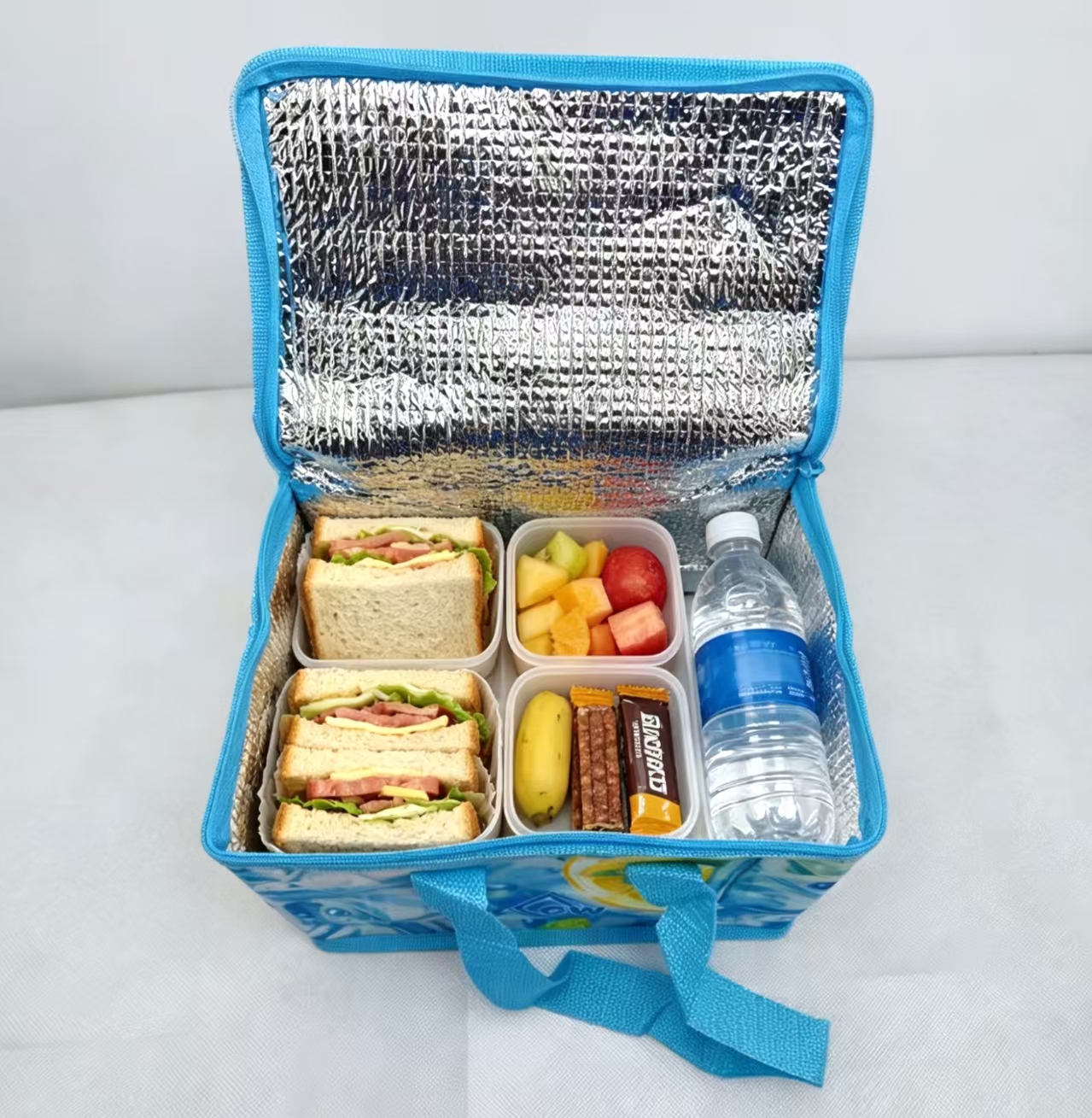
Getting the dimensions right is the first step toward a comfortable carry, but it’s astonishing how many well-intentioned designs turn into unwieldy slabs. The obsession with cramming more features often leads to extra bulk that your shoulders will resent after a few miles. Instead of chasing maximum capacity, start by asking what you truly need within arm’s reach. A slim, well-organized pocket layout can often outperform a cavernous main compartment that swallows your essentials into a jumbled abyss.
Material selection plays a silent but crucial role here—some fabrics add stiffness and weight without boosting durability. Look for modern nylons or canvas blends that soften over time but don’t start out like armor plate. Equally important is how the bag holds its shape when half-empty; a design that collapses gracefully will feel lighter and stay closer to your body, avoiding that dreaded brick-on-a-rope sensation. Padding should be targeted, not wall-to-wall, focusing on contact points rather than insulating your water bottle like a winter coat.
Test the fit with your actual load before committing, even if it means stuffing a display model with books and walking around the shop. A bag that feels featherlight empty can become a misery when the straps start digging in. Pay attention to how the weight transfers to your hips—proper back-length and a subtle frame can redistribute pounds in a way that makes the bag feel half its actual weight. Sometimes, the best way to avoid a heavy brick is to admit that less really is more, and that the perfect size isn’t a number but a feeling of freedom on your back.
The One Part That Leaks First and How to Spot a Good Seal
When it comes to waterproof gear, the spot most likely to fail first is right at the seal. Think of zippers, neck closures on dry suits, or the lid on a water bottle—these junctions are under constant stress. Even tiny misalignments allow moisture to sneak through. The seal’s job is to create an unbroken barrier, but friction, dirt, and repeated use can degrade it faster than any other component. Paying attention to how the seal sits at rest tells you a lot about its long-term reliability.
A good seal isn’t just about soft, squishy rubber—it’s about precision. You want a uniform compression ring with no visible gaps when closed. Run a finger along the mating surfaces; they should feel smooth and mate evenly, with no bumps or sudden soft spots. High-quality seals often feel slightly tacky to the touch rather than slippery, because that subtle grip helps maintain contact under pressure. Another telltale sign is how the seal resets when you open and close it: it should spring back quickly without sticking or leaving behind an uneven impression.
Over time, even the best seals can flatten or crack, so regular inspection pays off. Check for fine lines around the lip or edges where material might be wearing thin. If you can insert the corner of a piece of paper between the seal and its seat, it’s time for a replacement. Don’t be fooled by how it looks when dry—many seals only reveal their weakness when wet or under thermal expansion. A practical test is to apply gentle twisting pressure; a trustworthy seal holds firm without rolling out of its groove. Those small details separate a design that will last from one that will leak right when you need it most.
Fabric, Foam, and Liners: Materials That Last Beyond One Summer
Durability starts with what you can’t always see. The fabric we use isn’t the flimsy stuff that pills after a few months—it’s tightly woven and treated to resist fading, even when left out in direct sunlight day after day. You won’t find thin, scratchy covers here. Every thread is chosen to handle the wear of salt air, sunscreen, and spontaneous poolside naps without breaking down.
Beneath the surface, the foam core is engineered to keep its shape. We’ve all sat on cushions that turn lumpy and lose their bounce by August. Ours is different—high-resilience foam that springs back season after season, paired with a liner that actively wicks moisture away. That liner matters more than you’d think. It’s breathable yet protective, preventing mildew buildup when humidity spikes, so the inside stays as fresh as the outside looks.
Together, these three layers form a system that outlasts fleeting trends. Instead of replacing your setup every spring, you’re simply brushing off the dust and settling in for another long, sunny stretch. It’s the kind of quiet reliability that turns a patio into a second living room, year after year.
Carrying Comfort That Doesn’t Feel Like an Afterthought
The first time you lift this bag, you’ll notice something missing: that stiff, awkward weight distribution most bags force on you. The straps curve in a way that actually follows your shoulder contours—not just padded blobs tacked on as a checklist item. It’s as if someone finally realized that “carrying comfort” means more than slapping foam onto nylon and calling it a day.
We spent months tweaking the back panel’s curvature so it sits flush against your spine without feeling like a plank. The airflow channels aren’t an afterthought either—they’re sculpted in a pattern that actually moves heat away, so you don’t arrive at your destination with a sweaty back. Even the load-lifters are positioned to pull weight inward without digging into your pectorals. It’s a system, not just a strap-and-buckle collection.
Carrying heavy stuff all day shouldn’t mean you end the day sore. This design lets you forget you’re even wearing anything bulky, and that’s the whole point. Comfort here isn’t a feature—it’s the foundation everything else was built around.
Real-World Toughness: From Beach Sand to Truck Bed Scuffs
Take it to the beach and let the sand cling to every crevice. The real test isn't in a sterile lab—it's when gritty particles grind against the surface, working their way into pockets and seals. A durable build shrugs it off, no worse for wear after a day by the waves. It's the kind of toughness that doesn't flinch at fine abrasives, whether from quartz crystals or dried salt spray.
Then there's the truck bed—an unforgiving landscape of sliding cargo and sharp edges. Scuffs from lumber, tools, or a carelessly tossed cooler are inevitable. But a truly rugged design takes these marks in stride, turning what could be permanent scars into faint reminders. The material doesn't just resist; it absorbs the abuse without compromising integrity, so the surface tells a story without looking battered.
From powdery sand to rough scuffs, everyday life dishes out a range of punishment. It's about more than just surviving—it's about emerging from each encounter with the same no-nonsense demeanor. Whether you're rinsing off saltwater or brushing away gravel dust, the resilience holds up. That's real-world toughness: unflinching, unbothered, and always ready for what comes next.
FAQ
Focus on high-density foam or closed-cell insulation. Thicker walls usually mean better cold retention, but the material quality matters more than thickness alone. A manufacturer will often use layers of different materials to block heat transfer effectively.
Check the seams and zippers first—cold air escapes through gaps. Look for welded or leakproof seams and a tight-sealing lid. Also, bags with a radiant barrier foil inside reflect heat away, boosting ice life beyond the basic foam spec.
It depends on usage. If you're out for hours under the sun, premium insulation and rugged zippers justify the cost. But for short trips, a well-made mid-range bag with dense foam can perform nearly as well. Ask about the temperature rating they tested, not just marketing claims.
Consider capacity in cans, but also the shape. A 24-can rectangular bag leaves space for ice packs, while a tall, narrow one forces packing in layers. Go for 30-40 liters if you’re carrying drinks, food, and ice, and make sure dimensions fit your car trunk easily.
Soft bags are portable and collapsible, great for commuting or short hikes. Hard-shell liners add structure and extra thermal resistance, ideal for long trips or fragile contents. Some manufacturers combine both—a rigid insert inside a flexible outer bag for the best of both worlds.
Rinse with warm water and mild soap after each use; harsh chemicals can degrade waterproof coatings. Dry it completely with the lid open to prevent mold. Store it unstuffed in a cool, dry place—compressing the foam for months can reduce its insulating ability.
Look for welded seams, not just stitched ones. A roll-top closure or a heavy-duty T-shaped zipper with a waterproof tape backing prevents leaks. Some bags add a drain plug—handy for melted ice. Test by filling with water before storing electronics or dry gear alongside.
Conclusion
A quality cooler bag isn’t about brand hype—it’s about materials and construction. The insulation layer is the silent workhorse, typically high-density foam that traps cold and resists heat transfer. Thicker isn’t always better; it’s the closed-cell structure that prevents air pockets from sapping performance. Look for industrial-grade PEVA liners that are seamless and welded, not stitched, because needles leave pinholes where cold escapes and water creeps in. The zipper is the first point of failure, so insist on oversized, rustproof YKK coils with a baffled back flap that blocks condensation leaks. Outer fabric should be ripstop nylon or treated polyester with a denier count above 600, capable of shrugging off gravel scrapes and salt spray without fraying. If a bag feels overly stiff when empty, the foam lacks flexibility to absorb shocks without cracking—a sign it’ll degrade after one season in the trunk.
Sizing is a personal puzzle: match capacity to real outings, not imaginary feasts. A 24-can cooler sounds impressive until it becomes a refrigerator-sized anchor you dread hauling. Think in liters—20 to 30 for day trips, 40+ for overnighters, but always check the external dimensions so it fits behind the driver’s seat. Carrying design is the make-or-break ergonomic detail; padded backpack straps with adjustable sternum clips redistribute weight away from your spine, while rubber-molded side grips prevent elbow strain during solo carries. True toughness isn’t a spec sheet claim—it’s evident in bar-tack reinforced seams, welded base caps that handle being dragged across parking lots, and UV-resistant coating that doesn’t chalk off onto your hands. A bag that survives beach sand in crevices and ice melt puddles without sour smells or delamination proves the manufacturer prioritized real-world abuse over short-term shine.
Contact Us
Contact Person: Tony
Email: [email protected]
Tel/WhatsApp: +8615859766913
Website: https://www.cw-pak.com