

China Spout Pouch Revolution: Why Brands Are Switching to Flexible Packaging
2026-05-21
The packaging landscape in China is undergoing a quiet but dramatic transformation. Once dominated by rigid containers, more and more brands are embracing flexible spout pouches—and for good reason. These sleek, lightweight, and resealable pouches are not just a passing trend; they’re solving real-world challenges in sustainability, cost, and consumer convenience. At the forefront of this revolution is Kody, whose innovative flexible packaging solutions are helping brands make the switch seamlessly. But what exactly is driving this shift? Let’s unpack the forces reshaping the industry.
Why China’s Brands Are Ditching Rigid Packaging
In recent years, a quiet yet profound shift has been unfolding across China’s consumer landscape. Brands that once relied on stiff, shell-like boxes and layered plastic trays are now turning toward softer, more adaptable alternatives. This movement isn’t purely cosmetic—it’s rooted in a growing awareness that packaging should serve both product and planet. Rigid packaging, while offering a premium feel, often generates excessive waste and frustrates consumers who struggle with bulky, hard-to-recycle materials. As environmental consciousness becomes mainstream, companies are realizing that luxury doesn’t have to come at the cost of sustainability.
The shift also reflects deeper changes in Chinese consumer psychology. Today’s shoppers, especially younger generations, value convenience and sensory experience over mere opulence. Flexible pouches, minimalist wraps, and reusable containers align better with their fast-paced, digital-first lifestyles—where a package is opened, photographed, and sometimes shared on social platforms before being discarded. Moreover, the e-commerce boom has forced brands to rethink packaging that survives shipping yet won’t leave customers wrestling with scissors and excessive tape. A softer, smarter package can reduce weight, cut shipping costs, and simultaneously feel thoughtful rather than wasteful.
Behind the scenes, technological innovation has made the transition possible. Advances in plant-based films, compostable adhesives, and molded fiber materials offer protection without rigidity. Chinese manufacturers are experimenting with designs that use structural engineering to absorb shocks rather than relying on thick plastic shells. This not only slashes material use but also creates a distinct unboxing story—one where the package itself becomes part of the brand narrative. By ditching the unyielding box, these brands are signaling a move toward a more intelligent, human-centered approach to product presentation.
The Spout Pouch Advantage: Lightweight, Resilient, and Shelf-Ready
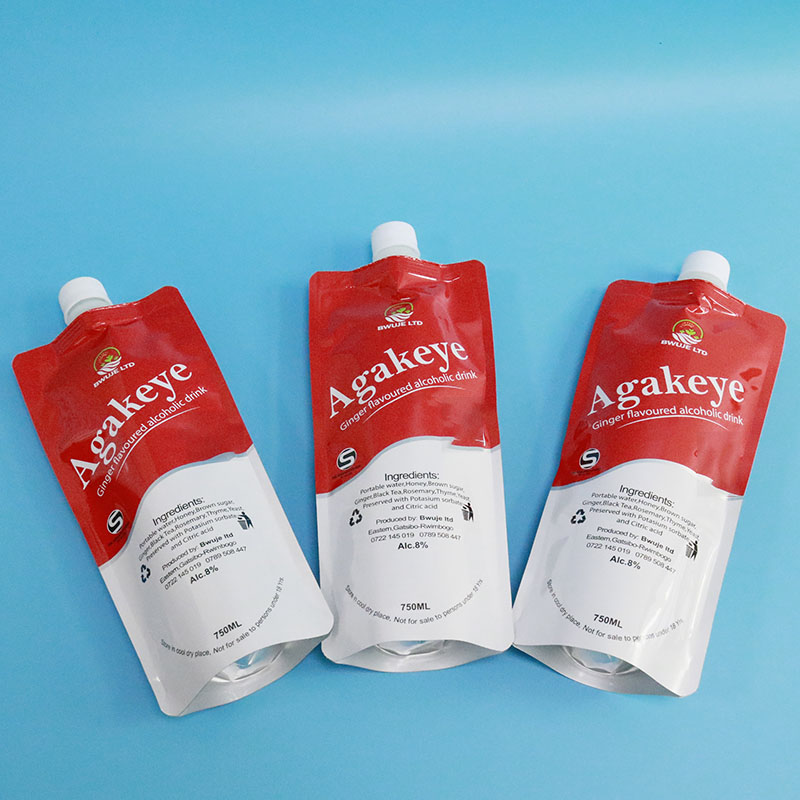
Spout pouches are changing how brands think about packaging. They strip away the bulk of traditional rigid containers without sacrificing strength. You get a format that's naturally lighter—cutting shipping costs and making life easier for on-the-go consumers—yet tough enough to withstand drops, stacking, and temperature shifts. No glass shattering, no dented cans. Just a resilient, flexible structure that bounces back.
On the shelf, these pouches demand attention. Their curved, stand-up design gives them a premium feel, while the spout adds a functional elegance that closures like screw caps can't match. The shape breaks the monotony of rows of bottles and boxes, offering a canvas for striking graphics that wrap around the entire surface. And because they're shelf-stable without the weight, retailers can display more units in less space.
The real genius is how they blend convenience with durability. A resealable spout means no spills, no separate cups—just direct, controlled pouring every time. From baby food to automotive liquids, this format protects product integrity from fill to finish, all while staying effortless to store, carry, and use. It's a small shift in packaging that delivers a huge leap in practicality.
Captivating the Digital Shopper: Visual Appeal That Converts
A product image isn't just a placeholder—it's the first handshake with a browsing visitor. Crisp, context-rich photography that shows the item in use or at scale immediately addresses the silent questions every shopper has: Will this fit my space? How does the fabric actually drape? Stripping away bland studio shots in favor of lifestyle snapshots and 360-degree spins transforms passive scrolling into active discovery, making the leap from “maybe later” to “add to cart” feel instinctive rather than forced.
Color harmony and thoughtful composition work together to create a subtle emotional pull that words alone can't match. When a landing page pairs warm, inviting palettes with uncluttered layouts, it guides the eye exactly where it needs to go—toward the buy button. Small touches like consistent lighting across product categories or short, silent video demos amplify credibility and reduce hesitation, turning a casual glance into a confident purchase without ever feeling like a hard sell.
Eco-Conscious Packaging That Actually Works
We’ve all seen “green” packages that crumble before you open them or require a YouTube tutorial to dismantle. Real eco-conscious packaging needs to protect the product first, then the planet. That means materials like molded pulp inserts and mushroom-based foams that cushion as effectively as plastic but break down in your backyard compost, not just a lab. If your fragile item arrives in one piece and the box turns into soil, that’s a win.
Beyond the raw materials, smart design cuts waste without sacrificing function. Think reusable mailers with dual adhesive strips so they can be sealed twice, or boxes that collapse flat for return without extra tape. Some brands even print inner patterns that guide you to repurpose the container as a drawer organizer or a kids’ craft. When the packaging earns a second life by itself, it’s no longer a one-way ticket to the bin.
Small Batch Agility: How Spout Pouches Enable Rapid Iteration
The traditional packaging development cycle often locks brands into large volume commitments before they've truly validated a product concept. Spout pouches flip that script, making it practical to order runs as small as a few hundred units. This low barrier to entry means you can test new flavors, tweak label designs, or even pivot your entire formulation without being saddled with a warehouse full of obsolete packaging.
Because spout pouches are digitally printed in short runs, design updates happen almost in real time. You're not stuck waiting for plates to be fabricated or tolerating high setup costs. A fresh look can be ready to ship within days, not months. This speed turns packaging from a constraint into a launchpad, allowing brands to respond to customer feedback, seasonal trends, or competitive moves with surprising agility.
Perhaps the most underappreciated upside is the freedom to experiment boldly. When the cost of failure drops dramatically, it becomes safer to try unconventional flavors, limited‑edition collaborations, or niche market tests. A six‑week trial with a quirky variant no longer requires a boardroom debate — just a modest pouch order and a sprinkle of creativity. That’s how spout pouches quietly foster a culture of continuous, fearless iteration.
From Snacks to Household Care: A Packaging Revolution Across Sectors
The shift started quietly in the snack aisle, where resealable pouches and portion-controlled packs began altering consumer expectations almost overnight. Brands realized that convenience wasn't just a buzzword—it was reshaping how people bought popcorn and protein bars. Lightweight flexible films replaced rigid containers, slashing transport costs and shelf footprint while keeping pretzels crisp. This wasn't a surface-level tweak; it was a structural answer to modern eating habits, blending on-the-go practicality with longer pantry life.
Then household care took notes, borrowing the same agility. Laundry detergent pods and concentrated refill cartridges started mirroring those snack-size formats, swapping bulky jugs for something closer to a coffee creamer packet. The reasoning was identical: reduce waste, simplify dosing, and slip effortlessly into a rushed morning. A dish soap bottle now echoes the ergonomic curve of a sports drink, because the line between cleaning routines and personal hydration isn’t as firm as it once seemed. The revolution became less about imitation and more about shared problem-solving—spills, storage, and sustainability linking industries that rarely shared a meeting table.
What underpins this crossover isn’t just material science but a quiet alignment of everyday rituals. The same parent grabbing a squeezable yogurt tube for the back seat is eyeing a mess-free floor cleaner in an identical upright pouch. Packaging has stopped being a passive shell; it’s an active participant in how we navigate a crowded week. Sectors that once moved in parallel are converging around a simple idea: the package should work as hard as the product inside, whether that’s a trail mix or a toilet bowl tab.
FAQ
A spout pouch is a flexible, stand-up bag with a resealable spout and cap, typically made from laminated films. Unlike rigid bottles or cans, it collapses as you use the product, cutting down on waste and making it easier to get every last drop out.
The shift isn't sudden—it's been building for years. Brands are drawn to the lower shipping weight, reduced storage space, and modern look that resonates with younger consumers. Plus, e-commerce growth in China means packaging needs to be both durable for shipping and visually striking online.
You'll find everything from fruit juices and dairy drinks to detergent refills, pet food, and even industrial chemicals. The versatility is huge—stand-up pouches work for liquids, powders, and gels alike.
They're lighter and more compact than rigid packaging, which means more units per shipment and fewer trucks on the road. Many are also designed with less material overall, and emerging mono-material options make recycling easier in facilities that accept them.
It depends on the pouch and the local recycling system. Most are multi-layer laminates that are hard to recycle traditionally, but brands are increasingly switching to mono-polyethylene structures that can be recycled where PE films are accepted. It's not perfect, but it's a step in the right direction.
Filling and sealing equipment often needs upgrading—traditional lines built for bottles won't work without adjustments. There's also a learning curve with heat-sealing parameters and spout insertion to prevent leaks, which can slow down initial runs.
Initial hesitation is fading fast. The convenience of resealability, the ability to squeeze out every bit, and the premium yet eco-conscious vibe are winning people over. For on-the-go lifestyles, they're just more practical than a glass jar or a rigid bottle.
We're seeing smart pouches with QR codes for traceability, spouts with anti-counterfeit features, and high-barrier films that extend shelf life without aluminum. The focus is on combining functionality with sustainability—think compostable layers and refillable formats.
Conclusion
The packaging landscape in China is undergoing a quiet but decisive shift as brands abandon rigid containers in favor of spout pouches—a change driven by practical economics and consumer psychology. Lightweight and virtually unbreakable, these flexible pouches slash shipping costs and minimize warehouse damage, while their compact, shelf-ready design frees up premium retail space. Beyond logistics, the pouches’ glossy, high-definition print surfaces create a billboard effect on crowded e-commerce screens, turning casual browsers into buyers. They also answer the growing demand for sustainability without the greenwashing: their concentrated formats and reduced material use genuinely cut carbon footprints, and resealable spouts extend product life in consumers’ homes.
Yet the real force behind this revolution is speed. Small-batch production lets startups and legacy companies alike test new flavors or rebrand in weeks instead of months, fueling a culture of rapid iteration that conventional packaging can’t match. This agility has propelled spout pouches far beyond the snack aisle—they now carry detergents, syrups, pet foods, and even personal care items, reshaping entire categories. In a market where shelf appeal, operational efficiency, and eco-claims must coexist, the spout pouch has become the silent infrastructure of China’s next-generation consumer economy.
Contact Us
Contact Person: Cindy Lee
Email: [email protected]
Tel/WhatsApp: 8613622669331
Website: https://www.dgkody.com