

China Polymer Soil Stabilizer: Transforming Road Construction and Erosion Control
2026-07-25
Imagine roads that stay intact through monsoons and slopes that resist washing away—this isn't a distant dream, but a reality taking shape across China. Polymer soil stabilizers are quietly revolutionizing how we build infrastructure and control erosion, offering smarter, longer-lasting alternatives to conventional methods. At the forefront of this shift is MST, whose advanced solutions are turning unstable soils into rock-solid foundations. If you've ever wondered what the future of sustainable construction looks like, you're about to find out.
Reimagining Roadbeds: China’s Shift to Polymer-Based Stabilization
Across China, a quiet transformation is reshaping the very foundation of its vast highway network. Traditional cement and lime treatments, long the default for stabilizing weak subgrades, are gradually giving ground to high-performance polymers. These liquid or powder additives, when mixed with soil, trigger a molecular reaction that encapsulates soil particles in a durable, water-resistant matrix. The shift isn't just about chasing novelty—it's driven by staggering infrastructure demands and a push for resilience in extreme climates, from the permafrost of the Qinghai-Tibet Plateau to the humidity-soaked deltas of the Pearl River.
What makes polymer stabilization so compelling is its ability to solve multiple headaches at once. Unlike cement, polymers don't make the roadbed brittle, so cracks from thermal expansion are drastically reduced. They also slash construction time: a treated base can be opened to traffic within hours instead of days, which matters when you're building 10,000 kilometers of expressway a year. Early adopters in provinces like Henan and Sichuan report that polymer-stabilized layers withstand freeze-thaw cycles and heavy truck loads far better than conventional methods, cutting long-term maintenance costs by a noticeable margin. It's a lesson learned from port pavements and mining haul roads, now scaled up to national thoroughfares.
Perhaps the most surprising twist is the environmental calculus. Producing cement accounts for roughly 8% of global CO2 emissions, and a single kilometer of highway consumes hundreds of tons. Polymers, manufactured through a less energy-intensive process and used in much smaller quantities, can shrink the carbon footprint of a roadbed by 30–50%. China's materials scientists are also experimenting with bio-based polymers derived from agricultural waste, aligning with the country's carbon neutrality goals. While the initial cost can be higher, the total lifecycle economics—factoring in faster construction, longer service life, and reduced repairs—are swinging the argument in favor of polymers. The road ahead, quite literally, is being reimagined from the ground up.
Erosion Ends Here: How Polymers Fortify Vulnerable Landscapes
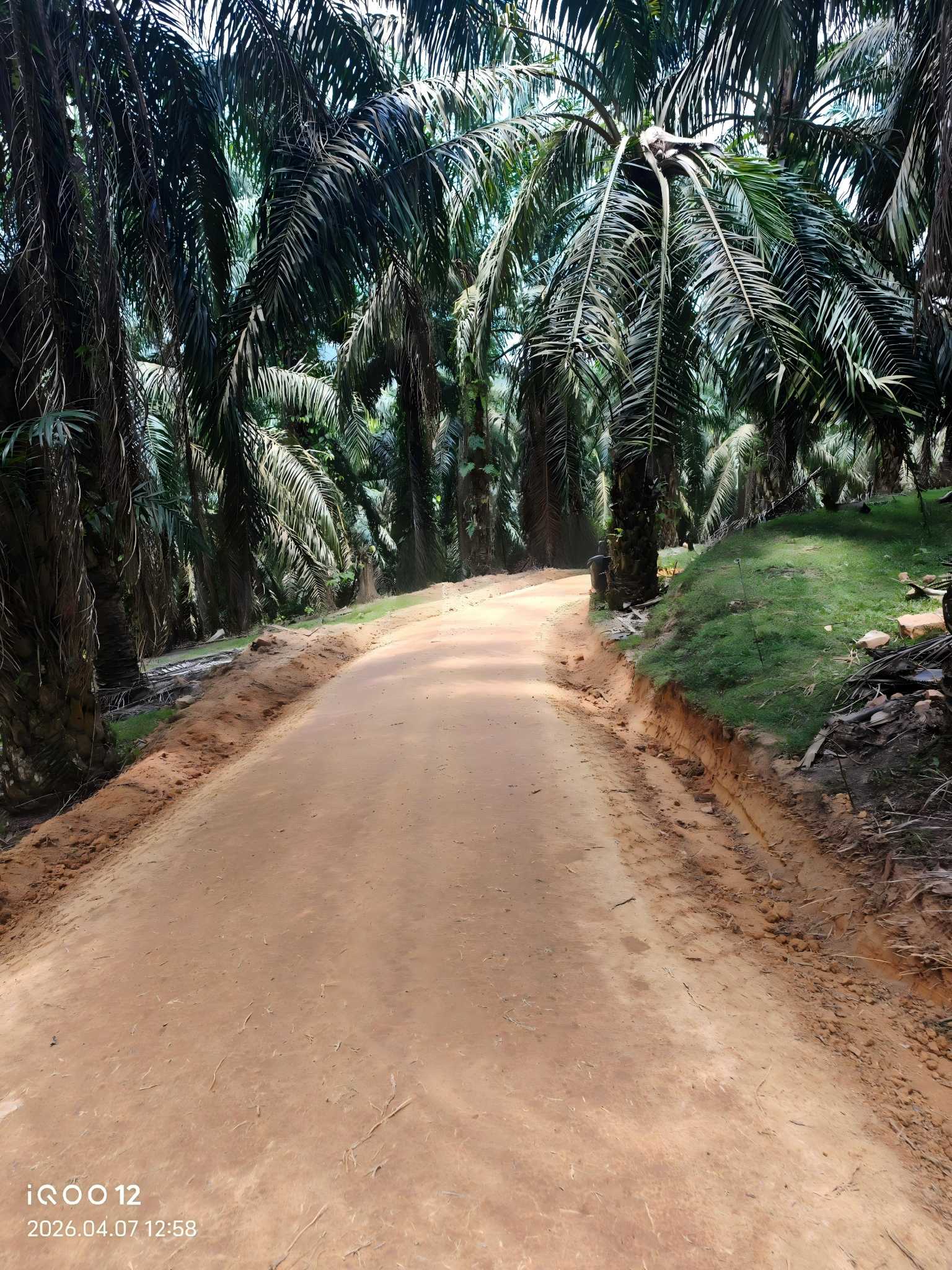
Picture a hillside slowly crumbling under relentless rain, its soil washing away in muddy rivulets. For decades, the go-to fix involved concrete barriers or riprap—heavy, costly, and often out of step with the surrounding environment. Polymers are rewriting that story. These long-chain molecules, whether sprayed as a tackifier or mixed into the ground as a hydrogel, create an invisible scaffold that binds soil particles together. The result isn't a rigid fortress but a flexible, resilient mat that withstands wind and water without suffocating the terrain. It's a quiet revolution, one that lets landscapes heal themselves while staying firmly in place.
The real genius of polymer-based erosion control lies in its adaptability. On a sandy construction site, a polyacrylamide solution can be misted over exposed slopes, forming a crust that breaks the impact of raindrops before they can dislodge a single grain. Along riverbanks, geotextile blankets infused with polymer fibers let native plants root through while holding the bank in tension—like a living net. Even arid farmlands benefit: superabsorbent polymers mixed into the topsoil swell with rainwater, then slowly release it, keeping the ground cohesive during dry spells. Each application is tailored to the threat, turning a one-size-fits-all problem into a custom-fit solution.
What often goes unnoticed is how this approach sidesteps the cycle of repair and re-repair. Traditional methods fight erosion after it starts, patching gullies and replacing sod. Polymers intervene earlier, enhancing the soil's own structure so it resists degradation from the outset. A vineyard on a slope, for instance, might use a diluted polymer binder during planting; over time, the roots intertwine with the stabilized soil, creating a self-sustaining anchor. There's no need for heavy machinery, no scarred landscape left behind. Instead, the land adapts, the polymer gradually biodegrades into harmless compounds, and what remains is a terrain quietly fortified—proof that sometimes the most powerful defenses are the ones you never see.
The Unseen Chemistry Beneath Smoother, Longer-Lasting Roads
When drivers cruise over fresh asphalt, few realize that a quiet molecular battle is taking place just millimeters beneath the tires. The difference between a road that crumbles after two winters and one that stays intact for a decade often comes down to how well chemists have manipulated the binder that glues the aggregate together. Through careful adjustments to the polarity of asphalt molecules, formulators can encourage tighter adhesion to the stone surface, resisting the stripping action of water that leads to potholes.
Oxidation is the slow enemy of pavement, gradually turning flexible binders into brittle networks that crack under stress. Modern additives—often drawn from renewable sources like lignin or recycled tire rubber—interrupt this cascade by absorbing free radicals before they can crosslink the heavy oil components. This isn't just about delaying failure; it allows engineers to design thinner, cooler-mixed layers that still outperform their conventional counterparts in both strength and elasticity.
Even the invisible coat of molecules applied at the interface between pavement layers can double a road's lifespan. These reactive silane primers form covalent bonds with the aggregate while dangling organic chains that engage the fresh overlay, creating a monolithic structure rather than a stack of disconnected strata. Such fine‑tuned chemistry means tomorrow's highways will heal faster after seismic shifts and resist the brutal thermal cycling that plagues mountain passes.
Slashing Costs and Carbon: The Quiet Revolution in Soil Treatment
Beneath our feet, a quiet revolution is reshaping how we treat contaminated soil. Traditional methods—digging it up and trucking it away, or burning it at high temperatures—have long been both costly and carbon-intensive. Now, forward-thinking companies and municipalities are discovering that they can dramatically reduce both financial and environmental costs by turning to innovative in-situ techniques. By treating soil right where it lies, they skip the heavy machinery, the fuel-guzzling transport, and the emissions from incineration. The result is a cleanup process that can be up to 70% cheaper while cutting the carbon footprint by half or more, all without sacrificing effectiveness.
The shift is being driven by advances in bioremediation, where naturally occurring or introduced microbes break down pollutants into harmless compounds, and by phytoremediation, which uses plants to extract or stabilize contaminants. These methods often cost a fraction of conventional approaches and require little more than sunlight and time. Meanwhile, chemical oxidation and soil vapor extraction are being fine-tuned to use less energy and fewer harsh reagents. On farms and construction sites, regenerative practices like no-till farming and biochar amendments are improving soil health while sequestering carbon, blurring the line between cleanup and sustainable land management.
Perhaps the most surprising aspect of this revolution is how it flips the narrative: instead of viewing contaminated soil as a costly liability, more project owners are seeing it as an opportunity to restore ecosystems and even generate value. Carbon credits, improved crop yields, and lower long-term monitoring costs are just some of the hidden benefits. As these quiet innovations spread, they’re proving that doing the right thing for the planet doesn’t have to break the bank—it might just be the most pragmatic choice all along.
From Mud to Motorway: Polymer Stabilizers in Action Across China
Truck convoys grinding through waterlogged clay, heavy machinery sinking overnight—China’s construction sites have long wrestled with soils that turn into trapdoor terrain when moisture hits. Now, a quiet reengineering is unfolding beneath the treads of every compactor, as polymer stabilizers bind loose earth into a durable, road-ready base. The shift isn’t just about keeping equipment afloat; it’s a fundamental rethink of how we treat the ground before a single load of asphalt arrives.
Across provinces like Yunnan and Sichuan, where lateritic soils and fine silts dominate, road crews are swapping traditional cement and lime for liquid polymer treatments. These stabilizers coat individual soil particles, fusing them into a flexible, hydrophobic matrix that resists cracking even under drastic wet-dry cycles. A mountain pass repaved last spring is already proving the materials’ worth: despite months of flooding, the subgrade remains intact, shedding water rather than soaking it up. On high-speed rail corridors, too, polymer-modified cushion layers are dampening vibration in ways that sterile cement blends can’t match.
What makes the technology stick is its on-site practicality. No heavy mixing plants, no lung-choking dust—just a dilute solution sprayed and tilled into the native soil. In the remote stretch between Gansu and Ningxia, engineers watched a polymer-treated base cure to full strength in under 48 hours, slicing weeks off the original schedule. It’s the kind of unglamorous, ground-level innovation that turns mud-choked detours into dependable highways, one molecular bond at a time.
Why Tomorrow’s Infrastructure Depends on Today’s Polymer Breakthroughs
The concrete and steel that built the last century’s bridges and skyscrapers are reaching their limits. We need materials that can heal their own cracks, withstand extreme weather without corroding, and do it all with a fraction of the carbon footprint. That’s where modern polymer science steps in, creating composites that are lighter than aluminum yet strong enough to anchor offshore wind turbines in the deepest seas. These aren’t just lab curiosities—they’re already being mixed into pilot projects, promising structures that last a century with barely a maintenance crew in sight.
Beyond raw strength, tomorrow’s infrastructure has to think. Embedded polymer sensors can turn bridges into living networks that report strain, temperature, and wear in real time, flagging problems before they become disasters. Smart coatings based on conductive polymers might one day de-ice roads without salt or electricity, nudging us toward cities that breathe and adapt. Every breakthrough in polymer synthesis—whether it’s a recyclable thermoset or a bioplastic tougher than bone—rewrites what’s possible for the roads, pipes, and power grids we’ll rely on for decades to come.
The real game-changer is how polymers close the loop. Traditional construction leaves mountains of waste, but advanced polymer engineering means we can design infrastructure that disassembles cleanly into raw materials at end of life. Imagine road surfaces that can be depolymerized and repaved into the same stretch of highway, or water pipes that self-repair using embedded vascular networks inspired by human skin. These are the quiet revolutions brewing in polymer labs today—and they’ll define whether the cities of 2050 are resilient or just relics in waiting.
FAQ
Chinese polymer soil stabilizers have gained recognition for their high molecular weight formulations that bond soil particles at a micro level, creating a durable, water-resistant matrix suitable for diverse soil types. Unlike traditional cement or lime, they reduce carbon footprint and curing time significantly.
In rural settings, polymer stabilization turns local soil into a hard, dust-free surface that withstands heavy rainfall and traffic. It eliminates the need to import expensive gravel, slashing logistics costs and construction timelines while providing year-round access.
Yes, the polymer forms a flexible, root-penetrable crust that resists surface water flow and wind erosion. Unlike rigid concrete linings, it adapts to ground movement, making it ideal for steep slopes, riverbanks, and coastal dunes where vegetation establishment is needed.
The soil is first graded and mixed with the liquid polymer concentrate at a predetermined ratio using a motor grader and water truck. It is then compacted and allowed to cure for 24-48 hours. The result is a hardened surface that can support heavy machinery without rutting.
Initial material costs may be slightly higher, but when you factor in reduced aggregate hauling, lower maintenance, and extended service life, the total lifecycle cost is often 30–50% less. Roads treated with polymers require minimal regrading and no annual dust-control reapplications.
Most Chinese manufacturers now offer eco-friendly, non-toxic polymers that biodegrade slowly without leaching harmful chemicals. Independent studies show minimal impact on groundwater, and the reduction in quarrying for aggregates further lowers the overall environmental footprint.
They have been applied in high-altitude highway construction in Tibet, desert road stabilization in Inner Mongolia, and large-scale erosion control along the Yangtze River embankments. The technology is also being adopted in Southeast Asia and Africa for rural development.
Conclusion
China is reinventing soil stabilization by embracing advanced polymer technology, moving away from conventional cement and lime treatments. This shift is redefining roadbed construction—polymer-based stabilizers bond with soil particles at a molecular level, creating a flexible yet durable matrix that resists cracking and deformation. Unlike rigid traditional methods, these polymers allow roads to withstand extreme weather and heavy traffic without degrading, dramatically extending service life. The result is a smoother, more resilient infrastructure that thrives in China’s diverse climates, from arid plateaus to monsoon-prone regions. At the same time, these stabilizers are proving essential in erosion control, locking down vulnerable slopes, embankments, and desertified land, effectively stopping soil loss where vegetation alone fails.
Beyond technical performance, the economic and environmental impact is transformative. Polymer stabilization slashes project costs by reducing the need for imported aggregates and excessive maintenance, while cutting carbon emissions linked to cement production—a quiet revolution in green engineering. Real-world applications are already turning muddy terrain into reliable motorways across China’s countryside, accelerating rural connectivity and logistics. Underneath it all, the chemistry of cross-linking polymers forms a nano-scale network that reinforces soil with unseen precision, making roads less susceptible to water damage and freeze-thaw cycles. As tomorrow’s infrastructure demands smarter, low-carbon solutions, these breakthroughs position China at the forefront of sustainable construction, proving that a handful of polymer can indeed make mud move mountains.
Contact Us
Contact Person: Helen
Email: [email protected]
Tel/WhatsApp: 86 18630661160
Website: https://www.roadmilestone.com/