

China Diesel Forklift: Powering Efficient Material Handling Solutions
2026-07-03
In the bustling world of logistics and warehousing, the roar of a diesel engine often signals the start of a productive day. But not all forklifts are created equal—especially when it comes to balancing power, efficiency, and reliability. Enter China’s leading material handling solutions, where brands like HANGCHA are redefining what it means to move heavy loads with precision. Whether you’re managing a busy distribution center or a sprawling factory floor, understanding the advantages of a Chinese diesel forklift could be the game-changer your operation needs. Let’s explore what makes these machines stand out in a crowded market.
Unpacking the Torque Advantage: Why Diesel Excels
At the heart of a diesel engine's appeal lies its ability to deliver substantial low-end torque—often peaking well below 2,500 rpm. This characteristic stems from the high compression ratio inherent to combustion-ignition design, which extracts more mechanical advantage from each cylinder stroke. Unlike gasoline engines that need to rev higher to make power, diesels provide a flat, muscular torque curve that translates into effortless pulling power from the moment the clutch engages. This makes them ideal for hauling heavy loads or navigating steep gradients, where sustained grunt matters more than outright horsepower.
The secret also lies in the prolonged burn duration of diesel fuel. With a longer stroke and a slower, controlled combustion process, the expanding gases push the piston down over a greater crankshaft angle, generating a higher twisting force. Turbocharging further amplifies this effect, cramming in dense air that allows more fuel to be burned efficiently without over-revving. The result is a relaxed, almost unstressed power delivery that minimizes the need for frequent gear changes and keeps the engine in its optimal torque band across a wide speed range.
Moreover, the robust construction required to contain the intense cylinder pressures — thicker block walls, forged internals — contributes to long-term durability. This mechanical fortitude not only safeguards against the stresses of constant high-torque operation but also improves thermal efficiency. As a result, diesel engines return impressive fuel economy under load while maintaining a commanding, low-rpm shove that gasoline counterparts struggle to match without complex hybrid assistance or downsized-turbo compromises. It’s a straightforward, time-tested advantage that continues to define diesel’s role in commercial and heavy-duty applications.
Fuel Economy Myths Busted for Modern Diesel Forklifts
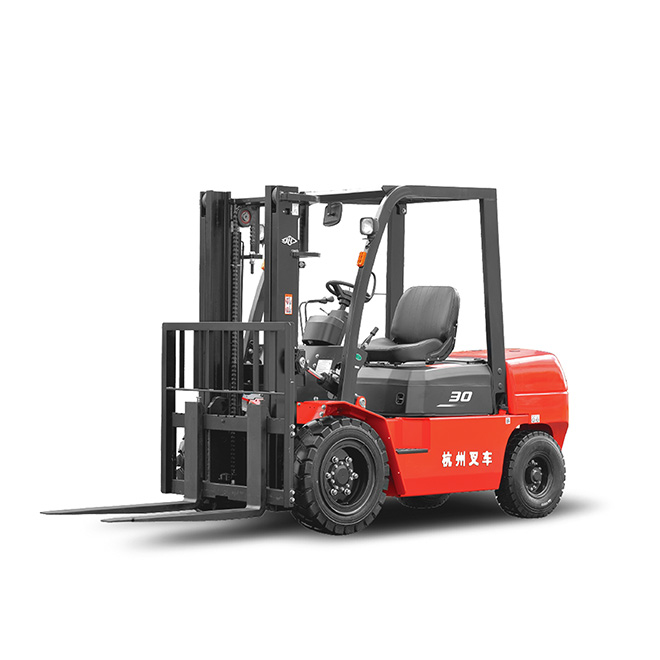
It’s easy to assume that older diesel forklifts are gas guzzlers, but modern engines tell a very different story. Advances in high-pressure common rail injection, turbocharging, and precise electronic controls mean today’s diesels sip fuel rather than chug it, especially under partial loads. The myth that all diesel forklifts burn through fuel at the same rate ignores how these innovations dramatically cut consumption, often rivalling or beating LPG alternatives in real-world duty cycles.
Another stubborn belief is that idling a diesel forklift uses less fuel than restarting it. In truth, modern engines are designed with fast, clean starts and minimal warm-up needs. Excessive idling not only wastes litres per hour unnecessarily but also accelerates engine wear and clogs diesel particulate filters. Fleet managers who permit extended idling to “save fuel” often end up with higher maintenance bills and noticeably worse overall efficiency.
Perhaps the biggest myth is that loading a forklift close to its maximum capacity always yields better fuel economy per pallet moved. While it’s true that diesel engines operate more efficiently under moderate to high load, you can overshoot the sweet spot. Overloading or consistently running at peak output strains the powertrain, raises exhaust temperatures, and forces the emissions system into active regeneration more frequently, which itself consumes extra fuel. Smart operators focus on matching truck size to the typical task, not just chasing a maximum load number on paper.
From Muddy Yards to Frozen Warehouses: No Job Too Tough
Some jobs start in ankle-deep slurry, while others kick off between racks of goods chilled to bone-numbing temperatures. The constant is a crew that doesn't flinch when the ground squelches underfoot or when breath plumes in the cold air. They arrive with gear that can handle slick mud and insulated boots that grip frozen concrete, ready to unload, stack, or haul without missing a beat.
It's not about bragging rights; it's about having the right mix of stubbornness and adaptability. One morning might involve winching a loaded pallet out of thawing topsoil, the next could be spent organizing a cold-storage unit where the floor frosts over between deliveries. The same hands that wipe mud from a clipboard later thumb through inventory sheets while the forklift groans in the sub-zero quiet.
What holds it together isn't just muscle, but a quiet refusal to let conditions dictate the outcome. Whether it's a yard that hasn't seen dry ground in a week or a freezer door that's iced shut, someone's there to solve the problem without fanfare, because at the end of the day, the load still has to move.
The Hidden Savings of Diesel vs. Electric Over Time
When you first glance at the sticker prices, diesel equipment often looks like the budget-friendly choice. But hidden under the surface, electric alternatives slowly tip the scales in their favor. Think beyond the upfront cost—energy expenses per mile or per operating hour paint a very different picture over a five-year stretch.
Then there are the quieter savings that rarely make it onto a spec sheet. Electric powertrains sidestep oil changes, transmission flushes, and exhaust after-treatment headaches. Fewer moving parts mean fewer things to break, and regenerative braking stretches brake life. Those infrequent trips to the shop add up, freeing up downtime and labor costs that diesel owners reluctantly accept as routine.
Over time, the residual value puzzle also shifts. As emission regulations tighten and electric infrastructure grows, older diesel assets tend to depreciate faster. Meanwhile, a well-maintained electric unit might hold its worth better, especially in markets pushing for cleaner fleets. The real savings aren't shouted from a billboard—they accumulate quietly, month after month, until the total cost of ownership speaks for itself.
Tech Upgrades That Make Older Diesel Models Obsolete
Modern emission systems and advanced fuel injection have rewritten the rulebook for diesel performance. Engines that once relied on simple mechanical pumps now seem primitive next to common-rail setups that deliver multiple injection events per cycle, cutting noise and soot while boosting power. It’s not just about meeting regulations—the precision alone makes older indirect-injection designs feel sluggish and wasteful, even if they can still burn vegetable oil without complaint.
The leap in electronic controls goes deeper than you’d think. Torque management, adaptive turbos, and real-time sensor feedback let newer diesels adjust on the fly in ways a fully mechanical governor never could. Add in lightweight alloys and coatings that shrug off heat, and you’ve got blocks that last longer while pulling harder. Hooking a trailer to a 1990s workhorse suddenly feels like stepping back to a time when every hill meant dropping two gears and praying the EGTs stayed sane.
Cold starts reveal another chasm. Where old rigs fight you with glow plugs and thick oil, modern quick-start systems fire up almost silently at -30°C, with heated injectors and instant cabin warmth. That alone makes daily driving a chore in anything without a grid heater upgrade. Combine that with eight-speed automatics that keep the engine in its sweet spot, and you realize the gap isn’t just in the engine bay—it’s the whole driving experience leaving the past behind.
Daily Checks Every Operator Should Know by Heart
You can spot a seasoned operator by how they move through a pre-start check. They’re not just running down a clipboard list; they’re using all their senses. A quick glance at the sight glass tells them if the oil level is right, but they’ll also press a thumb against the bearing housing to feel for heat that shouldn’t be there. They’ll tilt their head near the pump casing, listening for the subtle grind or whine that spells trouble long before a vibration sensor catches it. Over time, these checks become second nature—a quiet conversation with the machine that no manual can fully capture.
Beyond the obvious leaks or warning lights, there’s a handful of non-negotiables that separate a good shift from a long one. Coolant levels get a hard look, not just at the reservoir but at the returns—low flow there often means a clogged strainer or a failing pump seal. Air filters might look clean on the outside, but a quick tap against the housing reveals if they’re caked with hidden dust. Pressure gauges deserve more than a passing glance; a needle vibrating at idle can signal a developing restriction or air in the line. And never ignore the smell of hot insulation or the faint scent of burnt rubber—both are early warnings that a motor is pulling too many amps or a belt is slipping just out of sight.
Most veterans will tell you they do their best checks during shift handover, when the unit is still warm and the last hour’s history is fresh. They’ll linger on the logbook entries that don’t add up—a slight temperature creep, a new sound noted in passing. That’s when they trace a finger along pipe joints for moisture, crack open drain valves to check for sediment, and kill the lights for a moment to spot any arcing or faint glow in the panel. It’s less about ticking boxes and more about building a feel for what’s normal, so the abnormal hits you like a wrong note in a familiar song.
FAQ
They combine rugged build quality with advanced engine technology, delivering consistent power even in demanding outdoor environments.
Diesel models offer higher torque and longer continuous operation times, making them ideal for moving massive loads without frequent recharging.
You'll find them dominating construction, lumber yards, shipping ports, and manufacturing plants where raw power and durability are critical.
Manufacturers are integrating smart fuel injection, reduced emission systems, and ergonomic operator cabins to boost both efficiency and comfort.
Yes, a widespread service network and standardized components make routine upkeep straightforward and cost-effective.
They start reliably in cold weather and maintain stable output in heat, a key advantage over some alternatives that struggle with temperature extremes.
Lifting capacity, mast height, tire type, and local emissions regulations should guide the decision to ensure a perfect fit for the workspace.
Diesel generally offers better fuel economy and longer engine life under heavy use, which can lower total operating costs over time.
Conclusion
China's diesel forklifts are redefining material handling by delivering relentless torque that electric rivals can't match, especially when lugging heavy loads up ramps or across uneven terrain. Forget the old myths about diesel being a fuel-guzzling relic; modern engines have been refined to squeeze every drop of energy, often rivalling the efficiency of alternative fuels in real-world use. And when the job site turns into a muddy construction yard or a frigid cold storage, these machines shrug off conditions that would leave electrics stranded. With sealed electrical systems and rugged drivetrains, they power through rain, dust, and subzero temperatures without missing a beat.
While the upfront price may lean higher than electric, the hidden savings over a diesel's longer lifespan—no expensive battery replacements, no idle charging hours—quickly tip the scales in its favour. Today's models are also light years ahead of the smoky dinosaurs of a decade ago, boasting smart ECUs, cleaner exhaust tech, and digital load-sensing hydraulics that boost productivity and shrink running costs. Of course, no machine thrives without care: daily walkarounds checking fuel lines, coolant levels, and mast wear are second nature to operators who want their forklift to keep humming year after year. In a fast-moving supply chain, it's this blend of brute strength, low lifecycle costs, and dependable tech that makes China's diesel forklifts a backbone of efficient logistics.
Contact Us
Contact Person: Liuxue
Email: [email protected]
Tel/WhatsApp: +86-19084200370
Website: https://www.hf-ec.com/