

China Aluminum Pilot Boat: The Next Generation of Lightweight Marine Innovation
2026-08-03
Step aboard the future of maritime pilotage. China's new aluminum pilot boat isn't just another vessel—it’s a sleek, lightweight game-changer that redefines speed, efficiency, and durability. Built by Allheart, this innovation harnesses advanced alloy engineering to slash fuel consumption while outmaneuvering traditional designs. Curious how aluminum is steering the industry into a new era? Dive in.
Rethinking the Hull: Why Aluminum Leads the Way
For decades, fiberglass dominated boat hull construction, but a quiet revolution has been gaining momentum. Aluminum, once reserved for workboats and rugged utility craft, is now redefining what's possible on the water. Its strength-to-weight ratio simply outclasses traditional materials, allowing designers to create hulls that are both lighter and tougher. This isn't just about durability; it's about performance, efficiency, and a fundamental shift in how we think about marine engineering.
Walk the docks and you'll notice a growing number of sleek cruisers and offshore fishing boats proudly displaying bare metal or subtly painted aluminum hulls. Owners are drawn to the material's resilience against hidden obstacles and harsh environments, but the real story is in the ride. An aluminum hull can be shaped into complex, hydrodynamically refined forms that slice through chop while maintaining remarkable stability. The reduced weight also translates to quicker planing, better fuel economy, and the ability to run smaller, more efficient engines without sacrificing speed.
Perhaps the most compelling argument comes from the lifecycle perspective. Unlike fiberglass, which degrades under UV exposure and can suffer from osmotic blistering, aluminum simply weathers. Repairs, when needed, are straightforward—welding a tear or replacing a section is far less invasive than grinding and laminating composites. At the end of its useful life, the hull is fully recyclable, returning to raw material without the environmental burden of fiberglass disposal. This blend of longevity, ease of upkeep, and the increasingly refined manufacturing processes has quietly positioned aluminum as the forward-thinking choice.
Performance on the Water: Speed Meets Stability
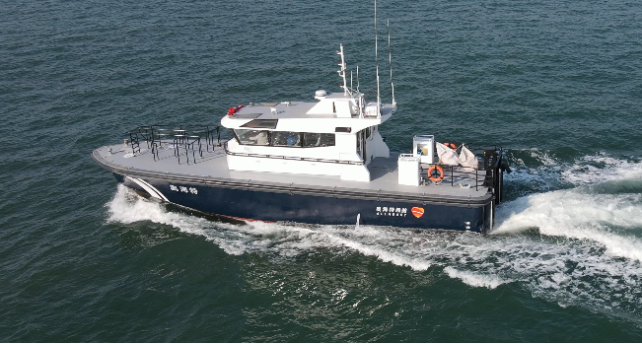
Gliding across the surface, the hull slices through chop with a quiet confidence, the kind that comes from a deep center of gravity and a shape refined by countless prototypes. Acceleration is immediate but never jarring—throttle response is tuned to feel like an extension of intent, not a mechanical demand. The balance between planing speed and the reassuring grip of a deep-V entry is almost imperceptible, until you realize you’re keeping a course that would have had other hulls chattering sideways.
In a following sea, the true character emerges. Where lesser designs wallow and yaw, this one tracks straight, the stern lifting just enough to let the wave pass underneath without shoving the bow into the trough ahead. There’s a rhythm to it, a give-and-take that makes hour-long passages feel effortless. Even hard over at speed, the chine holds without tripping, the transition from heel to carve so linear that you stop thinking about lean angles and just look through the turn.
What stands out most is the absence of drama. Trim tabs become something you set once and forget, because the running surface is already so neutral. Cross wakes at a 45-degree angle, and the hull simply absorbs the disruption, the deck staying level enough to keep a drink upright. It’s this fusion of liveliness and poise—the ability to feel both agile and planted—that redefines what a performance hull can deliver.
Inside the Cockpit: Smart Tech for Modern Pilots
Sliding into the left seat of a modern airliner, you’re not just facing a wall of dials and switches anymore. The cockpit has evolved into a responsive digital nerve center, where intuitive touchscreens, voice commands, and augmented reality displays blend seamlessly to reduce pilot workload. Instead of flipping through paper charts, you’re dragging a digital map with your finger, and a simple voice prompt can pull up weather data without your eyes ever leaving the sky. It’s a far cry from the steam gauges of the past, and it’s transforming how pilots interact with their aircraft.
Behind the slick interface, a web of sensors and AI-driven systems constantly analyze everything from engine performance to potential turbulence ahead. The flight management computer doesn’t just follow a route—it actively suggests adjustments to save fuel or avoid rough air, almost like a co-pilot with a quiet, analytical mind. Head-worn displays can project critical flight information right onto the visor, turning an overcast approach into a clear visual glide path. These aren’t futuristic concepts; they’re quietly rolling out in cockpits today, making every phase of flight more precise.
But the real magic lies in how these tools fade into the background. A well-designed cockpit doesn’t overwhelm you with data—it presents what you need, when you need it, and stays out of the way otherwise. Adaptive interfaces learn from your preferences, dimming non-essential alerts during high-focus moments and highlighting the one gauge that matters. This synergy between human instinct and machine intelligence turns a complex flight into a controlled, almost second-nature experience, so you can focus on what pilots do best: making the right call when it counts.
Maintenance That Won't Sink Your Budget
Keeping your equipment in top shape doesn't have to drain your wallet. Often, small, consistent steps—like regular cleanings and timely inspections—prevent the kind of major breakdowns that come with hefty price tags. It's about working smarter, not harder, and catching issues before they balloon into costly emergencies.
Consider building a simple maintenance schedule that fits your actual needs rather than blindly following generic recommendations. Prioritize tasks that give you the most bang for your buck, such as lubricating moving parts or replacing worn filters on time. Sometimes, a $20 part replaced today can save a $2,000 repair tomorrow.
Also, don't underestimate the value of training yourself or your team on basic upkeep. A little know-how goes a long way, reducing the need for expensive service calls. By empowering people to handle minor fixes and spot warning signs early, you create a culture where maintenance becomes an investment, not a burden.
Eco-Conscious Design: Lower Emissions, Cleaner Seas
Every material choice on board whispers a commitment to lighter footprints. By swapping traditional marine coatings with bio-based alternatives and integrating carbon-capturing hull paints, vessels actively purify surrounding waters while slicing fuel consumption. These quiet innovations mean each nautical mile traveled leaves fewer emissions trailing in the sky and less disruption beneath the surface.
Propulsion systems have shed their brute-force past. Hybrid-electric engines now hum in harmony with wave patterns, adjusting thrust to glide through swells rather than fight them. Advanced hydrofoils lift hulls above drag, while AI-driven route optimization avoids sensitive ecosystems entirely. The result is a journey where marine life barely notices your passing, and exhaust outputs drop by double-digit percentages without sacrificing speed or comfort.
Waste streams become unexpected resources through closed-loop systems on deck. Organic scraps transform into clean energy, single-use plastics vanish in favor of biodegradable alternatives grown from algae, and greywater gets purified through living filtration gardens that double as onboard sanctuaries. This isn't just minimizing harm—it's designing vessels that give back, turning the ocean into an ally rather than a dumping ground.
From Shipyard to Sea Trials: Real-World Lessons
When a vessel leaves the controlled environment of the shipyard for the unpredictable ocean, theory collides with reality. During sea trials, every weld, every line of code, and every design assumption is stress-tested by wind, waves, and human factors. We’ve seen perfectly good systems fail in sea states that the simulations never quite replicated. It’s a humbling reminder that the ocean doesn’t read the spec sheet.
One hard-won lesson is that integration testing onboard is vastly different from bench testing. Sensors that performed flawlessly in the lab suddenly drift under vibration and temperature swings. We’ve learned to build in generous tolerance buffers and to run systems continuously for days—not hours—before signing off. Real-world data rarely looks as clean as the marketing brochures suggest.
Perhaps the most valuable takeaway is that crew feedback during trials is gold. Their practical instincts often pinpoint issues that engineers overlook. After one rough trial, a deckhand’s offhand comment about a handrail placement led to a redesign that improved both safety and workflow. In the end, the best lessons come from listening to the people who will operate these ships day in and day out.
FAQ
It leverages advanced aluminum alloy construction to drastically cut weight while boosting strength and fuel efficiency. Combined with a redesigned hull and modern propulsion, it sets a new standard for pilot boats.
Aluminum offers an unmatched strength-to-weight ratio, excellent corrosion resistance in saltwater, and requires less maintenance. Lighter weight translates directly into higher speed and lower fuel consumption without sacrificing durability.
Shedding excess weight allows for quicker acceleration, higher top speeds, and better maneuverability. It also reduces draft, enabling access to shallower ports and improving operational flexibility.
The boat features a deep-V hull for sea-keeping, an optimized deck layout for safe crew transfers, shock-mitigating seats, and integrated electronics for all-weather navigation. Every component is engineered to reduce weight without compromising strength.
Yes, lighter weight directly cuts fuel burn and emissions. Aluminum is also fully recyclable, reducing the environmental footprint at end-of-life. The efficient hull design further minimizes wake, protecting shorelines.
The hull is designed to minimize slamming in rough seas, while ergonomic seating and cabin layout reduce fatigue during long missions. Sturdy railings, non-skid decks, and excellent stability provide a secure working platform.
Unlike steel, aluminum doesn't rust, so there's no need for constant painting. Routine checks include anode replacement and occasional cleaning to prevent galvanic corrosion. Overall, it's much less demanding than traditional materials.
Conclusion
The shift toward aluminum hulls in China’s new pilot boats isn’t just a material swap—it’s a fundamental rethinking of what a workboat should be. Lighter than steel yet remarkably tough, aluminum allows for sleeker profiles that cut through chop with less drag, yielding faster transit times without sacrificing stability. Onboard, advanced navigation and communication systems give pilots real-time data to make split-second decisions in busy harbors. The reduced weight also means these boats can carry the same payload with smaller, more efficient engines, which ties directly into lower fuel consumption and a quieter ride.
Maintenance costs often dictate the lifespan of commercial vessels, and here aluminum shines again—it resists corrosion far better than steel, especially in saltwater environments, so hulls require less frequent painting and repairs. This durability pairs well with an eco-conscious design philosophy: by cutting fuel burn, the boats emit fewer pollutants, aligning with stricter maritime emissions standards. Lessons from shipyard construction to sea trials have shown that aluminum pilot boats hold up under punishing daily use, proving that innovation doesn’t have to come at the expense of practicality. The result is a craft that’s quicker, cleaner, and ready for the demands of modern pilotage.
Contact Us
Contact Person: Benny Hu
Email: [email protected]
Tel/WhatsApp: +8618354225697
Website: https://www.allheartmarine.com/