

Best Shredder for Every Workspace: Secure and Efficient Options
2026-10-11
Paper piles up fast, and not all of it belongs in the recycling bin. Whether you’re shredding a credit card offer at a standing desk or clearing confidential client files in a corner office, your workspace has a specific set of demands: it needs a shredder that’s secure enough to make data unrecoverable, efficient enough to keep up with daily use, and quiet enough not to interrupt your calls. Generic machines rarely check every box. Shengzhong Shredder designs with those trade-offs in mind, so you don’t have to choose between safety and speed. The options below help you find the exact fit—no guesswork, no jams, no loose ends.
Desk-Friendly Shredders That Stay Out of the Way
A paper shredder that demands its own corner of the desk can quietly sabotage your workflow. The best compact models earn their keep by tucking into narrow gaps between a monitor stand and a filing tray, or sliding under a low shelf without forcing you to rearrange everything else. Look for a footprint no wider than a standard laptop and a feed slot angled so you can drop in documents without leaning forward.
What really separates a forgettable shredder from one you actually use daily is how it handles noise and mess. A well-designed micro-cut unit with a sealed waste bin keeps confetti from drifting onto your keyboard, and a motor that cycles down quickly won't interrupt phone calls. Some newer models include a reverse function that clears jams with a single tap, which matters more than sheet capacity when you're shredding a few receipts at a time.
If your desk sits in a shared space, consider a shredder with a transparent bin and a cool-down indicator. You'll know exactly when to empty it without opening the housing, and the motor won't overheat during a lunch-hour purge of old statements. The goal is a tool that disappears into your routine, not another gadget that requires its own upkeep schedule.
Micro-Cut Models for Documents You Wouldn't Want Reassembled
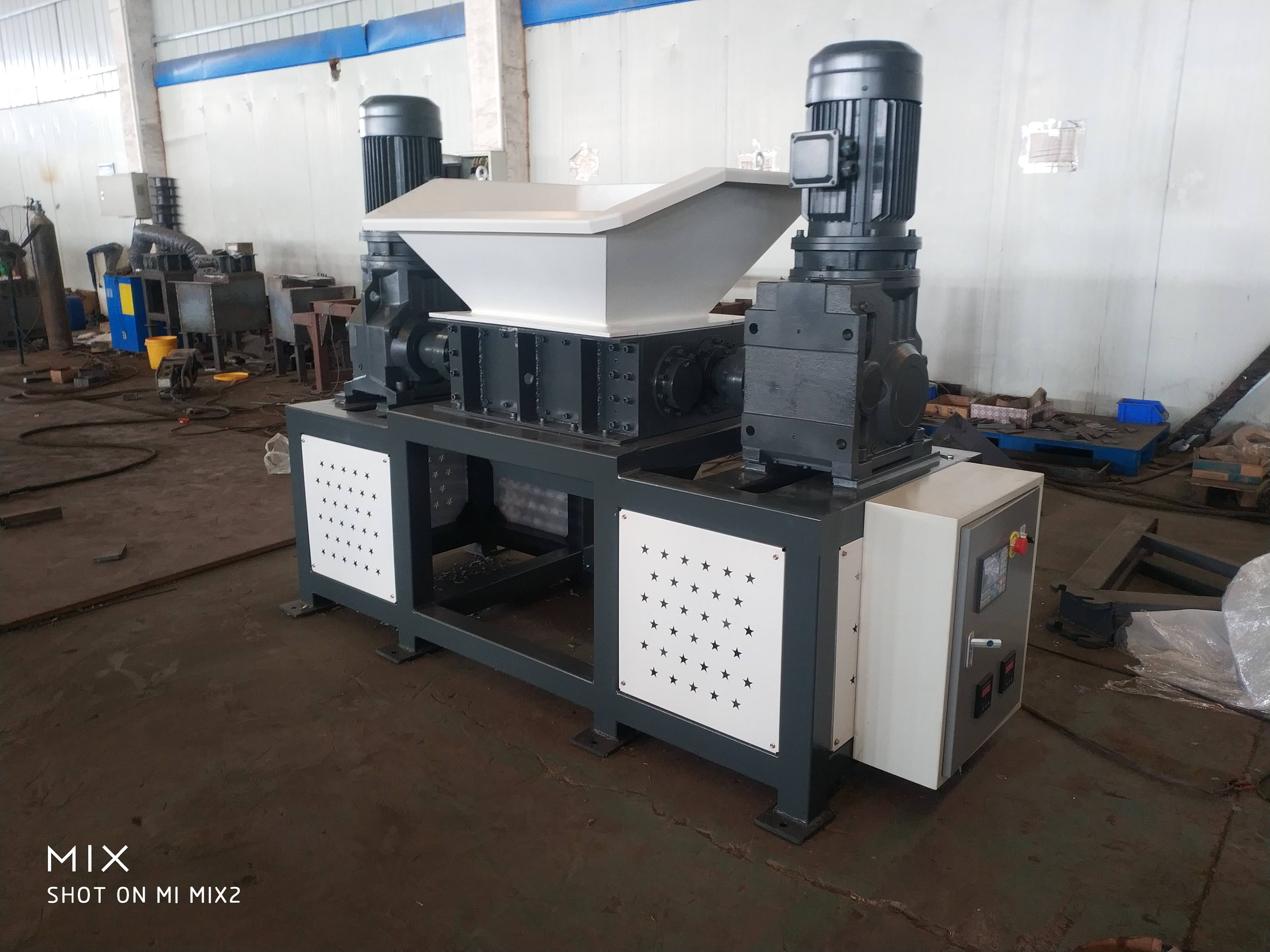
The phrase carries a quiet menace, suggesting precision applied to things better left broken. Think of shredded legal filings, medical records with redacted lines, or the rough drafts of a resignation letter never sent. Micro-cut technology, with its thousands of confetti-like pieces per page, was designed to make reconstruction a nightmare of patience and tweezers. Yet the real story isn't just about particle size—it's about why certain documents should never see whole form again.
Manufacturers market these models with terms like "high-security" and "P-7 level," but the underlying fear is more human. A bank statement from a failed marriage. A printout of browser history from a guilty afternoon. A photograph whose edges hold an address someone wants to forget. The machines don't judge; they simply reduce paper to a snowfall of unreadable fragments. The irony is that by making reassembly nearly impossible, they offer a kind of mercy—a way to un-know, to un-remember, to say this page never existed in its original shape.
What's rarely discussed is the ritual of it. Feeding sheets in one by one, hearing the motor change pitch, watching the bin fill with gray-and-white confetti. It's not destruction for its own sake; it's a deliberate act of trust in geometry. The cut pattern—cross-cut, micro-cut, sometimes with added security screens—becomes a silent accomplice. For those who use these machines daily, the reassurance comes not from the machine's specs, but from that pause after the last sheet disappears: the knowledge that no glue, no scanner, no obsessive pair of hands will ever bring those words back together.
Shared Workspace Shredders Built for Daily Abuse
Most shredders start wheezing after a few weeks in a shared office. These are different. The motor is rated for continuous run times that would send lighter models into thermal shutdown, and the steel cutting heads chew through staples, paper clips, and the occasional misplaced credit card without jamming.
We reinforced the feed throat and the waste bin rails because multiple people grabbing, yanking, and overfilling are just part of the daily routine. The auto-reverse function kicks in before a jam ever becomes a problem, so nobody has to stand there pulling half-shredded paper out of the blades.
No fancy touchscreens or app integrations. Just a heavy-duty switch, a clear bin window, and oversized casters that survive being rolled from desk to desk. If you need a machine that can handle a steady stream of users who never read the instructions, this is it.
Quiet Operation for Open-Plan and Home Offices
Open-plan layouts punish loud hardware. A printer or scanner that whirs, clicks, or rattles every few minutes can fracture focus across an entire pod, and in a home office, the same noise travels through thin walls into living spaces. The fix isn’t just a “quiet mode” sticker; it means a redesigned paper path, dampened rollers, and a fan curve that stays flat under normal loads. When the only audible cue is a soft rustle as pages settle into the tray, you stop noticing the machine and get back to the work around it.
This matters most during video calls and deep-focus blocks. Sudden mechanical spikes—like a duplexer flipping a sheet or a fuser reheating—can interrupt a sentence or yank attention away from a spreadsheet. Units designed for shared and residential use keep those transitions below conversation level, often under 45 dB, while still pushing out the rated pages per minute. For anyone who has muted a mic mid-meeting or waited until lunch to print, that difference is immediate: the device fades into the background, not into the agenda.
Larger Bins That Cut Down on Maintenance Trips
Nobody enjoys trekking back and forth to empty a half-full bin. The shift to larger capacity changes that math entirely. With more room inside, each unit holds days or even weeks of waste before it needs attention, so your team spends less time on collection rounds and more time on the work that actually matters.
There's a quiet benefit here too: fewer trips mean fewer interruptions. Busy lobbies, parks, and office floors stay cleaner because staff aren't constantly wheeling carts through crowded spaces. And since larger bins fill slower, there's less chance of overflow between scheduled pickups—something visitors notice immediately.
It's not just about volume, though. A well-chosen bin with a bigger footprint can change how people use a space. Rather than stuffing trash into an already full container, they see open capacity and use it properly. That simple difference keeps areas tidier and reduces the urge to leave bags beside the bin, which is usually where the real mess begins.
Energy-Efficient Motors That Don't Skimp on Torque
The old assumption that efficiency gains must come at the expense of raw pulling power no longer holds up. Modern motor designs use refined magnetic circuits and higher-grade laminations to cut eddy-current losses while preserving the flux density that translates directly into torque. The result is a machine that sips electricity at partial load yet still delivers a firm, immediate twist at the shaft when the application calls for it.
Part of the trick lies in smarter rotor construction. Instead of relying on bulky, lossy bars, these motors use precision-cast copper or optimized aluminum cages paired with skewed slots to smooth out torque ripple. That means you get the same breakaway force and low-speed grunt you’d expect from a conventional unit, but with measurably lower heat buildup and a cooler-running frame over long shifts.
In practice, that translates to fewer nuisance trips from thermal overloads and a broader window where the motor can run near its peak efficiency without sacrificing starting or overload capacity. For conveyors, mixers, and pump drives that demand both steady-state economy and occasional bursts of high torque, this class of motor removes the old trade-off entirely.
FAQ
Focus on sheet capacity and run time rather than fancy extras. A machine that handles 10–12 sheets per pass and runs for 10 minutes before needing a cool-down covers most daily paperwork without turning into a bottleneck.
Only if you handle sensitive client data or contracts. P-4 is the sweet spot for most businesses—it cuts paper into small enough pieces that reassembling is impractical, without paying for military-grade P-7 that most offices never need.
Yes, but look at noise ratings. Some cross-cut models run under 55 decibels, quiet enough for a shared desk area. The trade-off is usually speed—quieter machines shred fewer sheets per minute, so match that to your daily volume.
Stop forcing the full stack through at once. Oil the blades every couple of weeks, and alternate between paper and a shredder lubricant sheet. Also check the stated sheet capacity and stick to about 80% of it.
If the mail includes your name, address, or account numbers, yes. Identity thieves still go through trash. For plain catalogs without personal details, recycling is fine—but most people just shred anything with a barcode or name out of habit, which is not a bad thing.
Empty the bin before it's completely full, oil the cutting head monthly if you use it daily, and let it rest after long runs. Avoid shredding sticky labels or glossy cardboard, which leave residue that dulls the blades faster.
One machine can do it if it has a dedicated slot for cards and optical media. But those slots are slower and can wear down the main cutting assembly if you overuse them. For occasional card shredding, it's fine; for a front desk handling daily card disposal, a small dedicated unit is smarter.
Strip-cut leaves long ribbons that are easier to reassemble and takes up more bin space. Cross-cut produces confetti-like pieces, packs tighter, and offers better security. For anything beyond routine internal memos, cross-cut is worth the small premium.
Conclusion
A good shredder disappears into the background until you need it — then it works without complaint. Desk-friendly models with slim profiles slide under a low shelf or squeeze beside a filing cabinet, keeping the paper path short for personal use. Pair that convenience with micro-cut blades, and you get confetti-sized pieces that make reconstructing bank statements, contracts, or medical records a genuine chore. In shared offices, the equation shifts: shredders here eat through staples, credit cards, and the occasional paper clip while surviving constant hand-offs between coworkers. Look for a wide throat and a motor that doesn't strain after twenty minutes of continuous feeding, because a communal machine that jams daily becomes a bottleneck rather than a security tool.
Noise matters more than many people expect, especially in open-plan layouts or a home office next to a baby's nap room. Quieter motors with dampened cutting chambers let you shred a tax return without broadcasting it to the whole floor. Bigger bins matter just as much: a 6-gallon container means you empty it once a week instead of twice a day, which cuts down on trips to the recycling bin and keeps the workflow uninterrupted. The best recent models manage to offer both quiet operation and large capacity without turning into power hogs. Energy-efficient motors ramp up only when paper enters the feed slot, yet they still deliver enough torque to chew through thick envelopes and laminated ID cards. For a workspace that includes a mix of personal desks, shared corners, and open areas, the right shredder balances all these factors — compact when stowed, secure when cutting, tough when shared, and unobtrusive in daily use.
Contact Us
Contact Person: Leon
Email: [email protected]
Tel/WhatsApp: 8615385558866
Website: https://www.shred-waste.com