

Best Hair Growth Helmet: Revitalize Your Scalp for Thicker, Fuller Hair
2026-05-29
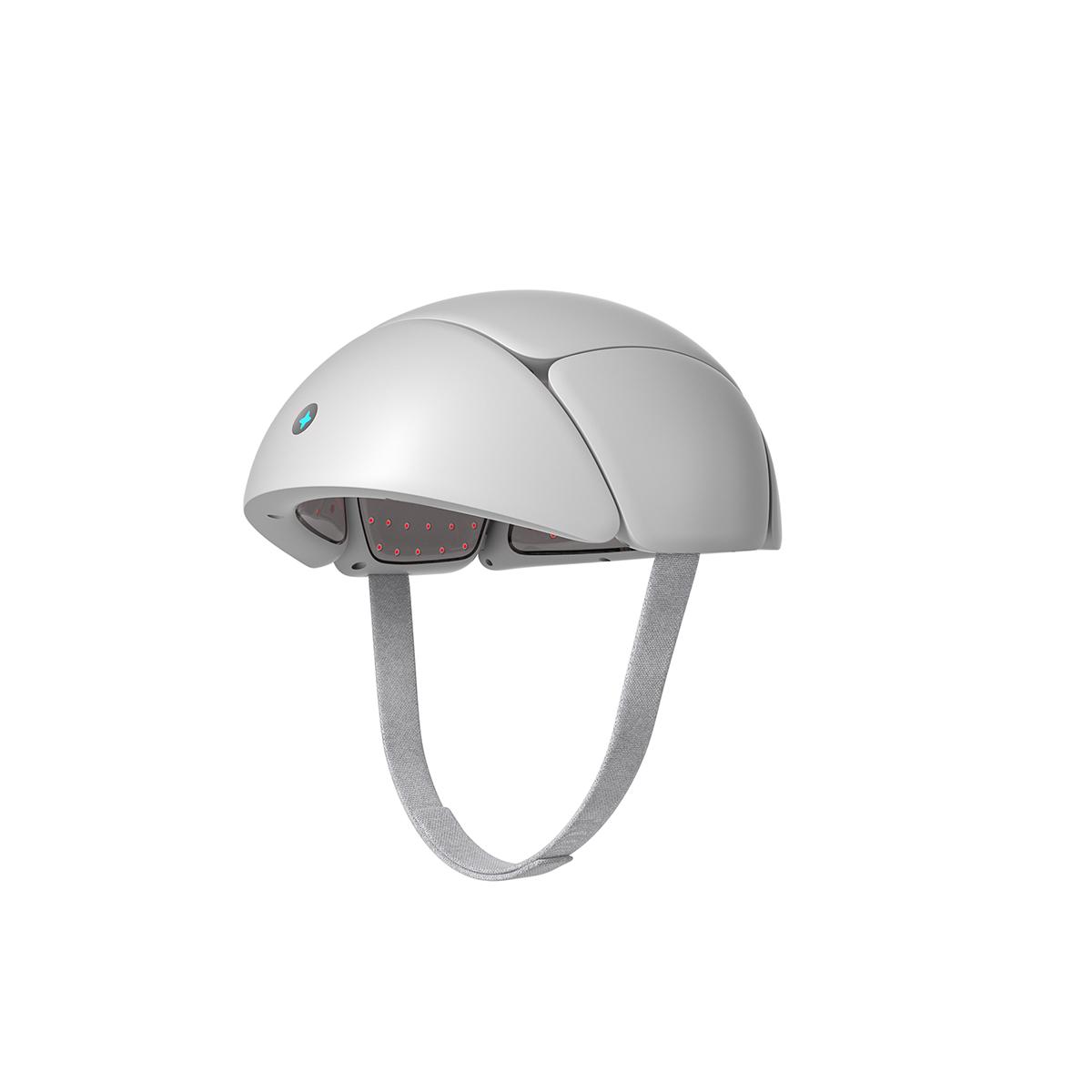
If you're tired of thinning hair and searching for a real solution, you've likely come across hair growth helmets. But many fall short. Enter GUANG TAI – a brand that’s changing the game in scalp revitalization. Their best hair growth helmet uses advanced technology to wake up dormant follicles, paving the way for thicker, fuller hair. Ready to see what sets it apart?
How Light Therapy Wakes Up Dormant Follicles
Light therapy works by delivering specific wavelengths of energy directly into the scalp, penetrating just deep enough to reach dormant hair follicles. These resting follicles still contain the cellular machinery for growth but have simply paused their activity. The photons absorbed by cells act as a gentle biological signal, nudging them out of their inactive phase and back into the anagen, or active growth, stage. It’s less about forcing change and more about removing the energetic block that kept them idle.
At a microscopic level, this gentle stimulation improves microcirculation around the follicles, delivering a richer supply of oxygen and nutrients right where they’re needed. Waste products that accumulate during prolonged dormancy are flushed away more efficiently, creating a cleaner, more supportive environment. Mitochondria—the tiny power plants inside each cell—respond to the light by producing more ATP, fuelling the follicle’s transition from rest to regeneration. The increase in cellular energy doesn’t just spark the waking process—it helps sustain it.
What makes light therapy particularly intriguing is its cumulative effect. Hair cycles don’t switch overnight; follicles need repeated exposure over weeks to fully re-enter and maintain the growth phase. This isn’t a harsh reset but a gradual reminder, coaxing the scalp back toward its natural rhythm. Users often notice a reduction in shedding before they spot new strands—a sign that the follicles are waking and holding on to growing hairs longer. With consistent use, those once-quiet roots start producing visible, healthier strands again.
The Science Behind Scalp Rejuvenation
Your scalp ages just like the rest of your skin, losing collagen and elastin over time while microcirculation slows. This gradual shift can weaken follicles and create an environment where hair struggles to grow as thickly or as long as it once did.
Oxidative stress caused by UV rays and everyday pollutants fuels low-grade inflammation that disrupts the natural hair cycle. Follicles may enter a resting phase too early, often triggered by hormonal changes and sluggish cellular energy production. Simply moisturizing the surface isn’t enough—the real work happens deeper, where antioxidants and energizing molecules can reset the balance.
Modern formulations tap into growth factors and peptides that signal dormant follicles to re-enter the growth phase. By mimicking the body’s repair signals, these compounds help restore a healthier scalp ecosystem, leading to visibly stronger and fuller hair with continued use.
Why Consistency Matters More Than You Think
We tend to overestimate what a single burst of effort can achieve and underestimate the quiet accumulation of small, repeated actions. The real magic isn't in the occasional heroic push but in the days you show up when motivation has long since faded. Over time, consistency compounds like interest, turning modest investments into something far greater than the sum of their parts.
In any relationship—whether with clients, colleagues, or friends—trust is built not through grand gestures but through predictable, reliable behavior. When people know what to expect from you, they lean in. Consistency becomes a signal of safety and professionalism, a quiet promise that you'll deliver even when no one is watching.
Beyond external results, consistency reshapes your identity. Each repeated action is a vote for the kind of person you're becoming. You don't need to be perfect; you just need to keep the streak alive. The narrative shifts from 'I want to do this' to 'I'm the type of person who does this,' and that shift makes effort feel less like a chore and more like an extension of who you are.
What to Look for in a Quality Hair Growth Helmet
When scanning the market for a hair growth helmet that actually delivers, the type of light technology sits at the top of the checklist. Medical-grade laser diodes, typically at a wavelength around 650nm, have the deepest research backing, but high-quality LED clusters can also be effective if the energy output is consistent. Steer clear of devices that are vague about their specs—you want a clear breakdown of total power, number of lights, and whether they're lasers, LEDs, or a mix. A helmet that only mentions "red light" without providing wavelengths or intensity rankings is often more marketing than machinery.
Comfort and practicality often separate a device you'll use religiously from one that gathers dust. A well-designed helmet should sit snugly without causing pressure points, ideally with adjustable sizing and a lightweight build. Look for cordless operation if you plan to move around during sessions—being tethered to a wall for 20 minutes every day can wear on your patience quickly. Pay attention to session timing, too; some models take up to 30 minutes per treatment, while more powerful ones clock in at half that. Those minutes add up over months, so a shorter, fully automated session that fits seamlessly into your morning coffee or evening wind-down is a genuine feature, not just convenience hype.
Finally, vet the helmet's credibility through real-world testing and third-party validations rather than catchy claims. Check for FDA clearance as a starting point—not all devices have it, and those that do have passed basic safety and efficacy hurdles. User experiences from forums or unfiltered reviews often reveal long-term satisfaction better than a brand's website ever will. A quality manufacturer won't shy away from offering a painless return policy either; a 60-day or longer trial signals that the company stands behind its results. Bonus points if you find a model compatible with complementary therapies—like serums or scalp massagers—since stacking approaches tends to yield denser, healthier regrowth over standalone treatments.
Realistic Results: From Thinning to Thriving
When I first noticed my hair thinning, I felt like I was losing a part of myself. Every morning, I'd count the strands on my pillow and wonder if this was just the beginning of a slow decline. The mirror became a source of anxiety, and I tried countless products that promised miracles but delivered nothing. It's disheartening when you're told to accept thinning as inevitable, as if your only option is to manage the loss rather than reverse it.
But the shift from thinning to thriving didn't happen overnight—it came from understanding that hair health is a reflection of overall well-being. I started paying attention to nutrition, stress levels, and scalp care in a way I never had before. Instead of chasing quick fixes, I focused on consistency: a balanced diet rich in iron and protein, gentle hair care rituals, and targeted treatments that supported regrowth. Slowly, those sparse areas began to fill in, not with wispy strands, but with stronger, thicker hair that actually stayed.
What surprised me most was that realistic results aren't about perfection. Even now, my hair isn't magazine-cover flawless, but it's healthy, resilient, and no longer a source of distress. The journey taught me that thriving isn't an endpoint; it's a daily practice of giving your body what it needs to heal. If you're in the thinning phase, know that genuine progress is possible—it just doesn't always look like a dramatic before-and-after. Sometimes it's simply noticing that you're no longer afraid to run your fingers through your hair.
Integrating the Helmet into Your Daily Routine
Making a helmet part of your everyday life starts with choosing one that feels like a natural extension of your personal style, not just a piece of safety gear. Opt for a design and color that you genuinely enjoy, whether that means a sleek matte finish for the minimalist or a bold pattern that adds a pop of personality to your commute. When it looks good hanging by the door or sitting on your desk, you're far more likely to grab it without a second thought.
Next, anchor the habit to an existing routine. Keep your helmet right next to the items you never leave home without—your keys, wallet, or bag—so it becomes part of the same mental checklist. If you ride a bike or scooter, try storing it directly on the handlebars or in a dedicated spot near the door. Even on quick trips to the corner store, letting the routine of reaching for the helmet sink in transforms a sporadic behavior into an effortless reflex.
Finally, make comfort non-negotiable. Spend a few minutes adjusting the straps and inner pads until wearing it feels almost forgettable; a helmet that pinches or slips is easy to leave behind. Consider adding removable visors for changing light conditions or thin, sweat-wicking liners for warmer months. When the experience is tailored to your needs, the helmet stops being an afterthought and becomes a welcome part of your daily rhythm.
FAQ
It uses low-level laser therapy to stimulate blood flow in the scalp and wake up dormant follicles. Think of it like a gentle nudge for your hair roots, encouraging them to shift back into an active growth phase.
Absolutely. These devices are designed for frequent use—most are cleared by the FDA for home application. The light energy is non-thermal, so it won't burn or damage skin. Just follow the usage schedule, and you're golden.
Patience is key. Most people start seeing less shedding around the 3-month mark, but the real fullness tends to show up after 6 months. Consistency is everything—missing sessions can delay your progress.
Yes, it tackles the common culprit behind thinning in both genders: weak follicles. Whether it's genetic pattern loss or postpartum shedding, the helmet works to improve hair density regardless of who's wearing it.
Not necessarily, but pairing it with a clean, scalp-friendly shampoo can boost the effect. Skip the heavy styling goop—it can block the light. Some users like adding a biotin supplement, but the helmet does the heavy lifting on its own.
It's surprisingly chill. Most sessions are around 10-20 minutes, and you can read or scroll your phone while wearing it. The helmet sits lightly on your head, so it's not like those bulky salon contraptions.
Think of it like exercise: the benefits stick around only if you keep at it. If you quit entirely, hair might gradually thin again. A maintenance routine—like a couple of sessions weekly—usually keeps things holding steady.
Conclusion
Low-level light therapy has quietly shifted from a niche spa treatment to an at-home solution that actually gets hair moving again. The way it works isn't magic—those red and near-infrared wavelengths seep into the scalp, giving dormant follicles the nudge they need to re-enter the growth phase. It's a gentle prod, not a shock, which means results take time. This is where most people stumble: skipping days or giving up too soon. The science shows that consistent, almost mundane use is what rebuilds the scalp's environment, improving blood flow and quieting the inflammation that can keep hair stuck in a resting state. Think of it less like a quick fix and more like a slow, steady wake-up call for follicles that have been asleep for too long.
When you start shopping, don't get distracted by flashy extras. A quality helmet stands on a few practical pillars: proper wavelength coverage, enough diodes to deliver real energy without overheating, and a fit that actually stays comfortable for twenty-minute sessions. Realistic expectations matter just as much. Nobody wakes up with a full mane overnight. Instead, you might notice less hair in the shower after a couple of months, then gradual thickening that only makes sense when you compare photos from six or nine months ago. The helmets that work best are the ones you'll actually use—stash it by the couch, wear it while scrolling, make it a ritual. That everyday habit is what tips the scale from thinning to thriving, no hype required.
Contact Us
Contact Person: Leon Yi
Email: [email protected]
Tel/WhatsApp: +86 17363316873
Website: https://zzgt.en.alibaba.com/