

Best General-Purpose Silicone Sealant for Everyday Household Repairs and DIY Projects
2026-11-19
A tube of silicone sealant is one of those things you do not think about until a leak, crack, or draft shows up. Then the only question that matters is whether it will still be sealing six months later. That is where a true general-purpose silicone sealant earns its place in the toolbox. Below, we break down what actually matters for everyday household repairs and DIY projects—and why Baolongda Group is worth a closer look before your next caulking job.
Why a General-Purpose Silicone Sealant Earns Its Keep in a DIY Kit
Most DIY kits are packed with cutting tools and fasteners, yet the real test often comes when a gap opens up around a sink or a window frame starts letting in drafts. A general-purpose silicone sealant covers that middle ground without asking you to memorize which adhesive works on which surface. It grabs onto tile, glass, painted wood, and metal well enough for most household fixes, so a single tube handles everything from re-sealing a shower corner to filling a crack where a cable passes through a wall.
What makes it more useful than a basic caulk is the way it moves with the materials around it. Wood swells in humid months, metal expands on hot days, and rigid fillers tend to snap under that kind of pressure. Silicone stays flexible after it cures, which means repairs around windows, vents, and plumbing fixtures are less likely to reopen when the house shifts or temperatures swing.
Keeping one tube in a drawer also removes the need to buy a separate product for every small emergency. A quick squeeze along the base of a backsplash or around an outdoor light fixture gives you a watertight seal without a special trip to the hardware store. It will not replace every adhesive, but for the odd gap, seam, or crack that appears without warning, it earns its spot next to the screwdrivers and tape.
Household Repairs That Get Easier with the Right Sealant
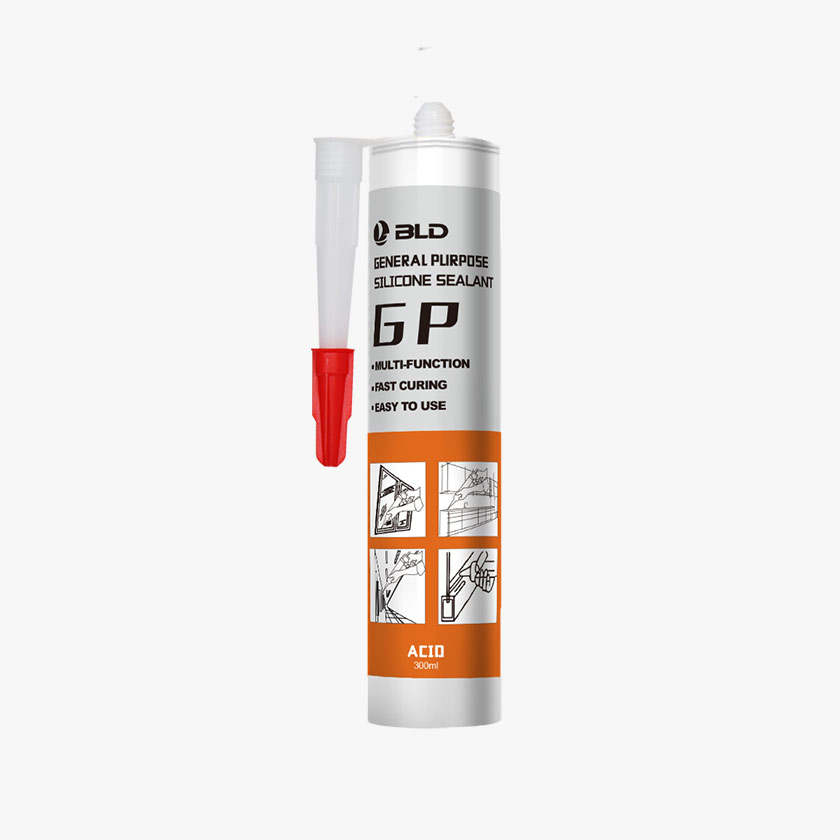
A bathroom faucet that drips at the base or a kitchen sink that leaves a small puddle after every use is easy to ignore until the damage spreads. The right sealant turns a frustrating repair into a straightforward fix. Rather than wrestling with stiff putty or hoping a generic tape will hold, a flexible, waterproof sealant fills the gap, sets cleanly, and stays put through daily temperature swings and constant moisture.
Small gaps around window frames and exterior door trim are another common headache. Cold drafts, dust, and the occasional ant trail all find their way through openings that look minor. A weather-resistant sealant that stays slightly elastic after curing can bridge these gaps without cracking when the materials expand and contract. The result is less time spent reapplying filler each season and fewer surprises on the energy bill.
Even repairs involving dissimilar surfaces become more manageable with the right product. Bonding metal flashing to brick, sealing a joint between painted wood and concrete, or fixing a loose tile edge usually requires more than one material—unless the sealant is formulated for multi-surface adhesion. Choosing a sealant based on the specific materials and exposure level saves clean-up time and prevents the kind of repeat repair that happens when the wrong product peels away after a few weeks.
Matching the Sealant to Common Surfaces Without the Guesswork
Most sealant failures happen long before the bead dries because the product and the surface never really agreed with each other. Start with the surface itself: wood expands and contracts with moisture, so it calls for a paintable acrylic latex or a hybrid that can move without cracking. Metal, especially aluminum or galvanized steel, often rejects standard formulas; a neutral-cure silicone or a polyether avoids the corrosion and adhesion problems that show up a few seasons later. Glass and tile want clarity and water resistance, which is where a clear silicone stands out, but only if the surface is completely dry and free of residue.
Porous materials like concrete, brick, and natural stone need a sealant that can grip dust-prone, uneven edges rather than just sit on top. A polyurethane or an elastomeric sealant works well there because it fills the voids and stays flexible enough for temperature swings. For kitchens and bathrooms, the real differentiator is mold resistance and regular exposure to soap and water; choose a formula rated for high-moisture areas rather than assuming any kitchen-and-bath label means the same thing. Testing a small, hidden section first can reveal adhesion issues without risking the whole joint.
Color, movement rating, and cure time matter just as much as the material match. If a joint will see repeated vibration or structural movement, a low-modulus sealant with a high movement capability gives the bead room to stretch instead of peeling away. When appearance is part of the job, pick a shade that matches the surrounding surface or paints over cleanly once cured, and match the finish to the sheen of the area. Spending a minute on the label’s substrate list removes the guesswork faster than trying to force one product to work everywhere.
Clean Application Tricks That Do Not Require Pro Experience
Most clean app design comes from taking things away, not adding polish. If a screen feels busy, remove the least useful button or label before you reach for another color or effect. A single accent color and consistent spacing will make an otherwise plain layout feel deliberate, even if you are still learning the fundamentals.
You also do not need a custom icon set or a rare typeface to make the interface look tidy. Native components, system fonts, and standard margins already cover a lot of the visual work. When controls sit where users expect them and behave in familiar ways, the app feels calm and organized without any visual tricks.
Fill every screen with real content early. Names, numbers, and messages that are longer or shorter than expected will expose padding problems and alignment flaws that dummy text hides. Fix those friction points before worrying about the final shade of a button, and the whole product will feel more professional on its own.
Indoor and Outdoor Jobs One Dependable Tube Can Handle
One tube, zero guesswork. Whether you are filling a gap along baseboards in a dry bedroom or fixing a loose stone on a garden path, it goes on smooth and holds up without cracking when the humidity spikes or the ground freezes.
The real difference shows up after a few months. Most all-purpose tubes start to shrink, yellow, or let go at the edges. This one keeps its grip on wood, concrete, metal, and painted trim, so you can do the tidy indoor fixes and the messier outdoor repairs with the same squeeze.
It also means fewer half-used tubes rattling around. One reliable option covers a bathroom vent leak, a split hose fitting, and a wobbly door frame without forcing you to read the fine print on three different products.
Signs a Silicone Sealant Will Hold Up Beyond the First Season
A silicone sealant that's worth keeping around doesn't just look decent on day one—it still feels slightly rubbery and resilient months later, after freeze-thaw cycles, summer UV, and the occasional pressure-wash. Run a fingernail across the bead; if it springs back without cracking or flaking, the formulation has held its flexibility. Cheap caulk tends to harden, chalk, or pull away at the edges once the seasons turn, so that clean, elastic snap is a pretty honest tell.
Look closely where the sealant meets the substrate. A quality silicone won't show a widening hairline gap or turn brittle at the corners where movement happens most—think window perimeters, expansion joints, or trim transitions. If the bond line is still tight and the material hasn't shrunk into a concave, under-filled seam, you're likely dealing with something that can handle repeated thermal movement without giving up.
Water behavior is another giveaway. After a hard rain, a long-lasting silicone will bead water on the surface and leave no darkened, damp-looking edges that suggest moisture is wicking underneath. When everything stays dry behind the seal and the bead still looks attached rather than peeled, that's a strong sign it'll keep performing well past the first twelve months.
FAQ
Choose a neutral-cure formula that stays flexible after curing and adheres well to glass, ceramic, metal, and most plastics. If the area gets wet or steamy, look for mold and mildew resistance on the label. A lower odor and shorter tack-free time also make DIY work more pleasant.
Yes, a general-purpose silicone with a waterproof, mold-resistant formulation works in sinks, tubs, backsplashes, and around fixtures. For food-contact areas like inside a refrigerator or on a cutting board, check that the product is explicitly rated food-safe.
Most general-purpose silicone sealants skin over within 10 to 30 minutes and fully cure in about 24 hours. Thicker beads, cool temperatures, or high humidity can extend that time. Avoid exposing the joint to water until it has cured completely.
No, standard silicone sealant does not accept paint well. If you need a painted finish, use a paintable acrylic or hybrid sealant, or mask the area carefully and choose a silicone color that matches the surrounding surface.
Cut the nozzle at a 45-degree angle, apply steady pressure, and keep the tip moving ahead of the bead. Lay down masking tape on both sides of the joint, smooth the bead with a wet finger or tool within a few minutes, then remove the tape before a skin forms.
Silicone stays flexible, resists water, and lasts longer in wet areas, but it cannot be painted. Acrylic caulk is paintable, easier to clean with water, and often cheaper, but it is less elastic and not ideal for joints that swell, shrink, or stay wet.
Cut away as much as possible with a utility knife or a dedicated sealant removal tool, then soften the residue with a silicone remover or mineral spirits if the surface allows. Clean the area with rubbing alcohol, let it dry completely, and apply the new sealant to a dust-free, dry joint.
Indoors, a quality silicone bead often lasts 10 to 20 years if the joint was clean and dry during application. In high-movement or sunny outdoor areas, expect closer to 5 to 10 years; inspect for peeling, cracking, or mold and recaulk when needed.
Conclusion
A general-purpose silicone sealant is one of those quiet workhorses that earns its keep long before a repair turns into an eyesore. In a typical DIY kit, it covers everything from re-sealing the edges of a kitchen sink to filling gaps around window frames, door thresholds, and even loose tile trim. The real advantage comes down to versatility: the same tube can often handle glass, ceramic, metal, painted wood, and many plastics without forcing you to switch products mid-job. Still, matching the sealant to the surface matters. A neutral-cure formula tends to be kinder to porous stone and corrosion-prone metals, while a standard acetoxy sealant works well on non-porous surfaces like glass and glazed tile. Clean application is less about experience and more about preparation. Wipe the area dry, remove old residue, and use painter’s tape to keep lines sharp; a light mist of soapy water on your fingertip or a small smoothing tool helps create a neat bead without lifting or smearing the sealant.
The same dependable tube can move from indoor bathroom touch-ups to outdoor jobs around gutter seams, exterior trim, and cable entry points, partly because silicone stays flexible through temperature swings and repeated contact with moisture. That flexibility is also one of the signs you are dealing with a sealant that will last beyond the first season. Look for a product that remains slightly elastic after curing rather than turning hard or chalky. A worthwhile general-purpose option resists mold and mildew in damp rooms, holds up against UV exposure outdoors, and shows no deep shrinkage once dry. If the label indicates movement capability around twenty-five percent or higher and lists 100% silicone rather than a heavily diluted acrylic blend, it is more likely to keep the bond intact through seasonal expansion and contraction. In everyday use, a good silicone sealant quietly prevents small cracks from becoming bigger problems, which is exactly what makes it a staple for household repairs and DIY projects.
Contact Us
Contact Person: Charles
Email: [email protected]
Tel/WhatsApp: +86-0536-3350888
Website: https://www.baolongda.com/