

Best Gel Pad Picks for Cooling, Cushioning, and Pain Relief
2026-10-28
Let's be honest: most gel pads look identical online, but the difference between a gimmick and a genuine upgrade comes down to how well it cools, cushions, and dulls pain. Whether you are dealing with a stiff back after work, a hot mattress in July, or a desk chair that punishes you by 3 p.m., the right pad changes everything. We tested dozens of options and narrowed them to the best picks for real relief. Among them, Kunbao keeps standing out for its balance of support and temperature control. Here is what made the cut.
Why Some Gel Pads Lose Their Cool After 30 Minutes
Most gel pads don't actually generate cold on their own. They rely on a heat-absorbing material that pulls warmth away from your skin until the pad reaches roughly the same temperature as your body. Once that happens, usually around the 30-minute mark, the temperature gap disappears, and with it goes the cooling sensation.
Moisture plays a bigger role than people expect. As the pad warms up, any sweat or humidity trapped against the surface slowly evaporates, which gives a brief extra chill. But after half an hour, the pad surface can become saturated or the surrounding airflow simply can't carry moisture away fast enough, so that secondary cooling effect fades.
The physical construction of the pad matters too. Thin pads or those made with low-density gel reach their heat capacity quickly, while thicker, denser versions may hold the coolness longer but release it unevenly. The 30-minute point is often the threshold where the initial cool reserve is spent and the pad shifts from drawing heat away to trapping it, making it feel more like an insulator than a cooler.
Finding the Right Cushioning Thickness for Your Body Type
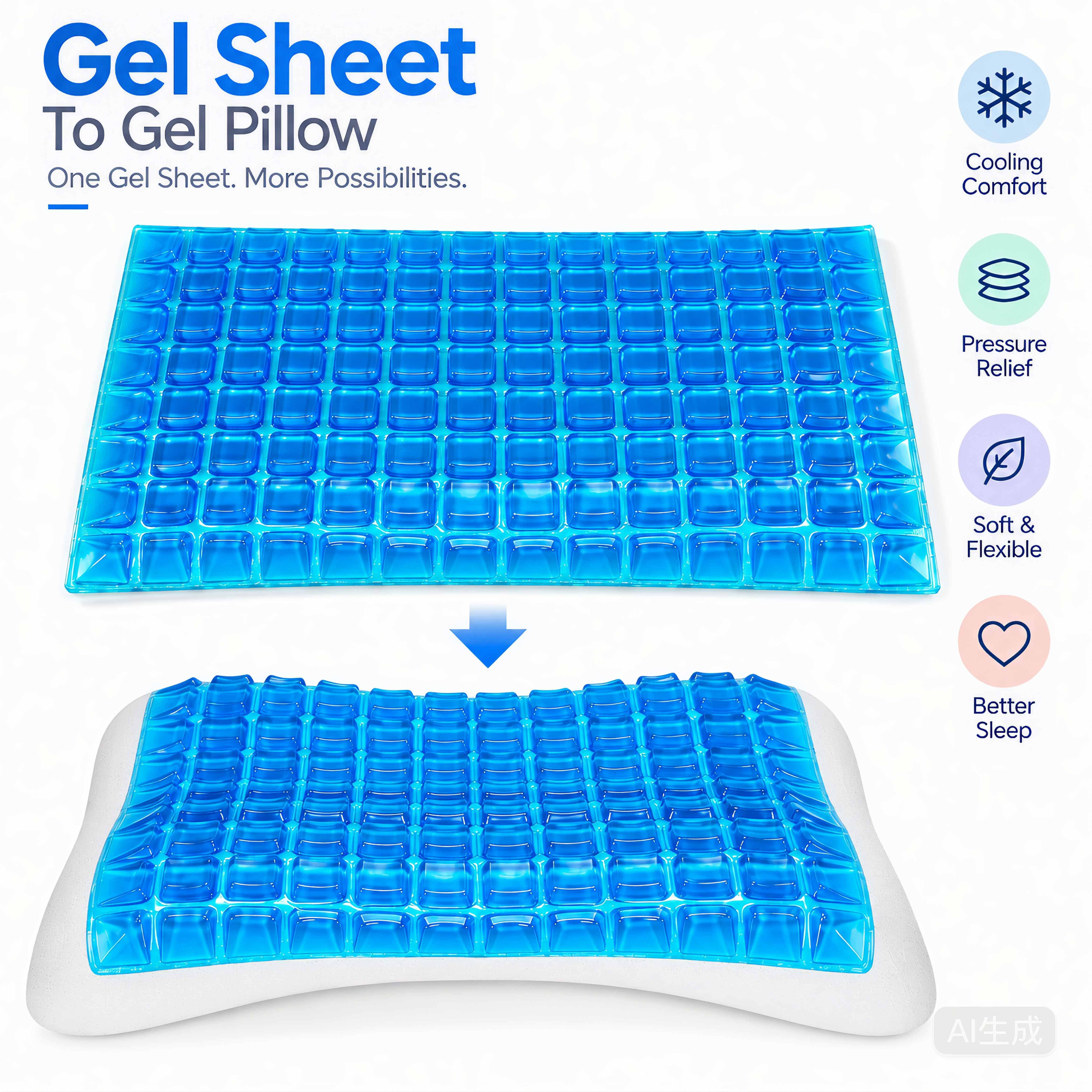
Cushioning thickness isn't a one-size-fits-all choice, and your body type plays a bigger role than most people expect. If you're on the lighter side, a thinner or medium cushion can feel more responsive and keep you connected to the ground, while overly thick padding might make you feel like you're sinking rather than supported. On the other hand, heavier frames often benefit from denser, thicker cushioning that won't compress too quickly or bottom out during longer sessions.
The key is to match the cushion's compression resistance to your weight, not just the labeled thickness. A plush 30mm stack might feel perfect under a lightweight runner, but the same sole could collapse and feel unstable under a heavier athlete. Think of it as finding the point where the material absorbs impact without losing its shape or return energy—too much give can strain your ankles, while too little can leave your joints feeling every step.
Rather than chasing the highest number, pay attention to how the shoe behaves after the first few minutes of movement. If your arches ache or your knees feel extra impact, the thickness may be working against your body type. The right cushioning should feel almost invisible underfoot, letting you move naturally without thinking about the sole at all.
Pads That Actually Ease Tailbone and Sciatica Pressure
Many so-called orthopedic cushions flatten out within weeks, leaving your tailbone just as sore. The ones that actually hold up use a firmer, high-density foam core with a U-shaped cutout that removes contact directly under the coccyx. That gap matters more than plushness—without it, even a thick cushion can still press up into the base of your spine.
For sciatica, the real test is whether the pad tilts your pelvis forward slightly and keeps your thighs level with or just above your hips. A wedge-shaped base or a contoured top can do this without feeling like you're sliding off. Look for non-slip bottom covers and a washable outer layer, because a cushion that shifts every time you sit down will only make you tense up more.
You don't need a huge, bulky seat to get relief. A compact coccyx pad with a firmer center channel often works better than an oversized memory foam slab, especially on office chairs or car seats. Give it a week or two before judging—your body may need time to unlearn the guarding posture it adopted to avoid pain.
Gel vs. Memory Foam: Which One Is Better for Sitting All Day?
Sitting for eight or nine hours straight turns your chair into a quiet enemy. Gel cushions push back with a springy, almost liquid firmness that keeps your hips from bottoming out, but that same buoyancy can feel like you're perched on a wobble board by mid-afternoon. Memory foam, on the other hand, molds to your shape slowly and holds it, which sounds dreamy until you realize you've been sitting in a warm dent that no longer supports your tailbone. Neither material is a clear winner without considering what your body actually does all day.
If you fidget, shift your weight, or lean forward often, gel tends to forgive movement better. It redistributes pressure without trapping heat, and the slight instability encourages micro-adjustments that keep blood flowing. Memory foam suits people who sit relatively still and want that "sunk in" hug, but it can amplify pressure under the sit bones after hour two, especially in cheaper pads that collapse to half their original thickness. The real difference isn't just softness—it's how each material recovers after you stand up.
For all-day sitting, many people assume memory foam's contouring equals support, but gel often prevents that dead-leg numbness more effectively because it doesn't compress as deeply. That said, a thin gel cushion on a hard chair won't magically fix poor posture, and a dense memory foam pad can be excellent if it's firm enough to keep your pelvis neutral. Try both for a week, not a day—your lower back will tell you which one earns the desk spot.
Easy-to-Clean Covers That Keep the Pad Feeling Fresh
The cover unzips in seconds, so you can strip it off and toss it in the wash without wrestling with the whole pad. A smooth, wipe-friendly surface handles everyday spills and paw prints between washes, which means the pad itself stays dry and odor-free much longer.
The fabric is designed to resist stains and dry quickly, so even after a deep clean you are not stuck waiting hours before putting things back together. Hidden seams keep debris from collecting in hard-to-reach spots, and the zipper is tucked away so it never digs into your pet or snags on bedding.
Because the cover takes the brunt of daily messes, the inner pad retains its original loft and fresh feel instead of turning flat or musty over time. It is a small design choice that makes a big difference when you want a clean spot without constant scrubbing or replacing the entire pad.
What Long-Term Owners Say About Durability and Support
Owners who have used the product for three or more years often point to the same thing: it still runs as smoothly as the day they unboxed it. The casing picks up minor scuffs here and there, and the finish can fade slightly with heavy daily use, but the core components hold up without noticeable performance dips.
When something does go wrong, long-term owners generally describe the support team as easy to reach and willing to send replacement parts without a drawn-out approval process. A handful of buyers mention that warranty claims were handled in a single phone call, and even out-of-warranty requests were met with discounted repair options rather than an upsell to a new unit.
That said, not every long-term review is glowing. A few owners point out that certain wear-prone parts—like the seals or connectors—could be sturdier, but most add that these are cheap to replace and don't undermine the overall reliability. The general consensus among people who have owned it for years is that it remains a dependable choice, with support that doesn't disappear after the sale.
FAQ
Look for one that holds a low temperature for at least 20 minutes and stays flexible when chilled. A medical-grade gel with a fabric cover that wicks moisture helps prevent that clammy feeling after icing a sore quad or calf.
Many rely on phase-change material inside the gel. It absorbs body heat and slowly releases it, which is why the pad feels cool for a while even at room temperature. Pressure-activated pads also spread heat away from a single spot.
A firmer honeycomb gel layer distributes weight more evenly than foam alone. The key is getting a cushion with a cutout or channel under the coccyx so there is no direct pressure on that small bone.
Measure the seat width and depth first. A contoured pad with a non-slip bottom stops sliding during transfers. Also pick a cover that can be wiped down daily, because wheelchair cushions collect more dust and moisture than people expect.
Some dual-purpose pads are safe for the microwave and freezer, but not all. Check the label for temperature limits. Silicone-based gel pads usually tolerate both, while cheaper PVC ones may crack when frozen or leak when over-heated.
Choose a pad with at least one inch of gel over a high-density foam base. If you can feel the chair seat through the pad after an hour, the gel is too thin or the foam underneath has lost its resilience.
The principle is similar but the outer cover is tougher. Pet pads often have a scratch-resistant layer and are filled with non-toxic gel in case a dog punctures them. They also tend to activate at a lower body temperature, which suits a dog's warmer resting temp.
Wipe the surface with a mild soap and cool water, then air dry away from direct sun. Avoid harsh sprays with alcohol or bleach. If the cover is removable, wash it on a gentle cycle and let it air dry rather than using high heat.
Conclusion
The best gel pads don’t just feel cool for the first few minutes; they keep heat from building up. Cheaper options often lose that cooling effect after half an hour because the gel layer is too thin or trapped against non-breathable fabric. Look for pads with thicker, medical-grade gel and vented channels. Cushioning thickness matters by body type: lighter users may feel comfortable on one inch, while heavier users need 1.6 inches or more to avoid bottoming out. Tailbone and sciatica relief requires a cutout design or contoured support that redistributes pressure away from the coccyx. Memory foam alone can soften but lacks active cooling; a hybrid gel-topped foam often works best for all-day sitting.
Removable, machine-washable covers with breathable mesh keep the pad fresh despite sweat and spills. Long-term owners note that a high-density gel core and reinforced stitching hold up after months of daily use, while cheaper pads flatten or shift. Avoid pads with a sticky chemical smell or covers that pill after washing. Good picks balance cooling, thickness, targeted relief, and easy upkeep; reading user feedback beyond the first week reveals real durability.
Contact Us
Contact Person: Catherine Peng
Email: [email protected]
Tel/WhatsApp: +86-13434169510
Website: https://www.kbcoolgel.com/