
Alkyl Polyglucoside Factory Insights: Crafting Eco-Friendly Surfactants for Modern Cleaning
2026-08-05
In a world increasingly conscious of the chemicals we bring into our homes, alkyl polyglucosides have emerged as a quiet revolution in green cleaning. Derived from renewable plant sources like corn and coconut, these surfactants offer powerful cleansing without the environmental trade-offs. At the forefront of this eco-shift is POLYKEM, a name synonymous with high-quality, sustainable surfactant production. In this deep dive, we’ll explore how POLYKEM’s alkyl polyglucoside factory turns nature’s building blocks into the mild yet effective cleaning agents shaping today’s eco-friendly products—and why that matters for a cleaner future.
How Renewable Raw Materials Transform into Alkyl Polyglucosides
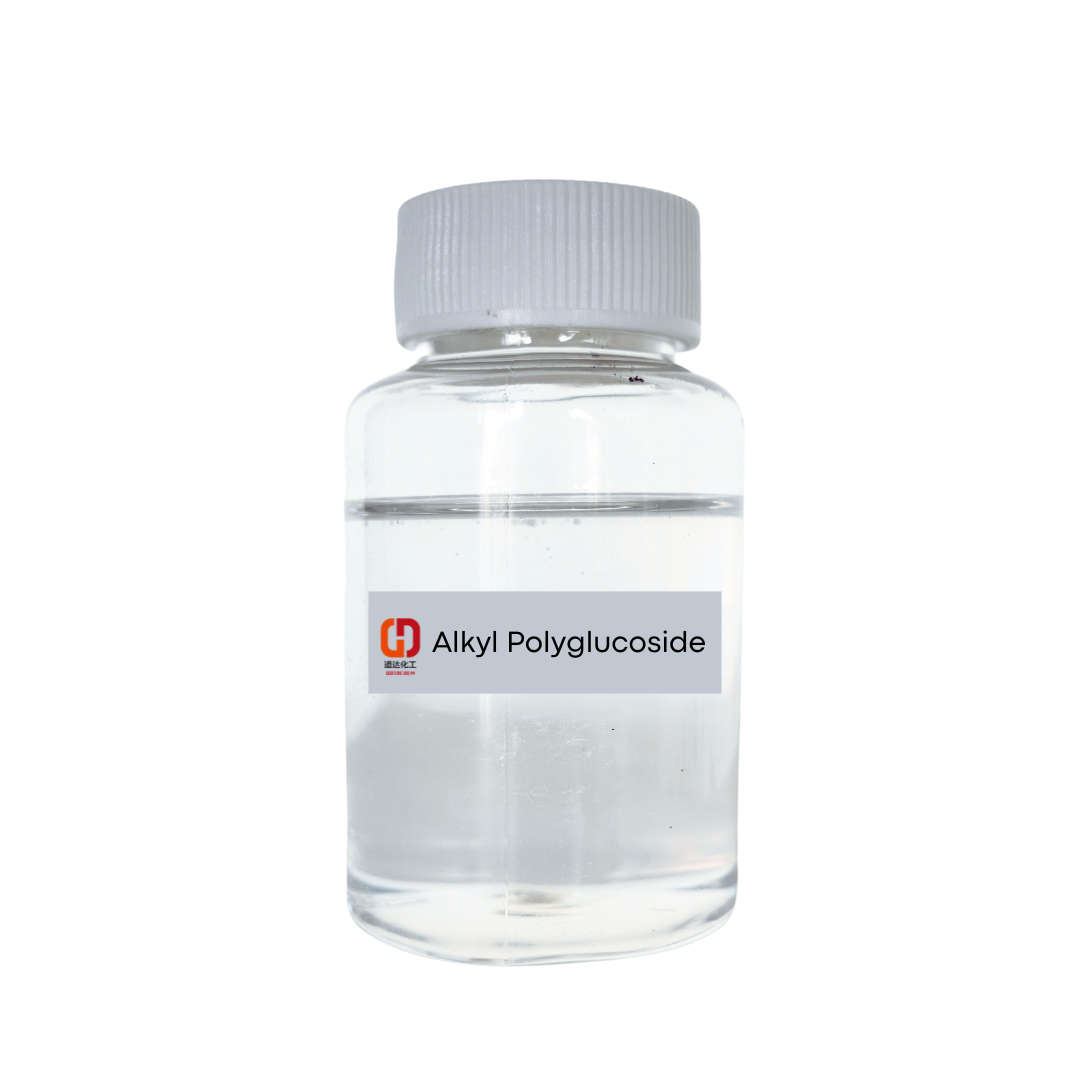
The transformation begins with two simple, plant-based starting points: fatty alcohols and glucose. Fatty alcohols are sourced from renewable oils like coconut or palm kernel, while glucose comes from corn, potato, or wheat starch. These aren't exotic or rare ingredients—they're abundant, natural substances that have been part of human industry for decades. When brought together under the right conditions, they undergo a fascinating chemical dance, stripping away water molecules to form a glycosidic bond. This bond links the hydrophilic glucose head to the lipophilic fatty alcohol tail, giving the molecule its surfactant properties.
What makes this process stand out is its elegant simplicity and minimal environmental footprint. Unlike many conventional surfactants that rely on harsh sulfation or ethoxylation steps, the synthesis of alkyl polyglucosides uses a direct acid-catalyzed reaction. The result is a product that retains the natural character of its raw materials—no ethoxylates, no sulfates, just sugar and fat alcohol stitched together. After the reaction, excess glucose is recycled, and the final mixture is neutralized and purified. The entire manufacturing route is designed to keep energy consumption low and avoid toxic byproducts, aligning with modern green chemistry principles.
The outcome is a surfactant that's both gentle and effective. Because the glucose part comes from nature, it's readily biodegradable and kind to the skin, making it a favorite in personal care products. The fatty alcohol tail can be tailored—shorter chains for better foaming, longer ones for enhanced mildness—allowing formulators to tune performance without losing the ingredient's renewable identity. This transformation from field to flask to finished product really captures the shift toward sustainable chemistry: harnessing what nature provides, modifying it with careful science, and creating something that works beautifully and then simply returns to the earth.
Process Innovations Driving the Eco-Friendly Surfactant Revolution
The pivot toward greener surfactants isn't just about swapping feedstocks—it's a ground-up rethinking of how these molecules are made. One standout approach is the use of continuous flow reactors that replace conventional batch processing. By precisely controlling reaction time, temperature, and mixing, manufacturers can dramatically cut energy use and waste. For example, enzymatic esterification in flow systems allows high-yield production of sugar-based surfactants at lower temperatures, sidestepping the need for harsh catalysts and generating fewer side products. This not only slashes the carbon footprint but also yields purer surfactants that are free of residual solvents, making them safer for sensitive formulations like baby shampoos.
Another quiet revolution is happening in fermentation and whole-cell biocatalysis. Instead of extracting precursors from petrochemicals or even plants, engineered microbes directly brew surfactant building blocks—like sophorolipids or rhamnolipids—from agricultural residues. Recent advances have pushed titers beyond 100 g/L, reaching cost parity with synthetic alternatives. Crucially, innovation here isn't confined to the bioreactor; downstream processing has seen leaps too. Gravity-based separation and membrane filtration are displacing energy-intensive distillation, preserving the delicate structures of these biosurfactants while keeping production truly low-impact.
The third axis of change is the integration of real-time analytics and machine learning to fine-tune processes that were once run on gut feel. Inline sensors track viscosity, surface tension, and particle size mid-reaction, feeding data to models that predict the optimal moment to stop a quench or adjust feed rates. This adaptive manufacturing curbs overprocessing and ensures each batch meets tight performance specs without excess energy spend. A case in point: one facility using near-infrared spectroscopy and closed-loop control reduced its rinse-water consumption by 37% while boosting surfactant active matter consistency. These under-the-hood improvements might lack the glamour of new molecule launches, but they're quietly transforming the sector's environmental arithmetic.
Inside the Facility: Where Sustainability Meets Industrial-Scale Production
Walking through the main production hall, the hum of high-efficiency machinery blends with natural light streaming through skylights — a deliberate design choice that cuts daytime electricity use by nearly a third. Every conveyor belt and processing unit is calibrated not just for throughput, but for energy conservation, with regenerative braking systems feeding power back into the grid during peak cycles. It’s a rare sight in heavy industry: a place where the sharp smell of solvents is absent, replaced by air continuously scrubbed and recirculated through bio-filters that turn potential pollutants into harmless compounds.
Further in, the water treatment loop reveals another layer of commitment. Process water, once destined for disposal, now circulates through a closed-loop system that reclaims over 90% of it for reuse. Tanks lined with specialized membranes capture even microscopic contaminants, leaving liquid clean enough to return to production or safely irrigate on-site green spaces. The sheer scale is staggering — thousands of gallons recycled daily, all managed by a network of sensors that adjust flows automatically to minimize waste without slowing the line.
Even the waste has a second life here. Scrap from the cutting floors is immediately sorted, compacted, and sent to a partner facility just across the road, where it’s melted down and repurposed into new raw material. The roof itself pulls double duty, blanketed in solar panels that generate a significant portion of the plant’s power, while employees arrive to find charging stations for electric vehicles and a bike-sharing hub that encourages a low-carbon commute. It’s industrial-scale production reimagined — where every square foot works toward output and stewardship in equal measure.
Designing Gentle Yet Powerful Cleaners for Modern Needs
Modern living demands cleaners that strike a delicate balance—tough on grime but kind to surfaces, skin, and the environment. Formulating such products means looking beyond harsh chemicals toward innovative, plant-based surfactants and enzymatic action that break down dirt at a molecular level without stripping away protective layers or leaving toxic residues. It’s a shift from brute force to intelligent design, where effectiveness is defined by precision rather than potency.
The secret lies in understanding the chemistry of gentle power. Mild yet efficient cleaners often rely on synergies between biodegradable chelating agents, microbially derived enzymes, and pH-balanced solvents that work in harmony. They lift stains, dissolve grease, and eliminate odors while preserving the integrity of fabrics, sealed stone, and sensitive surfaces. This approach not only safeguards your belongings but also reduces the risk of irritation, making them ideal for homes with children, pets, or allergy sufferers.
But gentle doesn't mean compromised. Through advances in green chemistry and encapsulation technology, these cleaners deliver a controlled release of active ingredients, ensuring deep cleaning action exactly where it’s needed. The result is a cleaner that feels mild to the touch yet performs with the vigor of its conventional counterparts, adapting seamlessly to the fast-evolving expectations of mindful consumers who refuse to choose between safety and efficacy.
Why APGs Are the Backbone of Bio-Based Cleaning Solutions
Alkyl polyglucosides, or APGs, have quietly reshaped the cleaning aisle by delivering effective performance without the harsh trade-offs. Unlike conventional surfactants that lean on petroleum feedstocks, APGs are built from renewable raw materials—typically corn starch or coconut oil—giving them a lifecycle that aligns more closely with ecological boundaries. Their molecular structure fuses a sugar-based hydrophilic head with a fatty alcohol tail, so they break down readily in water and soil, minimizing long-term residue. What makes them a structural necessity in modern formulations is this biodegradability paired with robust surface activity: they lower surface tension rapidly, lifting dirt and grease even in cold water, which trims energy use without compromising cleanliness.
Beyond their green credentials, APGs fill a functional gap that other bio-based alternatives often miss. Many natural surfactants struggle with foam stability in hard water or create cloudy solutions, but APGs generate a creamy, stable lather that holds up well across pH ranges and water conditions. They also play well with others—mixing easily with anionic, cationic, or nonionic partners—so formulators can fine-tune viscosity and soil suspension without resorting to synthetic enhancers. This adaptability extends to user experience: APG-based cleaners are notably mild on skin, earning them a place in hand soaps, baby products, and delicate surface sprays where irritation risks run high. In concentrated formulas, their ability to lower the critical micelle concentration means less surfactant is needed overall, reducing the product’s environmental footprint while keeping performance consistent.
The cleaning industry’s pivot toward transparency and safer chemical profiles has only strengthened APGs’ position. Brands are moving beyond simply labeling products “natural” to proving ingredient provenance and degradation curves, and APGs provide a clear story from field to finished bottle. Their manufacturing process—acetalization of glucose with fatty alcohols—avoids aggressive solvents and generates minimal waste streams, which streamlines certifications like the EU Ecolabel or Safer Choice. As consumers become more attuned to what goes down the drain, APGs offer a tangible solution: powerful yet biodegradable cleaning that doesn’t just swap petroleum for a plant-based sticker but rebuilds the chemistry from the inside out. This isn’t greenwashing trickery; it’s a practical shift where the core cleaning molecule is regenerative by design.
From Lab to Laundry: The Journey of a Truly Green Surfactant
It all started with a question that kept a small team of chemists up at night: Could they make a surfactant that cleaned as well as petroleum-based ones but came from renewable sources—and broke down without a trace? Most green alternatives on the market still left something behind, either in the water or in the manufacturing footprint. They turned to fermentation, the same process that gives us bread and beer, but tweaked it with a wild microbe discovered in a compost heap. That little organism turned plant sugars into a molecule with a split personality—one end perfectly happy in water, the other hungry for grease—without the harsh steps of traditional synthesis. It was a long way from ready, but the spark was there.
Scaling up was anything but straightforward. The first pilot batches smelled like old socks and separated into layers overnight, far from the clear, stable liquid that laundry formulators demand. Months were spent tweaking feedstock blends, pH, and purification—each small victory followed by a new headache with foam control or cold-water solubility. They eventually landed on a gentle, concentrated liquid that worked at low temperatures and rinsed clean with minimal water. Field trials with a local linen service turned skeptics into believers: stains lifted, colors stayed bright, and the waste water showed nothing out of the ordinary. No exotic enzymes, no petrochemical backbones—just a surfactant that went back to the earth as quietly as it came.
Now, when someone tosses a capful into their laundry, they're holding more than just a cleaning agent. They're holding a decade of persistence—from the lab bench to a fermentation tank to a shelf without a long paragraph of warnings. And that's the real difference: it doesn't just promise to be green in a lab report; it proves it in every rinse cycle.
FAQ
They are derived from renewable raw materials like corn starch and coconut oil, which gives them excellent skin compatibility and a remarkably low environmental impact. Unlike many synthetic surfactants, APGs break down readily in nature without leaving persistent residues, making them a top choice for formulators aiming to meet both performance and sustainability goals.
The process relies on a direct reaction between a fatty alcohol and glucose, often using minimal processing aids and generating very little waste. Modern production facilities have optimized water and energy usage, and some even reuse by-products, effectively turning the whole operation into a near-closed-loop system that aligns with circular economy principles.
One major challenge is controlling the degree of polymerization; too much variation can alter the surfactant's foaming behavior and solubility. Temperature and catalyst precision are critical—even small deviations can lead to color problems or off-spec batches. Advanced process control and real-time analytics have become essential to keep everything within tight tolerances at industrial scale.
They exhibit a synergistic effect when combined with other surfactants, often boosting foam stability and soil removal without needing harsh solvents. Their mildness also allows for higher actives in formulas without causing irritation, which means cleaners can be tough on grease yet gentle on hands and surfaces like finished wood or stone.
Sourcing is half the story. Factories that prioritize non-GMO, certified sustainable feedstock not only reduce upstream carbon emissions but also support biodiversity. For instance, using palm kernel oil from RSPO-certified plantations and glucose from drought-resistant corn varieties can significantly lower the product's water and land footprint, which resonates with environmentally conscious brands.
They are opening doors in applications where traditional surfactants fail—like in high-temperature cleaning circuits or in metal degreasing baths where low-foaming but powerful wetting is needed. Their stability across a wide pH range and tolerance to electrolytes make them compatible with enzyme blends and oxidizing agents, enabling multi-purpose concentrates that reduce plastic packaging and transportation emissions.
Conclusion
The transformation of renewable feedstocks like corn starch and coconut oil into alkyl polyglucosides is more than a chemical process—it’s a carefully orchestrated shift toward truly green chemistry. Inside modern production facilities, natural sugars and fatty alcohols undergo controlled reactions under mild conditions, avoiding harsh solvents and minimizing energy use. Recent process innovations, from enzyme-assisted synthesis to continuous flow reactors, have boosted efficiency while shrinking the environmental footprint. Walking through a state-of-the-art APG plant reveals how sustainability is embedded at every stage: closed-loop water systems, solar-powered operations, and zero-waste targets are not add-ons but core design principles. It’s industrial-scale manufacturing that doesn’t just claim eco-friendliness—it lives it.
What emerges from these processes are surfactants that marry high-performance cleaning with exceptional skin compatibility. Designed for modern demands, APGs deliver robust degreasing power without the irritation associated with traditional petrochemical-based detergents. This balance makes them the backbone of bio-based cleaning solutions—whether in gentle baby shampoos, biodegradable household sprays, or industrial degreasers that won’t harm aquatic life. The journey from lab curiosity to laundry room staple has proven that green chemistry doesn’t compromise on efficacy. As consumers and regulators push for transparency and safety, APGs stand as a quiet revolution, proving that the future of cleaning is both powerful and planet-positive.
Contact Us
Contact Person: Levi
Email: [email protected]
Tel/WhatsApp: +86 532 84688720
Website: https://www.polykem-intl.com