

Alkyl Polyglucoside Distributor Options for Your Supply Chain
2026-09-16
Alkyl polyglucoside might be a small line item on your BOM, but the wrong distributor can turn it into a big supply chain headache. From batch inconsistencies to opaque lead times, APG sourcing is full of quiet risks. POLYKEM takes a different approach—treating APG as a specialty, not a commodity. If you're re-evaluating your surfactant suppliers, this post breaks down the distributor options that actually hold up under real production pressure.
What Your APG Distributor Should Disclose About Batch Consistency
A trustworthy APG distributor should hand over per-batch analytical data without being asked—not a glossy brochure spec sheet, but the actual certificate of analysis for the lot sitting in your warehouse. That means active matter content, residual fatty alcohol levels, pH in a 10% solution, cloud point, and color on the Gardner or APHA scale. If any of these figures drift beyond a stated tolerance, the formulator needs to know before a production run, not after the surfactant has already been pumped into a mixing tank. Viscosity is another one: a batch that pours thin at 25°C will change how pumps meter it, and no one wants to discover that at 2 a.m. during a scale-up.
Ask how they measure these properties, and don't settle for "in-house method" without a reference. A distributor that discloses batch consistency should also disclose the analytical backbone—whether they use Karl Fischer titration for water content, HPLC for alkyl polyglycoside distribution, or laser diffraction for any insoluble residue. Even better, the CofA should state the acceptance limits for each parameter, not just the result. If the lot-to-lot variation for active content is ±0.5%, that's manageable. If it's ±3%, your final formulation's viscosity and foam profile will bounce around, and customers will notice the difference on the shelf.
Beyond the numbers, a distributor worth keeping will proactively flag any upstream changes that could ripple into your product. Did the manufacturer switch palm kernel oil suppliers? Did the glycosidation reactor run at a different temperature profile? These aren't trade secrets—they're production realities that influence how the APG behaves in a cold mix or in hard water. When a distributor hides behind a generic TDS and only sends a CofA upon repeated requests, that's a signal to start qualifying a second source. Batch consistency isn't just about the product; it's about the transparency that lets you sleep at night when your own batch records depend on theirs.
Regional Sourcing Hubs That Reduce Alkyl Polyglucoside Transit Delays
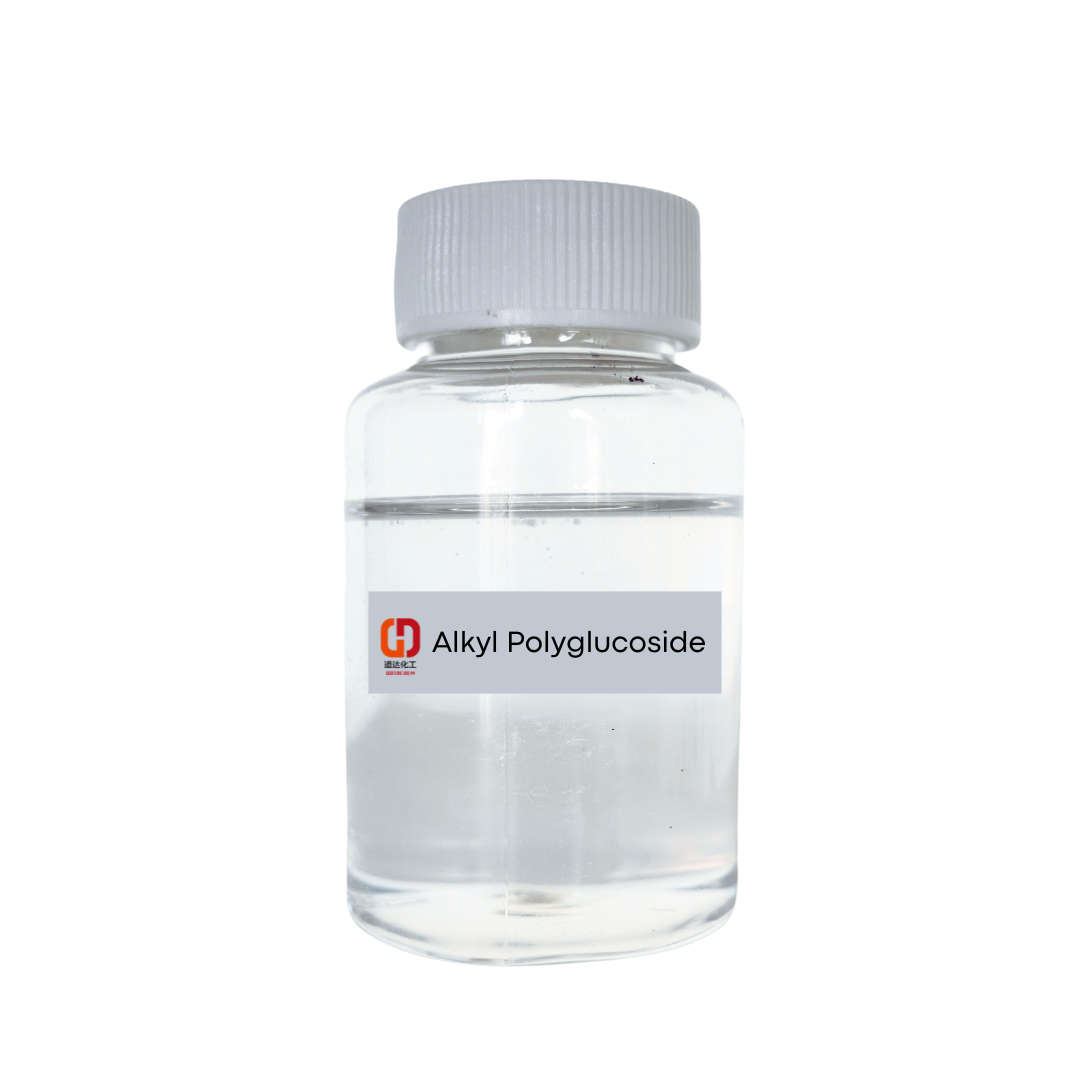
Sourcing alkyl polyglucosides from a single distant plant forces every order through long-haul ocean freight and congested entry ports. Shifting to regional hubs in the Midwest, Benelux, and coastal China removes several weeks of transit and puts buffer stock within a day or two of major formulation sites. That simple change often matters more than negotiating a lower unit price.
A regional hub works best when it holds both drummed and bulk quantities, allowing a customer to pull a partial truckload without waiting for a vessel schedule. In practice, this means a detergent maker in Ohio can restock in 48 hours instead of 18 days, while a personal care plant near Rotterdam avoids the unpredictability of Mediterranean port strikes. The hub is not just a warehouse; it is a deliberate decoupling point between production lead time and local demand.
Beyond speed, regional hubs lower the amount of safety stock each buyer has to carry. With shorter, more predictable replenishment cycles, formulators can reduce on-site tanks and still avoid line stoppages. Freight becomes a trucking negotiation rather than an ocean logistics gamble, and the total landed cost often improves once demurrage, detention, and emergency air freight are removed from the picture.
Auditing a Distributor's Storage and Handling Standards Before You Commit
Walk the warehouse floor before you sign anything. Look at how pallets are stacked near walls, whether temperature logs are actually filled in by hand or just printed from a dashboard, and how returns are segregated from fresh stock. A distributor can have a spotless policy binder and still let a leaking container sit beside dry goods for three days. Ask to see the quarantine area and the pest control reports—not just the most recent one, but the trend over the last six months. If staff hesitate or need a manager's approval to open a cooler door, note that too.
Handling standards matter just as much as storage conditions. Watch a receiving team unload one of your product categories, or at least a similar item. Do they check case temperatures on arrival? Are fragile cartons double-stacked past the crush point? Does the forklift path cross areas where cleaning chemicals are stored? These small failures rarely show up in audits, but they cause most of the damage you'll deal with later. Before committing, request a trial shipment or visit unannounced during a busy afternoon—if the facility still looks organized under real pressure, that's a stronger signal than any certificate.
Decoding Certifications That Matter for Bio-Based Surfactant Buyers
Bio-based surfactants carry a range of labels, but not all certifications hold equal weight for practical sourcing. Buyers often encounter a mix of regional eco-labels, industry-specific standards, and generic green claims that can obscure actual performance or sustainability metrics. The key is distinguishing between certifications that verify renewable carbon content, those that focus on biodegradability or aquatic toxicity, and others that audit supply chain transparency. Many purchasing teams find that a certification's value depends on the specific application—a surfactant for home care may require different documentation than one used in industrial cleaning or personal care.
Rather than chasing every badge, seasoned buyers tend to build a shortlist of certifications that align with their company's environmental reporting requirements and end-market expectations. For instance, the USDA BioPreferred program establishes minimum biobased content, while OECD 301 testing confirms ready biodegradability under defined conditions. The EU Ecolabel and Nordic Swan incorporate broader lifecycle criteria, including restrictions on hazardous impurities. Some buyers also look for RSPO or Mass Balance certifications when palm-derived feedstocks are involved, as those address upstream land use concerns that purely technical standards miss.
A practical approach involves requesting the full certification scope and audit trail from suppliers, not just the logo. Differences in test methods, feedstock accounting, and renewal frequency can lead to significant variations between two products with seemingly identical claims. Buyers who map certifications to their own risk priorities—whether that's regulatory compliance, brand reputation, or supply security—tend to avoid overpaying for redundant credentials while still meeting their stated bio-based commitments.
Negotiating Flexible Minimums to Match Fluctuating Formulation Demand
Manufacturers often treat minimum order quantities as fixed gates, but the reality of formulation demand rarely moves in neat, predictable batches. A product might spike after a seasonal promotion or stall when a raw material becomes scarce. Instead of locking partners into rigid volume commitments, procurement teams can negotiate tiered minimums that adjust based on rolling forecasts, shared inventory visibility, or trigger points like a 15% demand swing. This shifts the conversation from "how much will you buy" to "how quickly can we respond together," which builds far more operational trust than a one-size-fits-all number.
Flexible minimums work best when both sides agree on what "fluctuation" actually means. For example, a flavor house might accept a lower baseline order if the buyer commits to a monthly forecast update and covers the carrying cost for any idle stock above a safety threshold. Another approach is to tie the minimum to the total value across a product family rather than a single SKU, allowing slow-moving formulations to borrow volume from faster ones. This prevents the classic stalemate where a buyer needs small trial batches but the supplier can't justify a production run.
The real skill lies in making flexibility feel like a joint problem-solving exercise, not a concession. Rather than asking for "lower minimums" outright, frame it around total cost of ownership: calculate how much demand volatility costs both sides in rush orders, expedited freight, and shelf-life write-offs. Then propose a sliding scale where volume commitments rise only when the demand signal crosses a mutually agreed confidence band. Suppliers who see that you're managing risk together—not just pushing inventory back onto them—are far more likely to rework their standard terms.
Building a Backup Distributor Network Without Cannibalizing Volume Discounts
Establishing a secondary distributor tier often triggers fears of volume fragmentation, but the real risk lies in how you structure the pricing ladder. Instead of granting backup partners the same tiered discounts as primary distributors, consider a separate incentive model based on contingency activation. For instance, backup distributors only unlock deeper discounts when they actually fulfill orders during a primary distributor's supply disruption. This keeps your main volume commitments intact while ensuring redundancy isn't just a paper agreement.
Another practical approach is to segment territories or customer accounts rather than splitting identical product lines. Give backup distributors access to overflow demand or specific geographic pockets that primary distributors rarely service. By clearly defining these boundaries in the contract, you avoid direct price competition and preserve the volume thresholds that primary partners rely on to maintain their discounts.
Finally, use minimum purchase guarantees as a lever. Require backup distributors to commit to a baseline quarterly volume that doesn't overlap with primary distributor territories. In return, offer them a modest discount that sits below the primary tier but above standard wholesale. This way, they have skin in the game without undercutting your main network, and your volume discount structure remains intact.
FAQ
Look beyond price per kilogram. Ask for batch consistency data and how they handle viscosity drift—APG can vary between production runs, and a distributor that only moves containers won't know the difference.
Yes. European distributors often have closer ties to primary producers and offer more technical documentation, while North American options may focus on faster local warehousing but thinner spec sheets. Asian distributors can be cost-competitive, but you'll want a clear audit trail for feedstock origin.
Request their last three years of shipped volumes for the exact INCI or trade name you use. A real distributor will share redacted logistics data; a middleman will hesitate.
Start with a small trial drum and measure pH, cloud point, and foam stability yourself. Compare against your current supplier's sample side by side—this catches most re-labeling or blending shortcuts.
Some do, but don't assume it's free. Ask if they have a chemist on staff who can adjust your surfactant ratio or preservative compatibility. If they sell only pallets and no advice, they're a warehouse, not a partner.
It depends on your supply chain fragility. If your lead time is under four weeks and APG is a minor input, one vetted partner is fine. If APG is core to a cleaning or personal care line, keep two approved distributors in different regions to avoid single-point failure.
Watch for freight surcharges that appear after the quote, minimum storage charges for partial pallets, and 'documentation fees' for basic COA or SDS files. Reputable distributors include these or state them upfront.
Often yes, if they focus on green or bio-based surfactants. They may offer flexible drum sizes, faster answers on regulatory questions, and less rigid contracts. Large distributors win on price for full truckloads but rarely customize service.
Conclusion
Choosing an alkyl polyglucoside distributor goes well beyond comparing price sheets. You need a partner who will be upfront about batch-to-batch consistency, not just send a spec sheet and hope you don't notice drift. Ask how they track surfactant color, pH, and residual alcohol levels across production runs, and whether they'll share real data instead of averages. At the same time, think about where their warehouses actually sit. A hub in the Midwest or near a major port can cut days off transit and keep your formulation schedule intact, especially when winter weather or customs bottlenecks hit.
Before signing anything, walk their facility or request a detailed audit of storage conditions. APG is hygroscopic and prone to viscosity shifts if tanks aren't temperature-controlled or if drums sit too long. Certifications matter less as wall decorations and more as proof of bio-based content and quality systems—look for things like USDA BioPreferred or ISO 9001, but ask what they actually test. Finally, don't lock yourself into rigid minimum order quantities. Work out a tiered pricing model that gives you room when a customer's demand dips, and quietly line up a secondary distributor in another region. You can split volumes without losing your primary discount if you negotiate annual rebates instead of per-order discounts. That way you keep supply flowing even if one partner stumbles.
Contact Us
Contact Person: Levi
Email: [email protected]
Tel/WhatsApp: +86 532 84688720
Website: https://www.polykem-intl.com