

A Knife Valve Company's Comprehensive Guide to Optimal Performance and Best Practices for Industrial Applications
2025-12-27
Welcome to the definitive guide for knife valve excellence in industrial applications. In an industry where efficiency, reliability, and safety are paramount, choosing the right components can make all the difference. At DRIFCO, we've dedicated years to perfecting knife valve technology, helping countless facilities optimize their operations. This comprehensive guide dives deep into achieving optimal performance and best practices, offering insights that go beyond the basics. Whether you're a seasoned engineer or new to the field, you'll discover actionable tips and innovative strategies to enhance your systems. Let's explore how the right approach can transform your industrial processes and drive lasting success.
Choosing the Right Knife Valve for Your Industrial System
When it comes to industrial systems, the knife valve often serves as a critical component, handling everything from slurries and abrasive media to viscous fluids with ease. Selecting the perfect knife valve isn't just about picking a valve; it's about understanding the unique demands of your operation. Factors like material compatibility, pressure ratings, and the nature of the media being transported can make or break your system's efficiency. For instance, in wastewater treatment plants, a stainless steel knife valve might be ideal due to its corrosion resistance, while in mining applications, a more rugged design with hardened blades could be necessary to withstand abrasive particles.
Another key consideration is the actuation method, which can significantly impact operational costs and reliability. Manual knife valves are cost-effective for infrequent use, but automated versions, such as pneumatic or electric actuators, offer precise control and reduce labor in high-cycle environments. It's also worth looking into specialized features like full-port designs that minimize pressure drop or bi-directional flow capabilities that enhance flexibility. By tailoring your choice to these specifics, you can avoid common pitfalls like clogging or premature wear, ensuring smoother, longer-lasting performance.
Ultimately, investing time in proper valve selection pays off by preventing downtime and maintenance headaches. Don't overlook the importance of consulting with engineers or suppliers who have hands-on experience in your industry; their insights can help pinpoint the right valve for challenging applications. Whether you're upgrading an existing system or designing a new one, a well-chosen knife valve not only boosts reliability but also contributes to overall operational safety and cost-efficiency, making it a smart, foundational decision for any industrial setup.
Installation Tips to Maximize Valve Efficiency and Safety
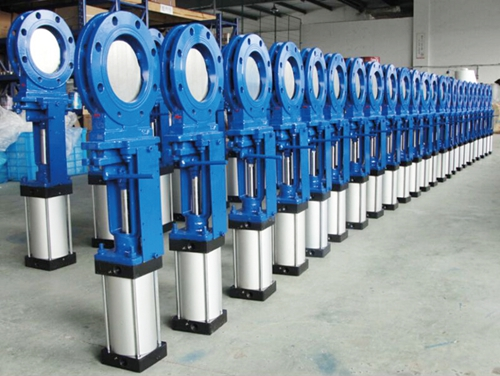
When it comes to installing valves in industrial systems, a few key practices can make all the difference in how well they operate over time. Start by thoroughly reading the manufacturer's instructions before handling any components. This ensures you're aware of specific torque requirements, temperature limits, and material compatibilities that might not be obvious at a glance. For instance, overtightening bolts can distort the valve body, leading to leaks or reduced flow efficiency, while under-tightening might cause it to come loose under pressure, creating a safety hazard. Always use the recommended tools and avoid shortcuts like substituting materials or skipping calibration steps – these small oversights often cascade into larger issues down the line.
Another critical aspect is ensuring the valve is properly aligned within the pipeline during installation. Misalignment can cause undue stress on flanges and gaskets, which not only compromises sealing integrity but also increases wear on moving parts like stems and seats. Check for any obstructions or debris in the line before connecting the valve, as foreign particles can jam mechanisms or score internal surfaces, drastically cutting efficiency. In high-pressure environments, consider pressure testing the installation after assembly to verify that it holds up under expected loads. This step is especially important for safety-critical applications, such as in chemical processing or oil and gas systems, where valve failure could lead to hazardous leaks or shutdowns.
Lastly, don't overlook the environmental factors during installation. Valves exposed to extreme temperatures or corrosive substances might need additional protection, such as insulation or special coatings, to maintain performance and safety. For example, in outdoor settings, shielding valves from direct weather exposure can prevent premature degradation. Regular training for installation crews on the latest best practices and innovations in valve technology also helps keep processes up-to-date and minimizes risks. By focusing on these tailored approaches, you can extend the lifespan of your valves while ensuring they operate safely and efficiently in whatever system they're integrated into.
Routine Maintenance Practices for Extended Valve Life
Regular upkeep is essential for maximizing valve lifespan. By sticking to a consistent maintenance schedule, you can catch minor issues before they escalate into major failures, saving time and costs. Simple tasks like cleaning valves to remove debris and checking for leaks should be non-negotiable; they prevent corrosion and ensure smooth operation. It's surprising how often a quick visual inspection or a basic lubrication can extend service life by years, making these practices a cornerstone of reliable system performance.
Beyond basic cleaning, consider implementing detailed record-keeping for each valve. Documenting maintenance dates, any adjustments made, and performance metrics helps track wear patterns and predict when replacements might be needed. This proactive approach allows you to plan downtime efficiently and avoid unexpected shutdowns, keeping your operations running smoothly. Tailoring maintenance routines based on valve type and usage conditions can further enhance longevity, offering a customized strategy that adapts to your specific setup.
In practice, combining routine checks with periodic professional inspections can yield the best results. Engaging experts for thorough assessments ensures that internal components like seals and springs are in top shape, addressing hidden problems early. Emphasizing staff training on proper handling techniques also plays a key role, as human error often contributes to premature wear. By fostering a culture of diligence and attention to detail, you'll not only extend valve life but also boost overall system reliability and safety in the long run.
Troubleshooting Common Issues in Knife Valve Operations
When you're dealing with knife valves, especially in industrial settings, it's common to encounter operational hitches that can slow down production or lead to safety concerns. One frequent issue is leakage around the valve seat, which often stems from wear and tear or improper installation. Instead of just replacing parts immediately, check if the valve is correctly aligned and if debris has accumulated—sometimes a simple cleaning or adjustment can resolve leaks without costly downtime. Another overlooked aspect is the actuator performance; if the valve isn't opening or closing smoothly, it might be due to inadequate lubrication or pressure imbalances, so regular maintenance checks here can prevent bigger failures down the line.
Beyond leaks, valve sticking or jamming is a headache that many operators face, particularly in applications with high solids content. This isn't always about the valve itself—it could be related to upstream processes like sediment buildup in pipelines. To tackle this, consider implementing a flushing routine or using compatible media to reduce clogging. Also, don't ignore the blade condition; if it's chipped or corroded, it won't seal properly, leading to poor flow control. In my experience, proactive blade inspections every few months can catch minor damages early, saving you from sudden shutdowns and ensuring consistent operation.
Lastly, issues with valve noise or vibration often signal deeper mechanical problems, such as loose components or cavitation in the system. While it might be tempting to dismiss these as minor, they can escalate into serious damage if left unchecked. Focus on tightening bolts and checking for wear on seals and gaskets. For vibration, balancing the flow rate and ensuring proper valve sizing can make a big difference. Remember, troubleshooting isn't just about fixing what's broken—it's about understanding the root cause to make your knife valves run smoother and longer, tailored to your specific operational needs.
Enhancing Performance Through Advanced Control Techniques
Implementing modern control methodologies can significantly boost operational efficiency and stability in various systems. By integrating sophisticated techniques like adaptive or model predictive control, organizations can better manage dynamic environments, anticipate potential disruptions, and fine-tune processes in real-time. This proactive approach minimizes waste and maximizes output, leading to measurable improvements in both performance and reliability.
One key benefit lies in the seamless integration of sensor data and computational algorithms, enabling systems to adjust automatically to changing conditions. This not only reduces human oversight but also enhances consistency and reduces errors. Industries ranging from manufacturing to robotics have adopted these advanced controls to achieve levels of precision and speed previously unattainable with conventional methods.
Moreover, advanced control techniques foster innovation by allowing for more complex and responsive systems. They empower teams to experiment with new configurations and strategies, unlocking untapped potential for growth. As technology evolves, these methods continue to set new benchmarks for what is achievable in performance optimization.
Industry-Specific Applications and Customization Options
When exploring how this solution fits into various sectors, it's crucial to recognize that each industry comes with its own unique challenges and workflows. For example, in healthcare, professionals often need tools that prioritize patient data security and integrate seamlessly with electronic health records, while manufacturing might focus more on real-time production monitoring and supply chain efficiency. By tailoring features to address these specific needs, the solution becomes more than just a generic tool—it transforms into a vital component of daily operations, helping teams work smarter and faster.
Customization plays a key role here, allowing businesses to tweak functionalities without requiring extensive technical overhaul. Imagine a retail company that can adjust inventory alerts based on seasonal trends or a finance firm that sets up automated compliance checks tailored to regional regulations. These options empower users to build a system that feels like it was designed just for them, boosting adoption rates and overall satisfaction by ensuring the tool adapts to their environment, not the other way around.
What sets this apart is the flexibility to scale and evolve as industries change. Instead of a one-size-fits-all approach, the customization framework supports ongoing adjustments, whether it's adding new modules for emerging markets or fine-tuning existing ones based on user feedback. This dynamic capability means businesses can stay ahead of the curve, leveraging tailored applications that grow with their needs, ultimately driving better outcomes and fostering a more responsive operational strategy.
FAQ
Selecting a knife gate valve for abrasive slurry involves evaluating material compatibility, such as using hardened stainless steel or abrasion-resistant alloys for the blade and seat, ensuring tight shutoff with elastomer or metal-seated designs, and considering valve size and actuation type to handle high solids content without clogging.
Regular maintenance includes inspecting and cleaning the valve body to prevent buildup, lubricating moving parts if applicable, checking seals and gaskets for wear, and performing pressure tests. Using corrosion-resistant coatings and scheduling routine downtime for overhauls can extend valve life in harsh conditions.
Knife gate valves offer a straight-through flow path that minimizes pressure drop and prevents clogging from debris, making them ideal for wastewater. Their simple design allows for easy maintenance, and they provide reliable shutoff in high-solid applications, outperforming ball or butterfly valves in such settings.
For high-pressure use, look for features like reinforced body construction, robust stem and gate materials (e.g., carbon steel or duplex stainless steel), pressure-rated seals, and anti-blowout stem designs. Ensuring compliance with industry standards like API or ASME is crucial for safety and performance.
In mining, knife gate valves enhance efficiency by allowing quick and full opening/closing to control slurry flow, reducing downtime. Their durability against abrasion and corrosion minimizes replacements, and their minimal maintenance needs keep processing lines running smoothly with fewer interruptions.
Best practices include aligning the valve properly with piping to avoid stress, using correct gaskets and bolts tightened to manufacturer specifications, ensuring adequate support for heavy valves, and conducting a leak test post-installation. Proper orientation, such as installing with the gate vertical, can also improve sealing.
Yes, knife gate valves can be automated with electric, pneumatic, or hydraulic actuators. Automation benefits include remote operation for hazardous areas, precise control over flow rates, integration with process control systems for efficiency, and reduced manual labor, leading to faster response times and improved safety.
Consider material compatibility to prevent chemical reactions, use leak-proof designs with appropriate seals (e.g., PTFE) to avoid spills, implement fail-safe mechanisms in actuators for emergency shutdowns, and follow regulatory guidelines for handling hazardous fluids to ensure worker safety and environmental protection.
Conclusion
This guide from a knife valve company provides a systematic approach to achieving optimal performance in industrial applications. It begins by emphasizing the critical importance of selecting the right knife valve for your specific system, considering factors like material compatibility, pressure ratings, and flow characteristics to ensure a perfect match. Proper installation is highlighted as the next crucial step, with detailed tips focusing on alignment, sealing, and safety protocols to maximize efficiency from the outset. The guide then transitions into long-term reliability, outlining routine maintenance practices such as regular inspections, lubrication schedules, and component checks to extend valve life and prevent unexpected failures.
Beyond basic operation, the guide delves into advanced strategies for enhancing performance. It covers troubleshooting common issues like leaks, sticking, or wear, offering practical solutions to minimize downtime. Additionally, it explores advanced control techniques, such as automation integration and precision modulation, to optimize process control and efficiency. The final sections address customization and industry-specific applications, providing insights into tailoring knife valves for unique challenges in sectors like mining, wastewater treatment, or chemical processing. By integrating these best practices, companies can not only maintain robust valve operations but also drive innovation and adaptability in demanding industrial environments.
Contact Us
Contact Person: George
Email: [email protected]
Tel/WhatsApp: 13863633883
Website: https://www.es-fire.com